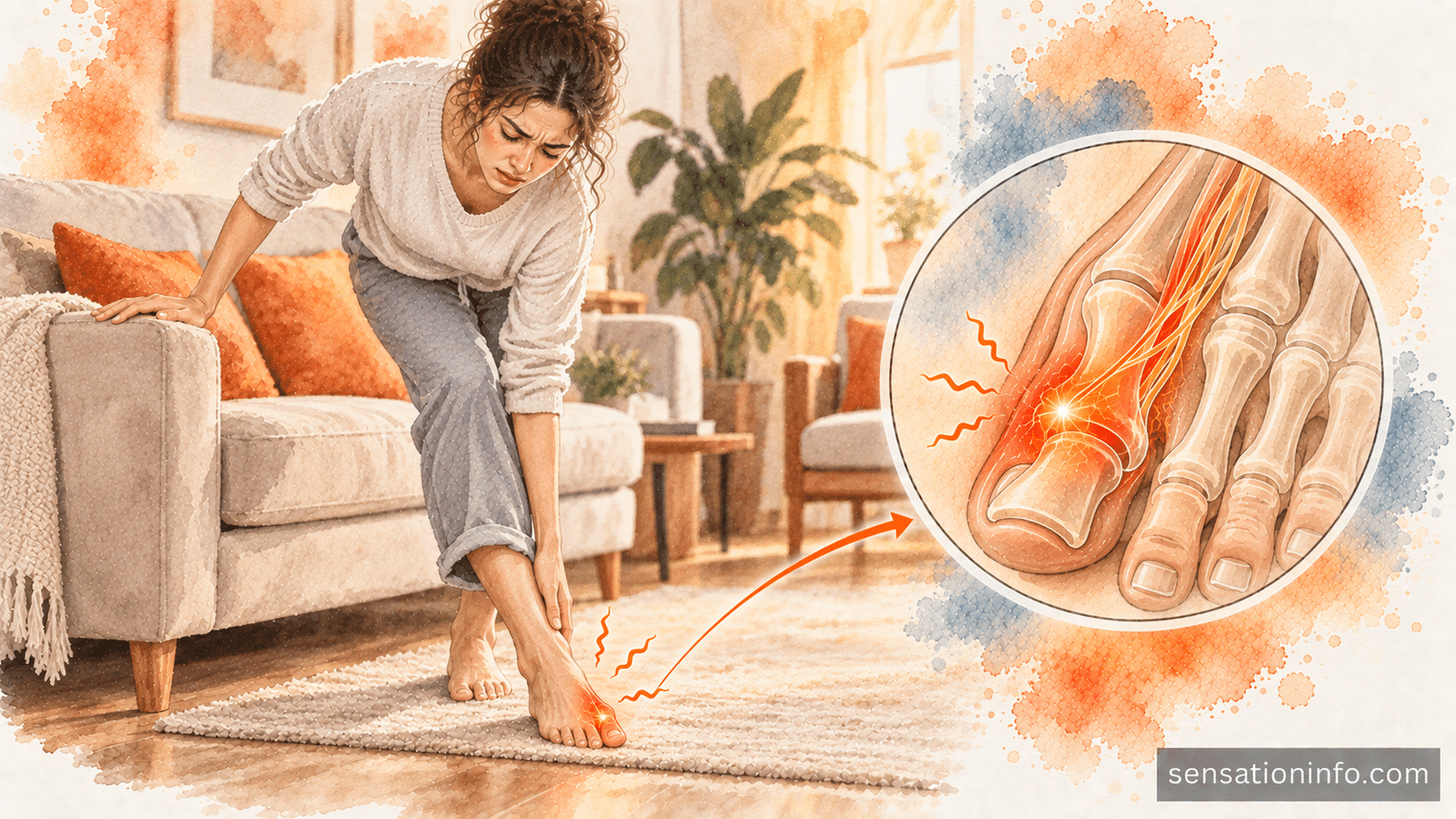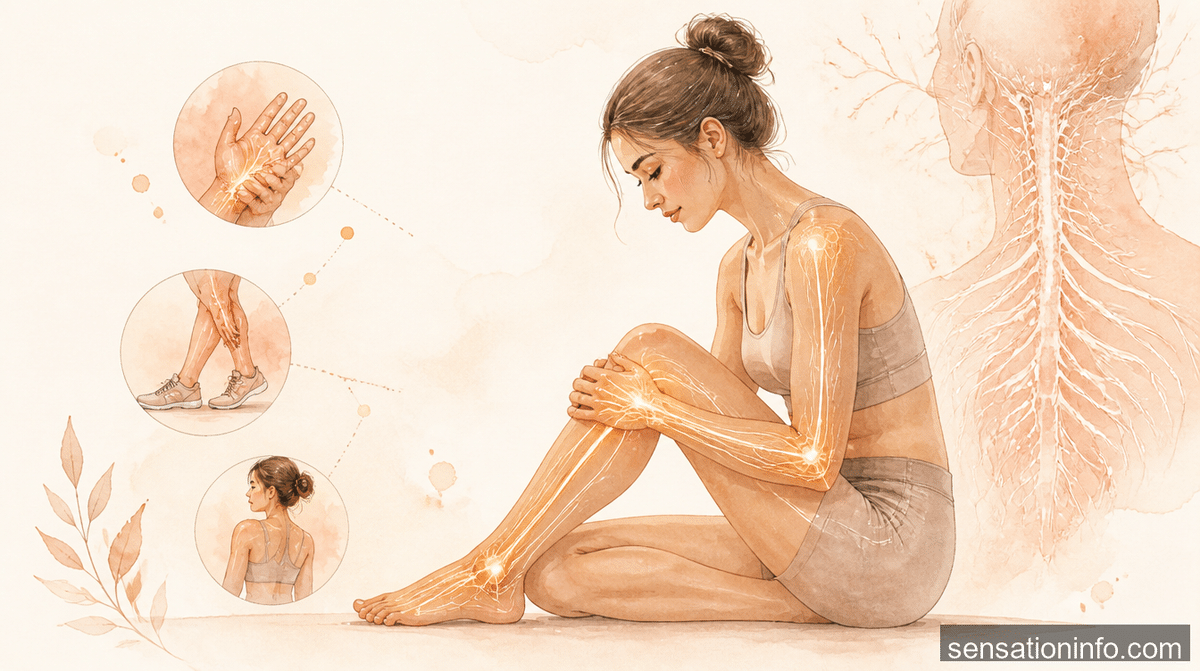

As someone who’s passionate about fitness, I’ve experienced my fair share of post-workout sensations – the rush of endorphins, the soreness in my muscles, and yes, the occasional tingling in my limbs. At first, I thought it was just my body’s way of telling me I’d pushed myself too hard, but as it kept happening, I began to wonder: is tingling after exercise normal, or is it something I should be concerned about? In this article, I’ll share my insights as a medical professional, and we’ll explore the possible causes of exercise tingling, what’s normal, and when you should seek medical attention.
I remember a patient who came to me with complaints of tingling in her legs after running. She was a seasoned athlete, but this was a new sensation for her. After a thorough examination, we determined that her tingling was caused by a combination of dehydration and poor cool-down techniques. It was a relief for her to know that it wasn’t anything more serious, but it also highlighted the importance of listening to our bodies and taking care of ourselves, even after a workout.
As I delved into the topic of exercise tingling, I realized that it’s more common than I thought. Many of my patients have experienced it at some point, and it’s not just limited to athletes. Anyone who engages in physical activity can experience tingling, whether it’s after a brisk walk or a high-intensity workout. So, what causes this tingling sensation, and when should you be concerned?
Normal Causes of Exercise Tingling
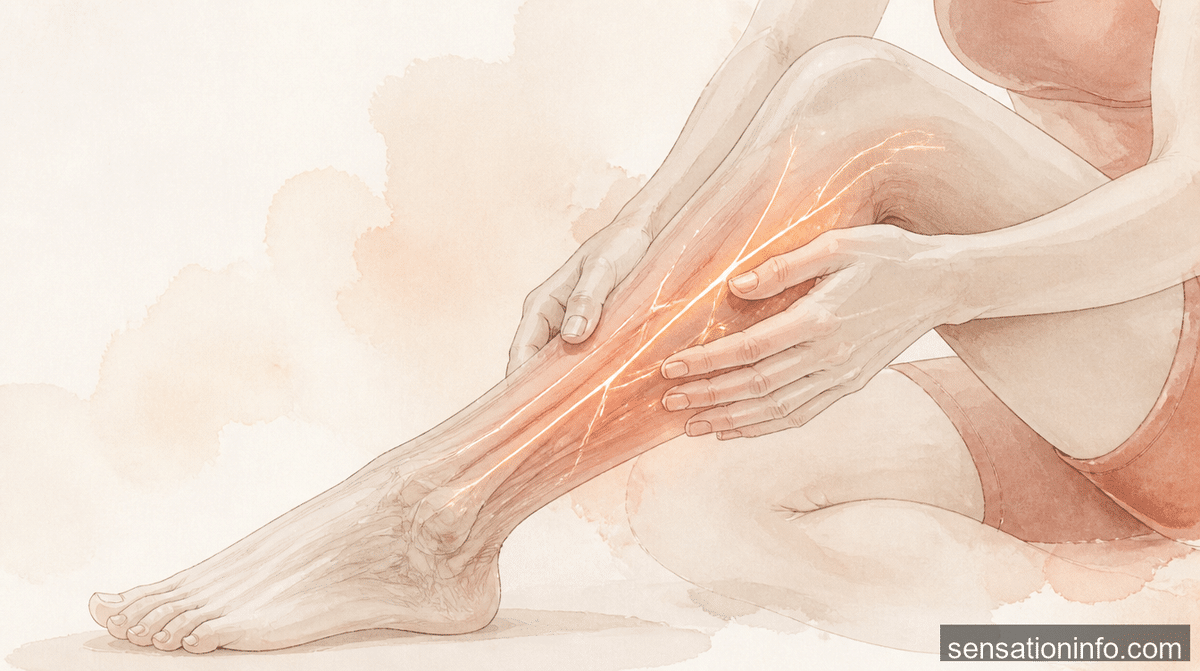
When we exercise, our bodies undergo a series of physiological changes that can affect our nervous system. One of the most common causes of tingling after exercise is changes in blood flow. When we’re physically active, our blood vessels dilate to deliver more oxygen to our muscles. This increased blood flow can cause our nerves to become stimulated, leading to a tingling sensation. This is usually temporary and harmless, and it should resolve on its own once our blood flow returns to normal.
Another common cause of exercise tingling is hyperventilation. When we exercise, we tend to breathe more rapidly, which can lead to an imbalance of oxygen and carbon dioxide in our bloodstream. This imbalance can cause our nerves to become irritated, resulting in a tingling sensation. Hyperventilation is usually more common in high-intensity workouts, such as spinning or HIIT (High-Intensity Interval Training).

Concerning Causes of Exercise Tingling
While tingling after exercise is often normal, there are some cases where it can be a cause for concern. One such condition is compartment syndrome, a serious medical condition that occurs when pressure builds up in the muscles, causing nerve and blood vessel damage. This can lead to tingling, numbness, and even paralysis if left untreated. Compartment syndrome is more common in athletes who engage in high-impact activities, such as running or jumping.
Another concerning cause of exercise tingling is nerve damage. This can occur when we put excessive pressure on our nerves, either through repetitive motion or poor posture. Nerve damage can cause tingling, numbness, and even weakness in our muscles. In severe cases, it can lead to chronic pain and disability.
Cool Down Tips to Reduce Exercise Tingling
While some cases of exercise tingling may be unavoidable, there are some steps we can take to reduce our risk. One of the most effective ways to prevent tingling is to cool down properly after exercise. This involves gradually reducing our intensity and stretching our muscles to help restore blood flow and reduce muscle spasms.
I always recommend that my patients incorporate static stretches into their cool-down routine, focusing on the major muscle groups such as the hamstrings, quadriceps, and calf muscles. It’s also essential to stay hydrated and fuel our bodies with a balanced diet that includes plenty of fruits, vegetables, and whole grains.

Frequently Asked Questions
The most common areas where people experience tingling after exercise are the legs, arms, and hands. This is usually due to changes in blood flow and nerve stimulation. However, it’s not uncommon for people to experience tingling in other areas, such as the feet or face.
Yes, dehydration can cause tingling after exercise. When we’re dehydrated, our blood volume decreases, which can lead to a reduction in blood flow to our muscles and nerves. This can cause tingling, numbness, and even cramping. It’s essential to stay hydrated before, during, and after exercise to reduce our risk of dehydration and exercise-related complications.
If you experience any of the following symptoms, you should seek medical attention immediately: severe tingling or numbness, weakness or paralysis, difficulty breathing, or chest pain. These symptoms can indicate a serious medical condition, such as compartment syndrome or nerve damage.
While some supplements and medications may help reduce muscle cramping and spasms, there is no guaranteed way to prevent exercise tingling. The best way to reduce our risk is to stay hydrated, cool down properly, and incorporate stretching and foam rolling into our routine.
Exercise tingling can last anywhere from a few minutes to several hours, depending on the underlying cause. In most cases, it’s temporary and resolves on its own once our blood flow returns to normal. However, if you experience persistent or severe tingling, you should seek medical attention to rule out any underlying conditions.
Final Thoughts
As a medical professional, I’ve seen many cases of exercise tingling, and while it’s often normal, it’s essential to listen to our bodies and take care of ourselves. By understanding the causes of exercise tingling and taking steps to reduce our risk, we can enjoy the many benefits of physical activity while minimizing our risk of complications.
If you’re experiencing persistent or severe tingling after exercise, don’t hesitate to seek medical attention. It’s always better to err on the side of caution when it comes to our health, and a thorough evaluation can help determine the underlying cause of your symptoms. Remember, exercise should be a positive and enjoyable experience, and by taking care of our bodies, we can reduce our risk of exercise-related complications and achieve our fitness goals.
In conclusion, exercise tingling is a common phenomenon that can be caused by a variety of factors, from changes in blood flow to nerve damage. By staying hydrated, cooling down properly, and listening to our bodies, we can reduce our risk of exercise tingling and enjoy the many benefits of physical activity. So, the next time you experience tingling after exercise, remember that it’s not always a cause for concern, but it’s always a good idea to seek medical attention if you’re unsure.