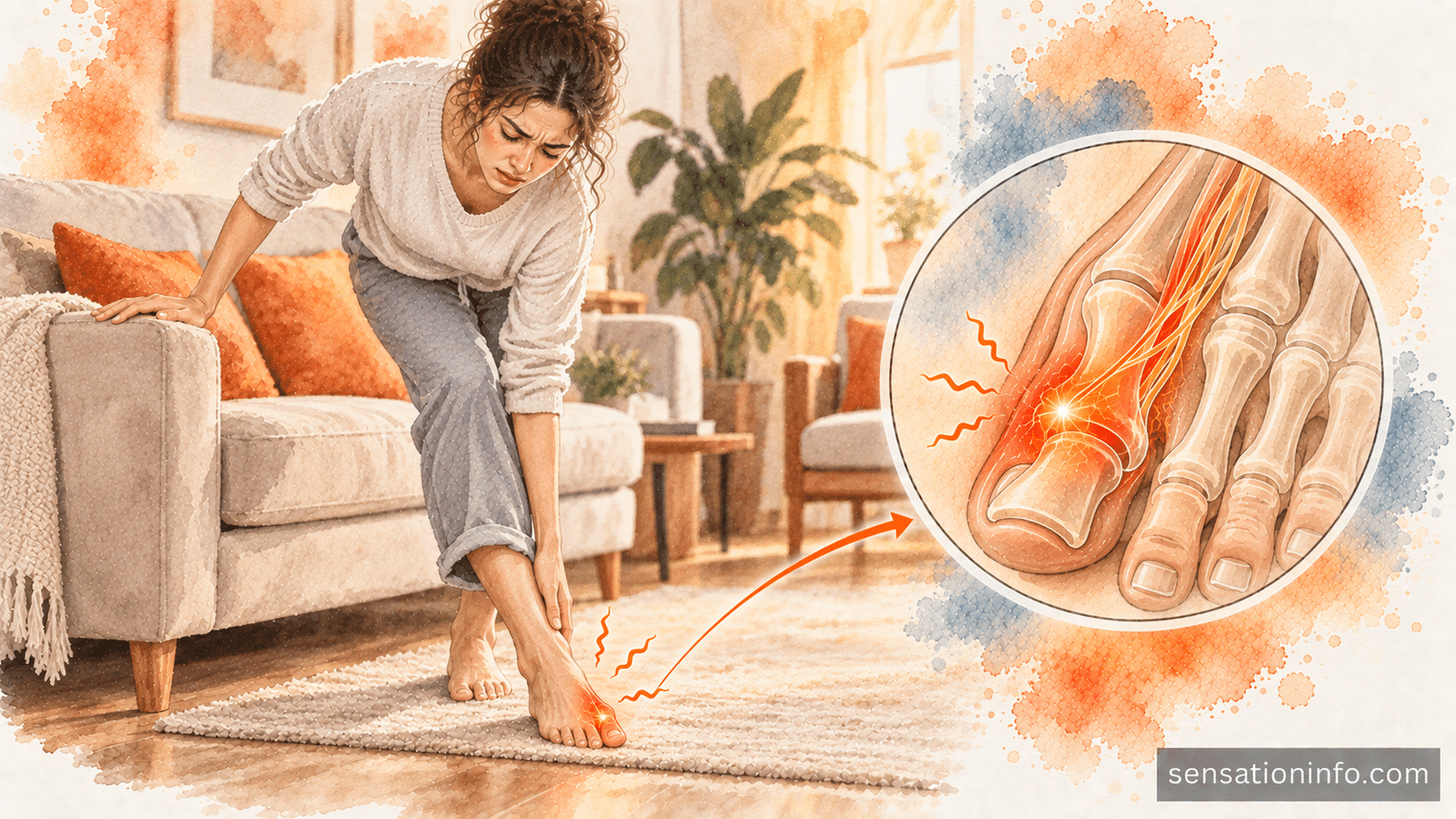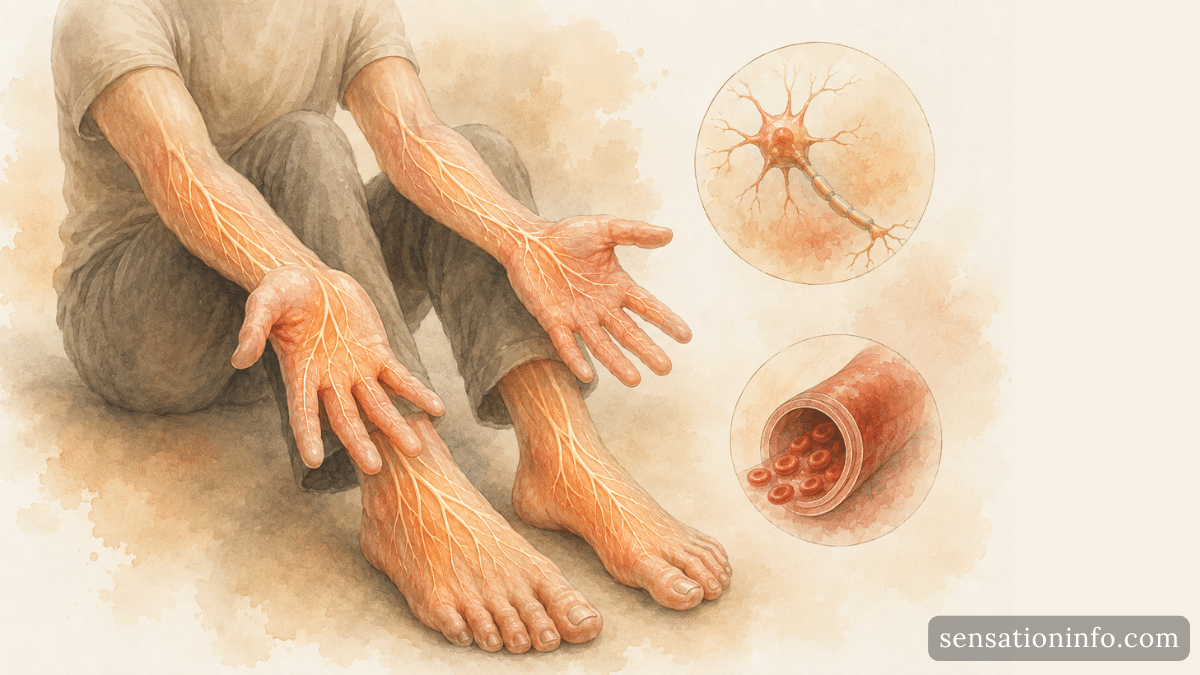

Numbness and tingling in the hands and feet at the same time may result from nerve damage, diabetes, vitamin deficiencies, medications, circulation problems, or temporary pressure on a nerve. Rapid breathing can also cause tingling. However, sudden symptoms with weakness, speech or vision changes, severe imbalance, or bladder or bowel problems require emergency care.
Why do your hands and feet go numb together?
Numbness means reduced sensation. Tingling may feel like pins and needles, prickling, buzzing, burning, or electric shocks. When both the hands and feet are affected, the pattern can help identify whether several nerves, the spinal cord, the brain, or circulation may be involved.
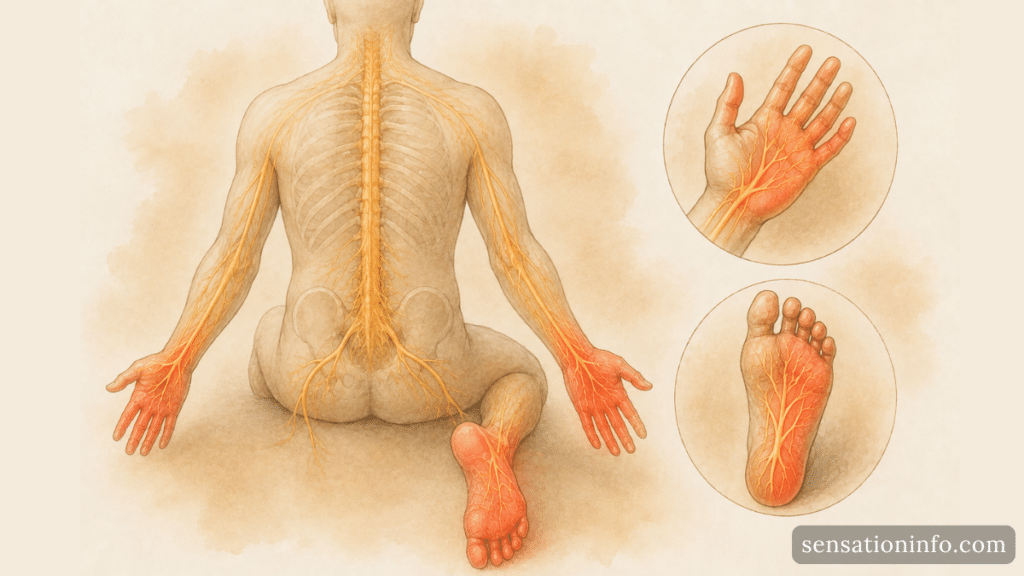
Symptoms that gradually begin in the toes and later affect the fingers may follow a “stocking and glove” pattern. This commonly occurs when multiple peripheral nerves are affected. Sudden symptoms, one-sided numbness, or symptoms after an injury may suggest a different and potentially urgent problem.
Temporary tingling after sitting on a limb, leaning on an elbow, or sleeping awkwardly usually improves when pressure is removed. For symptoms that remain primarily isolated to the upper limbs, while persistent, spreading, recurrent, or activity-limiting numbness should be medically evaluated.
Which symptoms require immediate medical care?
Call 112 in India or 911 internationally, or go to an emergency department, if numbness or tingling occurs with:
- Sudden weakness or inability to move an arm or leg.
- Facial drooping, slurred speech, confusion, or trouble understanding speech.
- New vision changes, severe dizziness, or difficulty walking.
- Loss of bladder or bowel control or numbness around the groin.
- Symptoms after a head, neck, or back injury.
- Loss of consciousness, seizure, severe headache, or rapidly worsening symptoms.
- Severe breathing difficulty, chest pressure, or fainting.
Sudden numbness or weakness on one side may indicate a stroke. Tingling that begins in the feet and rapidly moves upward, especially with weakness or breathing difficulty, may indicate a serious nerve disorder. Do not wait for symptoms to worsen or drive yourself if an emergency is possible.
What does the distribution tell you?
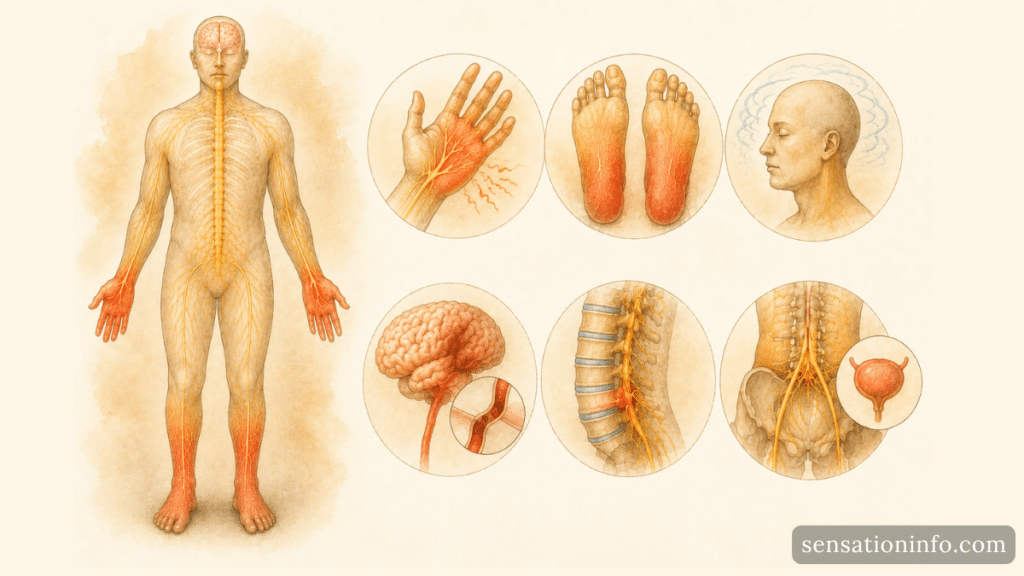
The location and timing of symptoms can help distinguish temporary nerve pressure from a condition affecting multiple nerves.
| Symptom pattern | What it may suggest | Why it matters |
| One finger, hand, toe, or foot after pressure | Temporary nerve compression | Often improves after changing position |
| Both feet first, followed by the hands | Peripheral neuropathy | May require testing for diabetes or metabolic causes |
| Both hands and feet with dizziness when standing | Autonomic nerve involvement or blood pressure changes | Blood pressure and nerve function may need evaluation |
| Sudden one-sided symptoms with weakness or speech trouble | Possible stroke or TIA | Call 112 in India or 911 internationally |
| Symptoms after injury with weakness or loss of movement | Nerve or spinal injury | Requires urgent medical attention |
| Groin numbness with bladder or bowel changes | Possible cauda equina syndrome | Go to an emergency department immediately |
Patterns can overlap. A clinician may assess the nervous system, circulation, blood sugar, vitamin levels, and spine before identifying the cause.
Could diabetes cause numbness and tingling in the hands and feet?
Yes. Persistently high blood sugar can damage peripheral nerves, causing numbness, tingling, burning, pain, or reduced temperature sensation. Diabetic neuropathy often begins in the feet and may later affect the legs, hands, and arms. If diabetes may be contributing, focusing on diabetic tingling management through consistent glucose control becomes essential for protecting nerve function. Some people develop nerve symptoms before diabetes is diagnosed. Increased thirst, frequent urination, unexplained weight changes, fatigue, or a family history of diabetes may make glucose testing appropriate.
If discomfort is concentrated specifically in the lower extremities, consulting the foot numbness guide offers deeper insight into isolated causes. If you have diabetes, inspect your feet regularly. Reduced sensation can make it difficult to notice blisters, cuts, burns, or infections. Follow your diabetes treatment plan and report new numbness, burning, weakness, or balance problems.
What other conditions affect both hands and feet?
Vitamin B12 deficiency
Vitamin B12 supports healthy nerve tissue. A deficiency may cause numbness, tingling, weakness, balance problems, fatigue, or cognitive changes. Risk may increase with restricted diets, stomach or intestinal disease, certain surgeries, or medications that reduce absorption.
Understanding the connection between B12 deficiency and nerve symptoms highlights why proper cellular nourishment is vital for healthy nerve tissue. Do not take high-dose supplements without medical advice.
Other vitamin or mineral problems
Low levels of certain B vitamins, copper, vitamin E, calcium, potassium, or sodium can affect nerve function. Excess vitamin B6 can also cause neuropathy. Supplements are not always harmless, and taking too much may worsen symptoms.
A clinician can decide which tests are appropriate. Symptoms alone cannot confirm a vitamin deficiency.
Peripheral neuropathy
Peripheral neuropathy involves damage to nerves outside the brain and spinal cord. It may cause numbness, tingling, burning pain, sensitivity to touch, weakness, balance problems, or reduced ability to feel heat and cold.
Diabetes is a common cause, but infections, autoimmune disease, inherited disorders, kidney or thyroid disease, alcohol, toxins, injuries, nerve compression, and some medications may also contribute. Examining a broader neuropathy overview helps illustrate the wide range of systemic conditions and mechanical factors that can impair peripheral nerve pathways.
Medication or toxin exposure
Chemotherapy, some prescription medicines, alcohol, and toxic substances can damage nerves. A recent medication, dose change, workplace exposure, or increase in alcohol use may be relevant.
Bring a complete list of prescriptions, over-the-counter products, supplements, and other substances to your appointment. Do not stop a prescribed medicine without speaking with the prescriber.
Underactive thyroid or kidney disease
Thyroid, kidney, liver, and other metabolic conditions can affect nerve function. Blood tests may help identify these problems. Treating the underlying condition may reduce symptoms or prevent progression.
Autoimmune or inflammatory disease
Sjogren syndrome, lupus, rheumatoid arthritis, vasculitis, and other immune disorders can affect nerves. Joint pain, dry eyes or mouth, rashes, swelling, fever, or fatigue may provide additional clues, but their absence does not rule out an autoimmune cause.
Multiple sclerosis and other nervous system disorders
Multiple sclerosis affects the brain and spinal cord and may cause numbness, tingling, weakness, vision problems, balance changes, or bladder symptoms. Symptoms may occur in episodes or affect unusual areas.
Sudden neurological symptoms still require emergency evaluation because stroke can resemble other disorders. Recurrent or unexplained symptoms need professional assessment rather than self-diagnosis.
Circulation problems
Reduced blood flow may cause numbness, tingling, pain, coldness, weakness, or skin color changes. A pale or blue limb, severe sudden pain, marked swelling, or inability to move the limb is an emergency.
Slower circulation problems may cause symptoms during activity or cold exposure. A clinician can check pulses, skin temperature, color, and blood flow.
Hyperventilation and panic
Fast or deep breathing can lower carbon dioxide levels and cause tingling around the mouth, in both hands, or in the feet. Lightheadedness, chest tightness, a racing heartbeat, and breathlessness may also occur.
Stress can produce real physical symptoms, but while acute stress can manifest physically, understanding how anxiety-related tingling develops can help distinguish stress responses from underlying neurological concerns. Do not assume anxiety is responsible when symptoms are new, severe, persistent, one-sided, or accompanied by weakness, chest pressure, or fainting.
Why are the symptoms worse at night?
Symptoms may feel stronger at night because you are still, pressure remains on a nerve, or there are fewer distractions. Peripheral neuropathy can also cause burning or sensitivity that disrupts sleep. Addressing recurring instances of hand tingling at night often involves looking closely at sleeping postures and nocturnal nerve pressure.
Avoid sleeping with your wrists, elbows, ankles, or knees sharply bent. Protect numb feet from hot water, heating pads, and injuries. Frequent nighttime symptoms should be discussed with a clinician.
Can numbness and tingling affect balance?
Yes. Nerve damage can reduce awareness of foot position and make walking difficult, especially in dim lighting or on uneven ground.
Sudden loss of balance with dizziness, weakness, vision changes, or speech trouble is an emergency. Call 112 in India or 911 internationally. Gradual unsteadiness also deserves evaluation, and fall hazards should be reduced at home.
How are numbness and tingling diagnosed?
A clinician will ask when symptoms began, whether they developed suddenly or gradually, which areas are affected, and whether they are spreading. Questions may cover diabetes, diet, alcohol, medications, toxins, family history, injuries, infections, pain, weakness, balance problems, and bladder or bowel changes.
The examination may assess strength, reflexes, sensation, coordination, walking, pulses, skin temperature, vibration, and position sense. Blood tests may include glucose, vitamin B12, thyroid function, blood count, electrolytes, kidney function, liver function, or immune markers.
Nerve conduction studies and electromyography can evaluate peripheral nerves and muscles. Imaging may be needed when a brain, spine, or blood vessel problem is suspected. Not everyone needs every test.
What can you do safely at home?
- Protect numb areas from burns, cuts, pressure, and extreme temperatures. Check your feet regularly, wear well-fitting shoes, and avoid walking barefoot if sensation is reduced.
- Change position often and avoid leaning on your elbows or crossing your legs for long periods. Use good lighting and remove loose rugs if balance is affected.
- Eat regular meals, drink enough fluid for your needs, limit alcohol, and follow treatment plans for diabetes or other diagnosed conditions. Do not take high-dose vitamins or stop medication without medical advice.
- Keep a symptom record noting timing, location, triggers, severity, pain, weakness, balance changes, and recent medications or illnesses.
How is this condition treated?
Treatment depends on the cause. Managing blood sugar, correcting a confirmed deficiency, treating thyroid or kidney disease, addressing infection, or changing a medication under supervision may prevent further nerve damage.
Nerve compression may improve with position changes, physical therapy, a brace, or other clinician-guided treatment. Neuropathic pain may require prescription or nonprescription treatment selected with medical guidance.
Balance problems may require physical therapy and fall prevention. Stroke, severe circulation problems, spinal emergencies, and rapidly progressive weakness require immediate hospital care.
When should you make a medical appointment?
Arrange a medical visit if numbness or tingling has no clear positional cause, lasts beyond a brief episode, keeps returning, spreads, affects both hands and feet, or interferes with sleep, walking, work, or daily activities.
Seek prompt care for worsening symptoms, weakness, muscle cramps, repeated falls, dizziness, rash, increased urination, new medication exposure, or symptoms that worsen with walking. Call 112 in India or 911 internationally for sudden neurological symptoms, loss of movement, severe breathing difficulty, or bladder or bowel changes.
Key Takeaways
- Numbness and tingling in both hands and feet may involve multiple nerves, blood sugar, vitamin levels, medications, circulation, or another systemic condition.
- Gradual symptoms beginning in the toes and fingers may fit peripheral neuropathy, while sudden one-sided symptoms may indicate a stroke.
- Diabetes, vitamin B12 deficiency, thyroid disease, kidney disease, autoimmune conditions, infections, toxins, and medications can affect sensation.
- Protect numb areas from burns, cuts, pressure, and falls while arranging medical evaluation.
- Call 112 in India or 911 internationally for sudden weakness, speech or vision changes, severe imbalance, injury-related symptoms, bladder or bowel changes, or rapid worsening.
Frequently Asked Questions
Causes include diabetes, peripheral neuropathy, vitamin B12 deficiency, other vitamin or mineral problems, medications, alcohol or toxins, thyroid or kidney disease, autoimmune conditions, circulation problems, nerve pressure, infection, migraine, and hyperventilation. Persistent or unexplained symptoms should be evaluated.
Night time symptoms may result from sleeping position or nerve pressure, but repeated symptoms can also occur with peripheral neuropathy. Avoid sharply bending the wrists, elbows, ankles, or knees, and seek medical advice if symptoms continue.
Call 112 in India or 911 internationally for sudden weakness, inability to move, facial drooping, speech trouble, confusion, vision changes, severe dizziness, difficulty walking, bladder or bowel changes, symptoms after a head or spine injury, loss of consciousness, or rapid worsening.
Vitamin B12 deficiency can cause numbness, tingling, weakness, balance problems, and fatigue. Other deficiencies can also affect nerves, while excess vitamin B6 may cause nerve damage. Testing should guide treatment.
Doctor’s Recommendation
When numbness and tingling affect both the hands and feet, clinicians often consider diabetes, metabolic problems, vitamin deficiencies, medications, and other causes of peripheral nerve damage. Persistent or spreading symptoms should be evaluated rather than treated with supplements or home remedies alone.
Conclusion
Numbness and tingling in the hands and feet may be temporary, but recurring or spreading symptoms often require medical evaluation. Note when symptoms began, whether they affect both sides equally, and whether weakness, balance problems, dizziness, or bladder and bowel changes occur. Call 112 in India or 911 internationally for sudden or severe neurological symptoms.
References
- Mayo Clinic. Peripheral Neuropathy: Symptoms and Causes. Mayo Clinic.
- National Library of Medicine. Numbness and Tingling. MedlinePlus Medical Encyclopedia.
- National Institute of Neurological Disorders and Stroke. Peripheral Neuropathy. NINDS.
- Cleveland Clinic. Paresthesia: What It Is, Causes, Symptoms and Treatment.