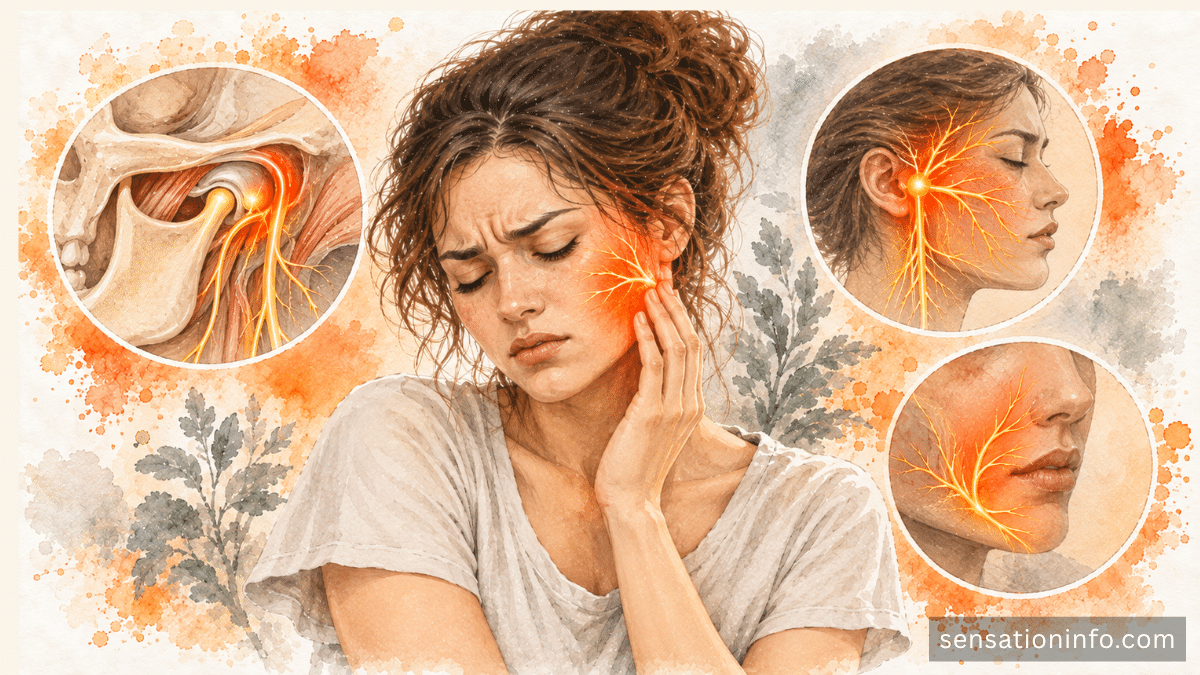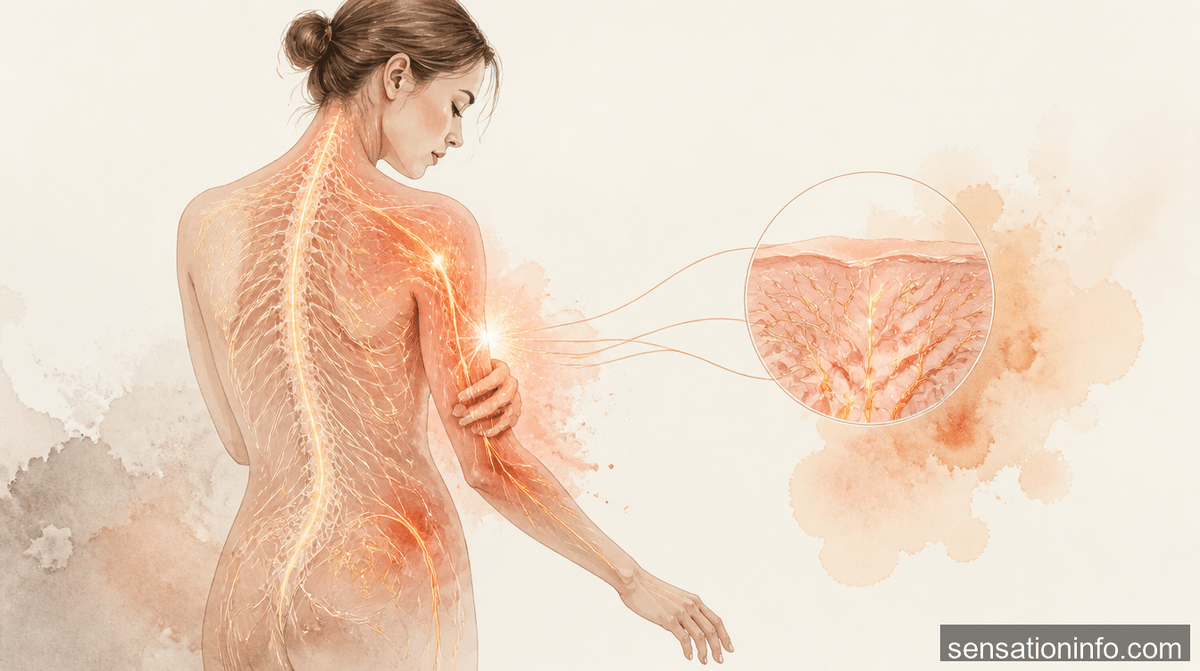

As a medical professional, I’ve encountered numerous patients who experience a burning sensation on their skin when touched. This phenomenon can be distressing, to say the least, and often leaves individuals seeking answers and relief. In this article, I’ll delve into the possible causes of this condition, discussing the various factors that contribute to it, and provide guidance on how to manage and alleviate the discomfort.
When I first started practicing medicine, I was struck by the complexity of human skin and the multitude of factors that can affect its sensitivity. The skin is our largest organ, and it plays a vital role in protecting us from external stimuli. However, when the skin becomes hypersensitive, even the slightest touch can trigger a burning sensation. This experience can be frustrating, especially if the cause is unknown. As someone who has worked with patients suffering from this condition, I understand the importance of empathy and a thorough approach to diagnosis and treatment.
The experience of a burning sensation on the skin when touched can vary from person to person. Some may describe it as a mild tingling, while others might report a severe, stabbing pain. The sensation can be localized to a specific area or spread across a larger portion of the body. In some cases, this condition can be accompanied by other symptoms, such as redness, itching, or swelling. Understanding these variations is crucial for healthcare providers to develop an effective treatment plan. As I work with my patients, I always try to consider the unique aspects of their condition, taking into account their medical history, lifestyle, and environmental factors that might contribute to their symptoms.
Possible Causes of Burning Sensation on Skin
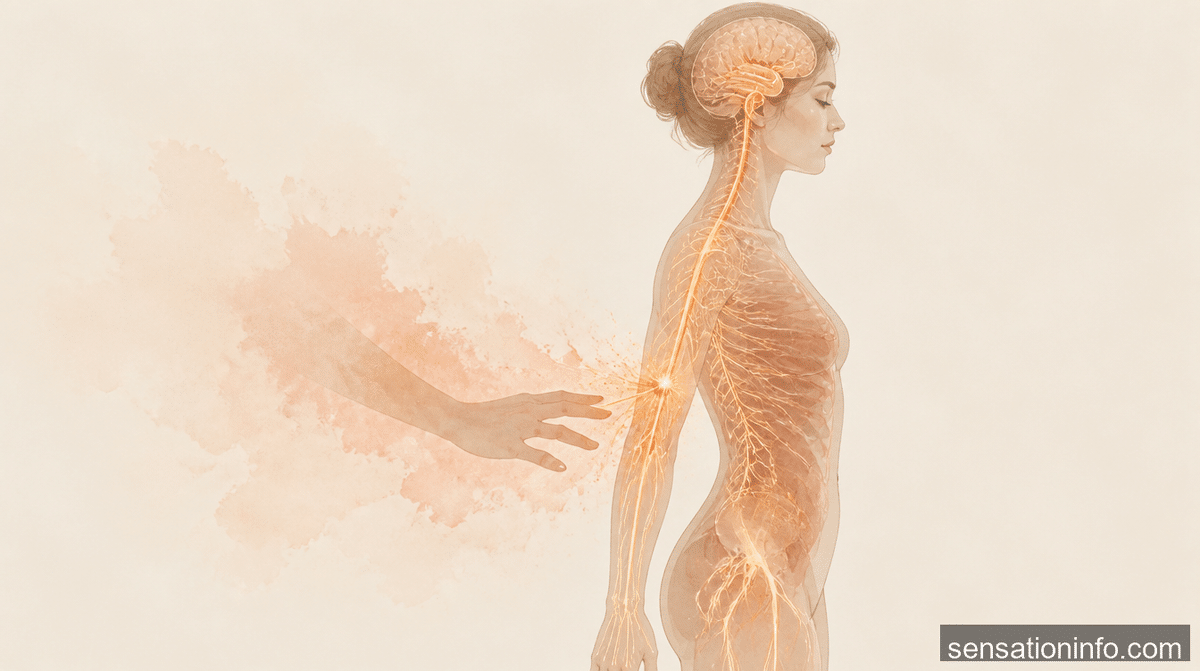
There are several potential causes of a burning sensation on the skin when touched. One of the most common causes is nerve damage or neuropathy. This can result from various factors, including diabetes, vitamin deficiencies, or injuries. When nerves are damaged, they can send false signals to the brain, leading to abnormal sensations such as burning or tingling. Another possible cause is skin conditions like eczema, psoriasis, or dermatitis. These conditions can cause inflammation and irritation, making the skin more sensitive to touch.
Certain medications can also contribute to a burning sensation on the skin. For example, some antibiotics, antifungals, and anti-inflammatory drugs can cause skin sensitivity as a side effect. Additionally, exposure to extreme temperatures, whether hot or cold, can trigger a burning sensation. This is because temperature extremes can damage the nerve endings in the skin, leading to abnormal sensations. As a medical professional, it’s essential to consider these potential causes and rule out any underlying conditions that might be contributing to the symptoms.
Diagnosis and Treatment
Diagnosing the cause of a burning sensation on the skin when touched can be challenging. It often requires a comprehensive approach, including a thorough medical history, physical examination, and diagnostic tests. As a healthcare provider, I always start by asking my patients to describe their symptoms in detail, including when they first occurred, what triggers them, and how they have evolved over time. This information is invaluable in narrowing down the potential causes and developing an effective treatment plan.
Laboratory tests, such as blood work or biopsies, may be necessary to rule out underlying conditions like diabetes or skin infections. In some cases, nerve conduction studies or electromyography (EMG) might be recommended to assess nerve function. Once the underlying cause is identified, treatment can be tailored to address the specific condition. For example, if the burning sensation is due to nerve damage, treatment might involve medications like gabapentin or pregabalin, which can help regulate nerve function. If the cause is a skin condition, topical creams or ointments might be prescribed to reduce inflammation and promote healing.
Managing and Preventing Burning Sensation on Skin
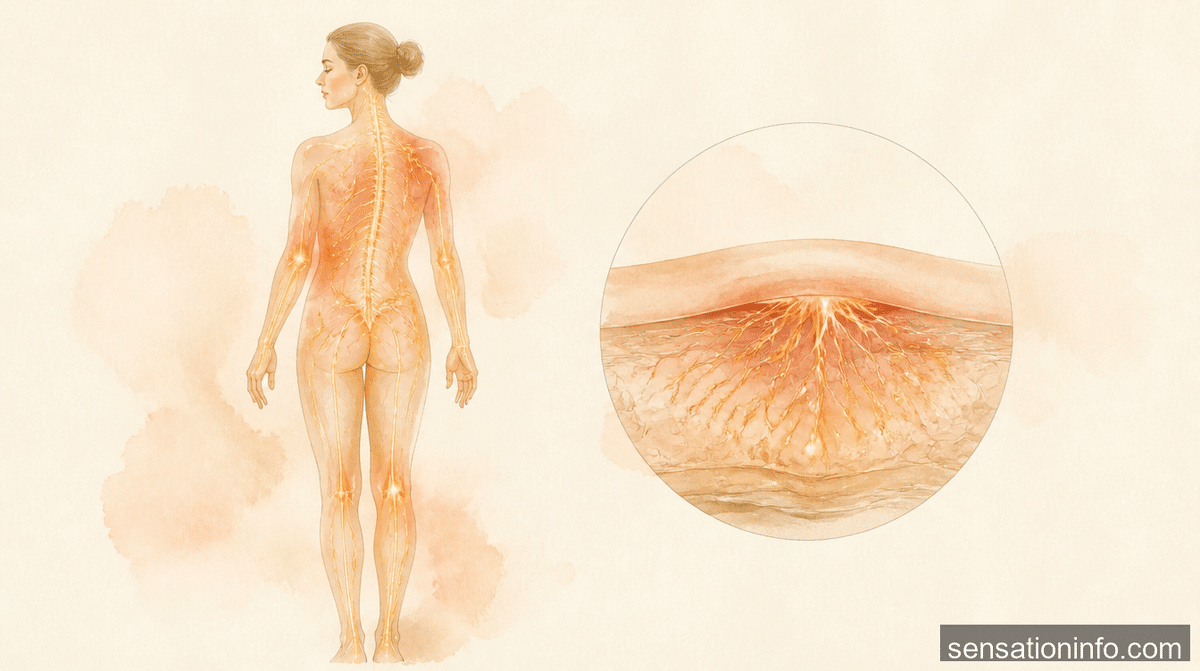
While medical treatment is essential for managing a burning sensation on the skin, there are also several steps individuals can take to alleviate their symptoms and prevent future episodes. One of the most critical aspects is maintaining good skin hygiene. Keeping the skin clean and moisturized can help reduce irritation and inflammation. Avoiding harsh soaps or cleansers and using gentle, fragrance-free products can also make a significant difference. Additionally, wearing loose, breathable clothing can help reduce friction and pressure on the skin, which can exacerbate the burning sensation.
Stress management is another crucial aspect of managing a burning sensation on the skin. High levels of stress can exacerbate skin conditions and make the skin more sensitive. Engaging in stress-reducing activities like meditation, yoga, or deep breathing exercises can help mitigate this effect. A balanced diet rich in essential nutrients, vitamins, and minerals is also vital for maintaining healthy skin. Foods high in omega-3 fatty acids, zinc, and vitamin E can help reduce inflammation and promote skin healing. As someone who has worked with patients struggling with skin conditions, I’ve seen firsthand the impact that lifestyle changes can have on symptom management.
Frequently Asked Questions
The most common causes include nerve damage or neuropathy, skin conditions like eczema or psoriasis, certain medications, and exposure to extreme temperatures. Understanding the underlying cause is crucial for developing an effective treatment plan.
Yes, it can be a symptom of various conditions, including diabetes, vitamin deficiencies, or skin infections. A thorough medical evaluation is necessary to rule out any underlying conditions.
Maintaining good skin hygiene, avoiding harsh soaps or cleansers, wearing loose clothing, and managing stress through relaxation techniques can help alleviate symptoms. A balanced diet and avoiding extreme temperatures can also contribute to skin health.
Yes, there are several over-the-counter creams and ointments available that can help soothe the skin and reduce inflammation. However, it’s essential to consult with a healthcare provider before starting any new treatments to ensure they are appropriate for your specific condition.
While not all cases can be prevented, maintaining good skin health, avoiding irritants, and managing underlying conditions can reduce the risk of experiencing a burning sensation on the skin. Regular check-ups with a healthcare provider can also help identify any potential issues early on.
Final Thoughts
A burning sensation on the skin when touched can be a challenging and uncomfortable condition to manage. However, with the right approach and treatment, it is possible to find relief and improve skin health. As a medical professional, my goal is to empower individuals with the knowledge and tools they need to take control of their health. By understanding the causes, seeking appropriate medical care, and making lifestyle adjustments, individuals can reduce their symptoms and enhance their overall well-being.
In conclusion, managing a burning sensation on the skin requires patience, persistence, and a comprehensive approach. It’s essential to work closely with a healthcare provider to identify the underlying cause and develop a personalized treatment plan. By combining medical treatment with self-care strategies and lifestyle modifications, individuals can effectively manage their symptoms and improve their quality of life. As I continue to work with patients struggling with this condition, I am reminded of the importance of empathy, education, and empowerment in the healing process. By providing accurate information, supporting patients through their journey, and celebrating their successes, we can make a meaningful difference in their lives and help them achieve the relief they deserve.