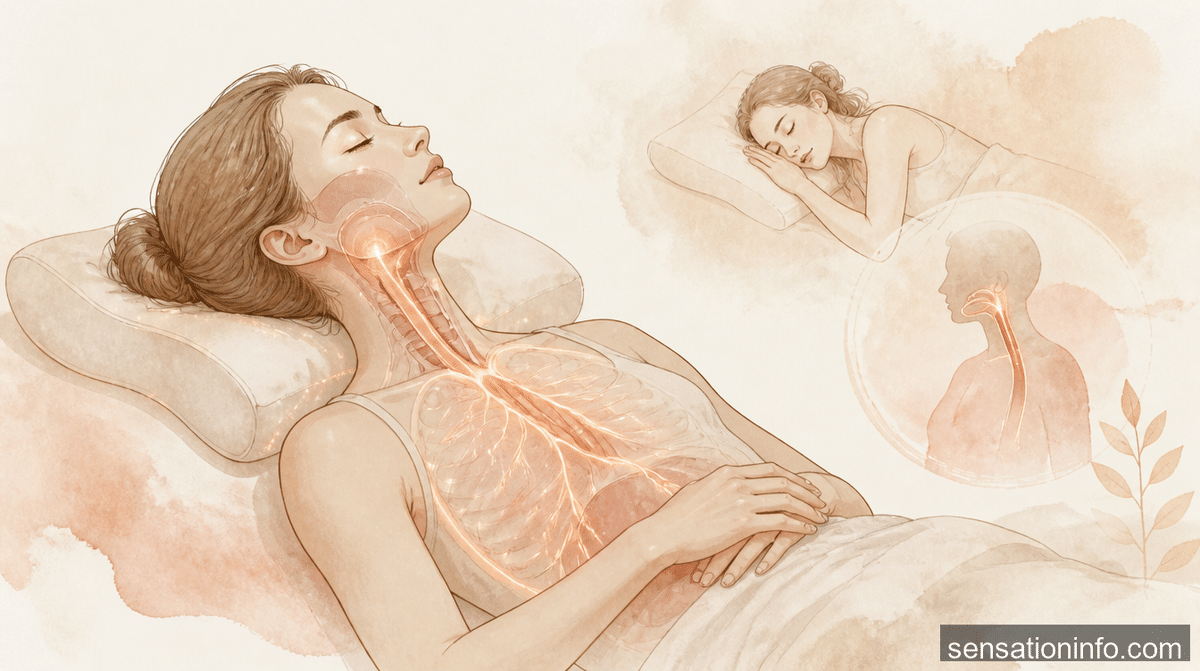

As someone who has worked with patients struggling with various throat conditions, I understand the frustration and discomfort that comes with a globus sensation. It’s a feeling of having a lump in the throat, which can be quite unsettling, especially when trying to sleep. In this article, I’ll share my expertise on how to sleep with globus sensation, providing you with practical tips and advice to help you find relief and rest.
I recall a patient who came to me with severe globus sensation, which was affecting her sleep and overall quality of life. She had tried various remedies, but nothing seemed to work. After a thorough examination and discussion, we worked together to develop a personalized plan to manage her symptoms and improve her sleep. Her story inspired me to write this article, and I hope that my expertise can help you too.
Globus sensation, also known as globus pharyngeus, is a condition characterized by a persistent feeling of a lump or tightness in the throat. It’s essential to note that this sensation is not usually a sign of a serious underlying condition, but rather a symptom of various factors, such as stress, anxiety, or muscle tension. However, it can be quite distressing, especially when trying to sleep. In this article, I’ll guide you through the possible causes of globus sensation, its impact on sleep, and most importantly, provide you with practical tips on how to manage it and improve your sleep quality.
Understanding Globus Sensation and Its Impact on Sleep
Globus sensation can be caused by a variety of factors, including stress, anxiety, and muscle tension. When we’re under stress, our body’s “fight or flight” response is triggered, leading to increased muscle tension, including in the throat area. This can result in a feeling of a lump or tightness in the throat, making it difficult to sleep. Additionally, certain medical conditions, such as gastroesophageal reflux disease (GERD), can also contribute to globus sensation.
I’ve seen many patients who experience globus sensation due to underlying anxiety or stress. In these cases, addressing the underlying issue is crucial in managing the symptoms. As a medical professional, I always emphasize the importance of a holistic approach, considering both physical and emotional factors that may be contributing to the condition.

Tips for Sleeping with Globus Sensation
So, how can you sleep with globus sensation? Here are some tips that may help:
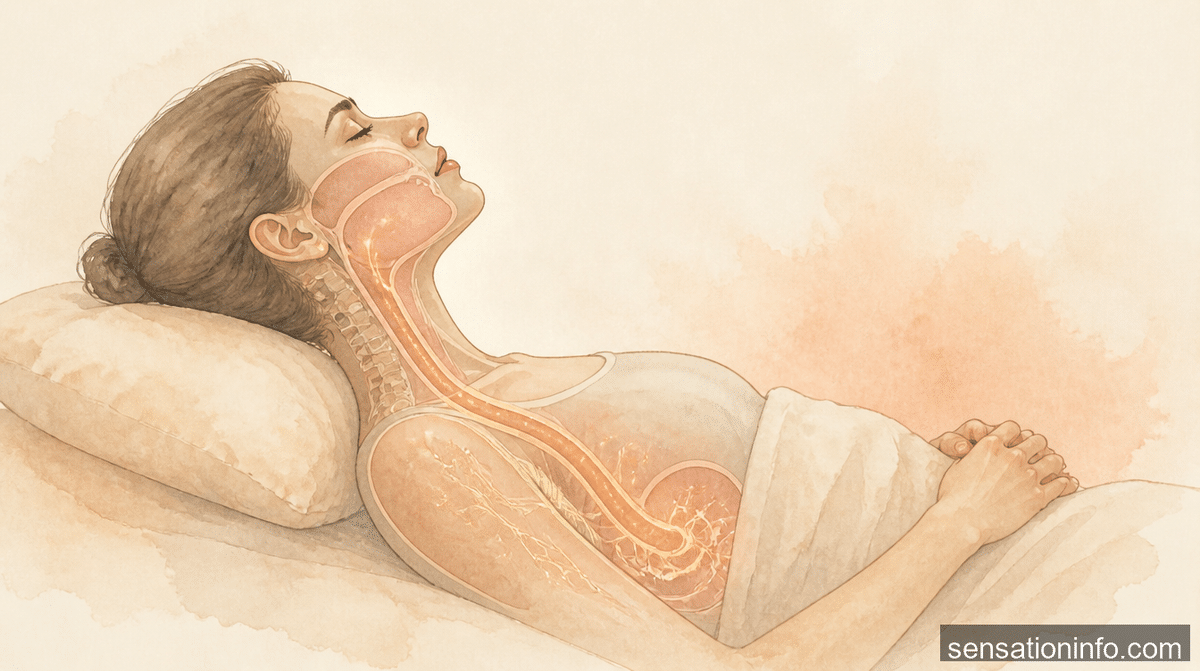
- Practice relaxation techniques: Stress and anxiety can exacerbate globus sensation. Engage in activities that help you relax, such as deep breathing exercises, progressive muscle relaxation, or meditation. I recommend starting with short sessions and gradually increasing the duration as you become more comfortable with the techniques.
- Maintain good sleep hygiene: Establish a consistent sleep schedule, avoid caffeine and electronics before bedtime, and create a sleep-conducive environment. A dark, quiet room with a comfortable temperature can help you relax and fall asleep faster.
- Try throat stretches and exercises: Gentle throat stretches and exercises can help relieve tension and reduce globus sensation. You can try simple exercises like swallowing, yawning, or humming to loosen up your throat muscles.
- Use a humidifier: Dry air can irritate the throat and worsen globus sensation. Using a humidifier can help maintain a healthy moisture level in your bedroom, reducing discomfort and promoting better sleep.
- Avoid irritants: Avoid exposure to irritants like tobacco smoke, dust, and pollution, which can exacerbate globus sensation. If you’re a smoker, consider quitting or reducing your smoking habits to alleviate symptoms.
Additional Strategies for Managing Globus Sensation
In addition to the tips mentioned above, there are several other strategies that may help manage globus sensation and improve sleep quality:
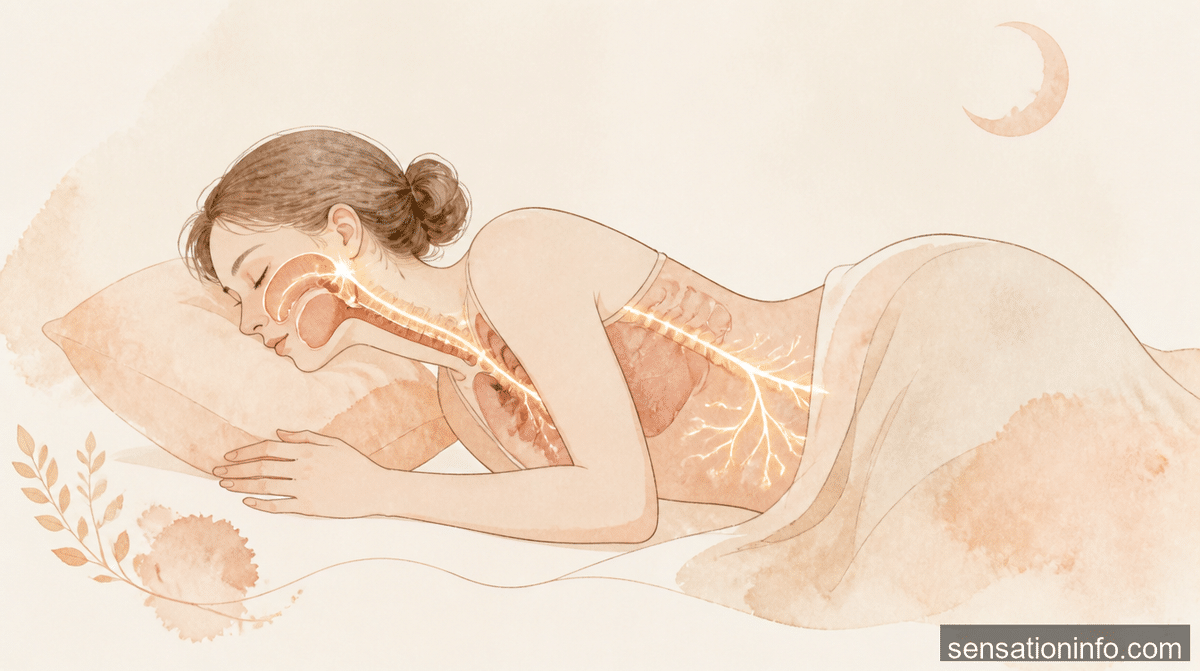
- Keep a sleep diary: Tracking your sleep patterns, including the time you go to bed, wake up, and any symptoms you experience during the night, can help you identify potential triggers and patterns.
- Try over-the-counter remedies: Lozenges, throat sprays, or antacids may provide temporary relief from globus sensation. However, it’s essential to consult with your doctor before taking any medication to ensure you’re using the right treatment for your specific condition.
- Consider cognitive-behavioral therapy (CBT): If you’re experiencing anxiety or stress-related globus sensation, CBT can be an effective way to address underlying issues and develop coping strategies.
Frequently Asked Questions
The best way to relieve globus sensation at night is to practice relaxation techniques, such as deep breathing exercises or progressive muscle relaxation, and maintain good sleep hygiene. Avoiding irritants, using a humidifier, and trying throat stretches and exercises can also help alleviate symptoms.
In most cases, globus sensation is not a sign of a serious underlying condition. However, if you’re experiencing persistent or severe symptoms, it’s essential to consult with your doctor to rule out any underlying conditions that may need medical attention.
The time it takes to see improvement in globus sensation symptoms can vary depending on the individual and the underlying cause. With consistent practice of relaxation techniques, good sleep hygiene, and avoidance of irritants, you may start to notice improvement within a few days to a week.
While there are no specific medications available to treat globus sensation, your doctor may prescribe medication to address underlying conditions, such as acid reflux or anxiety. It’s essential to consult with your doctor before taking any medication to ensure you’re using the right treatment for your specific condition.
Yes, there are several home remedies that can help alleviate globus sensation, including drinking warm liquids, such as tea or broth, and trying throat-soothing foods, like honey or ginger. However, it’s essential to consult with your doctor before trying any new remedies to ensure they’re suitable for your specific condition.
Final Thoughts
Globus sensation can be a frustrating and distressing condition, especially when trying to sleep. However, with the right strategies and techniques, you can manage your symptoms and improve your sleep quality. Remember to practice relaxation techniques, maintain good sleep hygiene, and avoid irritants to alleviate globus sensation. If you’re experiencing persistent or severe symptoms, don’t hesitate to consult with your doctor to rule out any underlying conditions that may need medical attention.
As a medical professional, I want to emphasize the importance of seeking professional help if you’re struggling with globus sensation or any other condition that’s affecting your sleep or overall well-being. By working together, we can develop a personalized plan to address your symptoms and improve your quality of life. Remember, taking care of your physical and emotional health is essential for overall well-being, and I’m here to support you every step of the way.
Article written by Dr Peeyush Kumawat at Sensationinfo.com