
Understanding the Possible Causes
As a medical professional, I’ve encountered numerous patients who’ve expressed concern over experiencing a burning sensation in their breast. This symptom can be alarming, to say the least, and it’s natural to wonder what could be causing it. In my experience, it’s essential to approach this issue with a calm and informed mindset, considering the various possibilities that could lead to such a sensation. When patients ask me, “Why does my breast have a burning sensation?” I always start by reassuring them that there are several potential explanations, ranging from harmless to more serious conditions that require medical attention.
The human body is complex, and breast tissue, in particular, is sensitive and dynamic, changing throughout our lives due to hormonal fluctuations, aging, and other factors. A burning sensation in the breast can manifest in different ways; it might be a sharp, stabbing pain, a dull ache, or even a feeling of warmth without actual heat. Understanding the underlying cause is crucial for appropriate management and treatment. I always advise my patients to keep a symptom journal, noting when the sensation occurs, how long it lasts, and any factors that seem to trigger or relieve it. This information can be invaluable in helping to diagnose the cause.
In many cases, a burning sensation in the breast can be related to hormonal changes, particularly during the menstrual cycle or menopause. Fluctuations in estrogen levels can lead to breast tenderness and pain, which some women describe as a burning sensation. This is usually cyclical, meaning it follows the menstrual cycle, and can be managed with over-the-counter pain relievers or hormonal treatments in some cases. However, it’s also important to consider other potential causes, as persistent or severe symptoms should always be evaluated by a healthcare provider to rule out more serious conditions.
Identifying Potential Causes
When I assess a patient complaining of a burning sensation in the breast, I consider a range of potential causes. One common cause is mastitis, an inflammation of the breast tissue that can cause pain, swelling, and a feeling of warmth or burning. Mastitis is often associated with breastfeeding but can occur in anyone. It’s usually treated with antibiotics if caused by a bacterial infection, and supportive measures like warm compresses and pain relievers can help manage symptoms.
Another possible cause is a breast cyst, which is a fluid-filled sac within the breast. While most breast cysts are benign, they can cause discomfort, especially if they become large or rupture, potentially leading to a burning sensation. Cysts can be diagnosed with an ultrasound and may be aspirated (drained with a needle) if they cause significant symptoms. I reassure my patients that most breast cysts are not cancerous, but any new lump or persistent symptom should be evaluated to determine the best course of action.
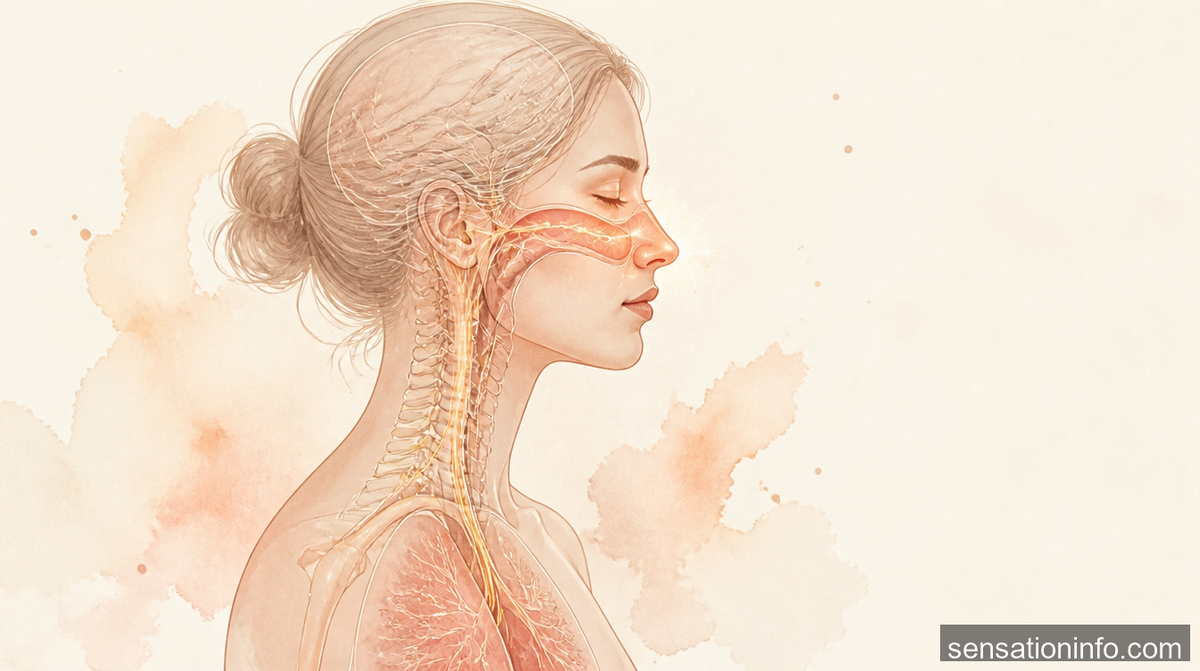
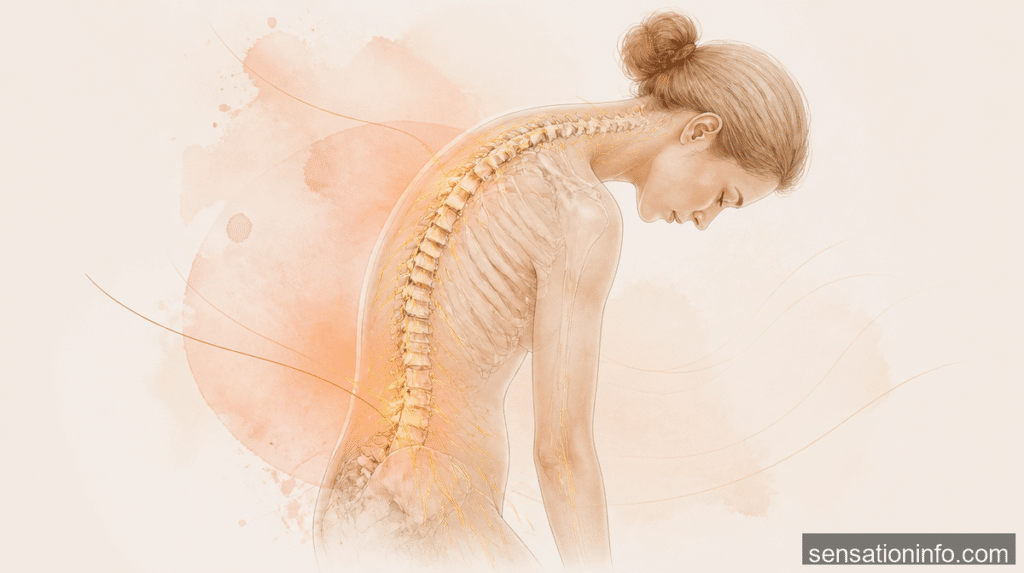
In some cases, a burning sensation in the breast can be referred pain from another area, such as the chest wall, armpit, or even the spine. This is known as radiculopathy when related to nerve roots, and it can mimic breast pain. Conditions like costochondritis, which affects the cartilage connecting the ribs to the breastbone, can also cause a burning or sharp pain that might be mistaken for breast pain. A thorough physical examination and possibly imaging tests are necessary to diagnose these conditions accurately.
The Role of Hormones and Lifestyle Factors
Hormonal fluctuations play a significant role in many cases of breast pain or burning sensations. During the menstrual cycle, estrogen causes breast tissues to swell, which can lead to tenderness and pain. Some women find that their symptoms worsen premenstrually, while others may experience relief after their period. For women on hormone replacement therapy (HRT) or birth control pills, changes in estrogen and progesterone levels can also affect breast tissue and lead to discomfort.
Lifestyle factors can also contribute to breast pain or burning sensations. Wearing tight or underwired bras can put pressure on breast tissue, leading to discomfort. Caffeine intake is another potential factor; some women notice an increase in breast tenderness when they consume caffeine. While the evidence is mixed, reducing or avoiding caffeine might be worth considering for women who experience cyclical breast pain.
Stress is another factor that can exacerbate breast pain or burning sensations. High levels of stress can lead to tense muscles, including those in the chest and shoulder area, which can refer pain to the breast. Engaging in stress-reducing activities such as yoga, meditation, or deep breathing exercises can be beneficial for overall well-being and may help alleviate breast discomfort.
When to Seek Medical Attention
While many causes of a burning sensation in the breast are not serious, it’s essential to know when to seek medical attention. If you experience any of the following, you should consult a healthcare provider:
- Sudden or severe pain: If the pain is intense, comes on suddenly, or is accompanied by other concerning symptoms like fever or swelling, seek medical attention promptly.
- Discharge or bleeding: Any discharge or bleeding from the nipple should be evaluated, as it can be a sign of an underlying condition that needs treatment.
- Lump or thickening: A new lump or area of thickening in the breast should be checked, even if you’ve had recent imaging tests.
- Pain that doesn’t go away: If the burning sensation or pain persists or worsens over time, despite trying over-the-counter remedies or lifestyle changes, it’s time to see a doctor.
Frequently Asked Questions
A burning sensation in the breast can be caused by various factors, including hormonal fluctuations, breast cysts, mastitis, and referred pain from other areas. It’s essential to consult a healthcare provider for an accurate diagnosis and appropriate treatment. In some cases, the cause might be related to lifestyle factors such as tight clothing, caffeine intake, or stress levels. Understanding the underlying cause is crucial for managing the symptom effectively.
While a burning sensation in the breast can be alarming, it is rarely a direct sign of breast cancer. However, any new or persistent symptom should be evaluated by a healthcare provider to rule out any serious conditions. Breast cancer can cause a variety of symptoms, including a new lump, nipple discharge, or changes in the skin of the breast. If you’re concerned about breast cancer, discuss your risk factors and any symptoms with your doctor, who can recommend the appropriate screening and diagnostic tests.
For mild symptoms, over-the-counter pain relievers like acetaminophen or ibuprofen can help. Applying a warm or cold compress to the affected area may also provide relief. Wearing a supportive bra and avoiding tight clothing can reduce discomfort. Some women find that reducing caffeine intake and practicing stress-reducing techniques help alleviate their symptoms. However, if your symptoms persist or worsen, it’s crucial to consult a healthcare provider for a proper evaluation and guidance.
While there’s limited evidence on specific foods or supplements that directly alleviate breast pain, maintaining a balanced diet rich in fruits, vegetables, and whole grains can support overall health. Some studies suggest that omega-3 fatty acids, found in fish oil supplements, may help reduce inflammation and potentially alleviate breast pain. However, it’s essential to consult with a healthcare provider before starting any new supplements to discuss potential benefits and risks.
Yes, stress can exacerbate breast pain or burning sensations. High stress levels can lead to muscle tension, including in the chest and shoulder area, which can refer pain to the breast. Additionally, stress can affect hormone levels, potentially worsening symptoms in women who experience cyclical breast pain. Engaging in stress management techniques such as meditation, yoga, or deep breathing exercises can help reduce overall stress and may alleviate breast discomfort.
Final Thoughts
Experiencing a burning sensation in the breast can be worrisome, but it’s essential to approach this symptom with a clear and informed mindset. By understanding the potential causes and knowing when to seek medical attention, you can take proactive steps towards diagnosis and treatment. Remember, while many causes of breast pain or burning sensations are not serious, any new or persistent symptom deserves a thorough evaluation by a healthcare provider. As a medical professional, my goal is to empower patients with knowledge, guiding them towards better health outcomes. If you’re concerned about a burning sensation in your breast, don’t hesitate to reach out to your healthcare provider. Together, we can navigate the possible causes and find the best path forward for your health and well-being.
In conclusion, managing a burning sensation in the breast requires a comprehensive approach, considering both medical and lifestyle factors. By maintaining open communication with your healthcare provider, staying informed, and adopting healthy habits, you can effectively manage your symptoms and ensure your overall breast health. Remember, your health is a journey, and it’s okay to ask for guidance along the way. Stay proactive, stay informed, and always prioritize your well-being.
Article written by Dr Peeyush Kumawat at Sensationinfo.com