
Introduction to Tingling Sensations
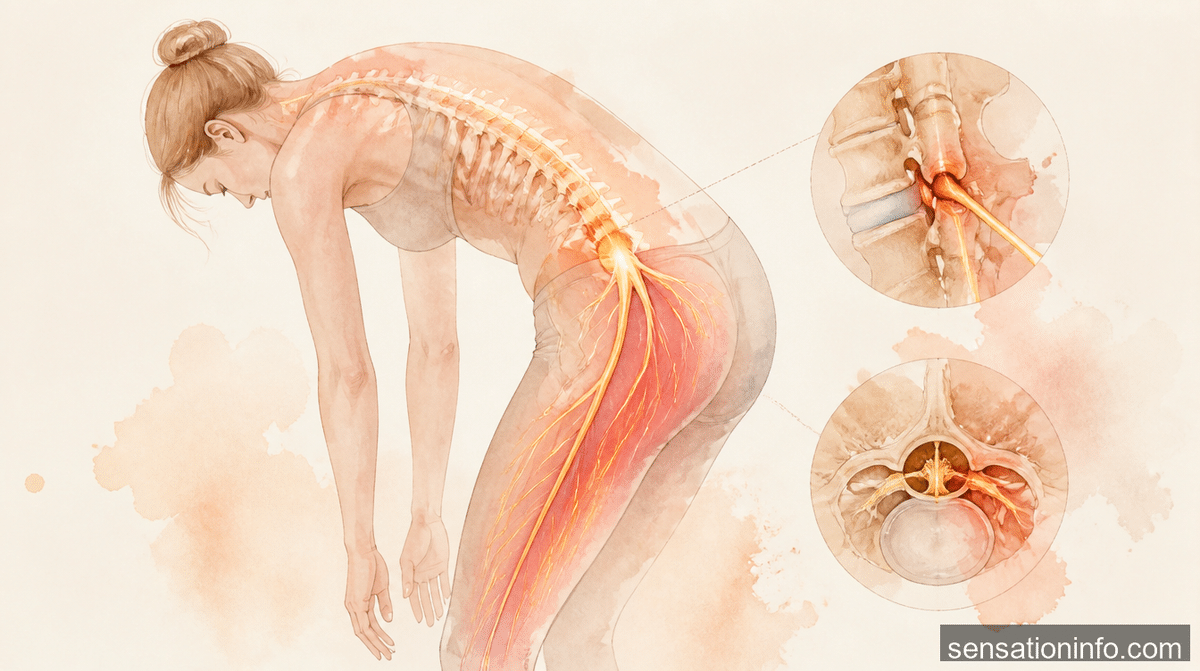
As a medical professional, I’ve encountered numerous patients who experience a tingling sensation in their back when bending. This phenomenon can be unsettling, leaving individuals wondering what might be causing it. I recall a patient who recently visited my office, concerned about the tingling sensation she felt in her lower back whenever she bent to pick up her child. Her concern was not only about the discomfort but also about the potential underlying cause. This experience reminded me of how common yet puzzling this symptom can be. In this article, I aim to delve into the possible causes of tingling sensations in the back when bending, providing insight and guidance for those seeking to understand their condition better.
Context of Tingling Sensations
Tingling sensations, also known as paresthesia, can occur in any part of the body, including the back. When it happens in the back, especially when bending, it could be due to a variety of reasons, ranging from mild to severe. The human spine is a complex structure, comprising vertebrae, discs, nerves, and muscles, all of which can be involved in causing such sensations. As someone who has studied and practiced medicine, I’ve come to realize that addressing tingling sensations requires a comprehensive approach, considering both the physical and neurological aspects.
Understanding the Possible Causes
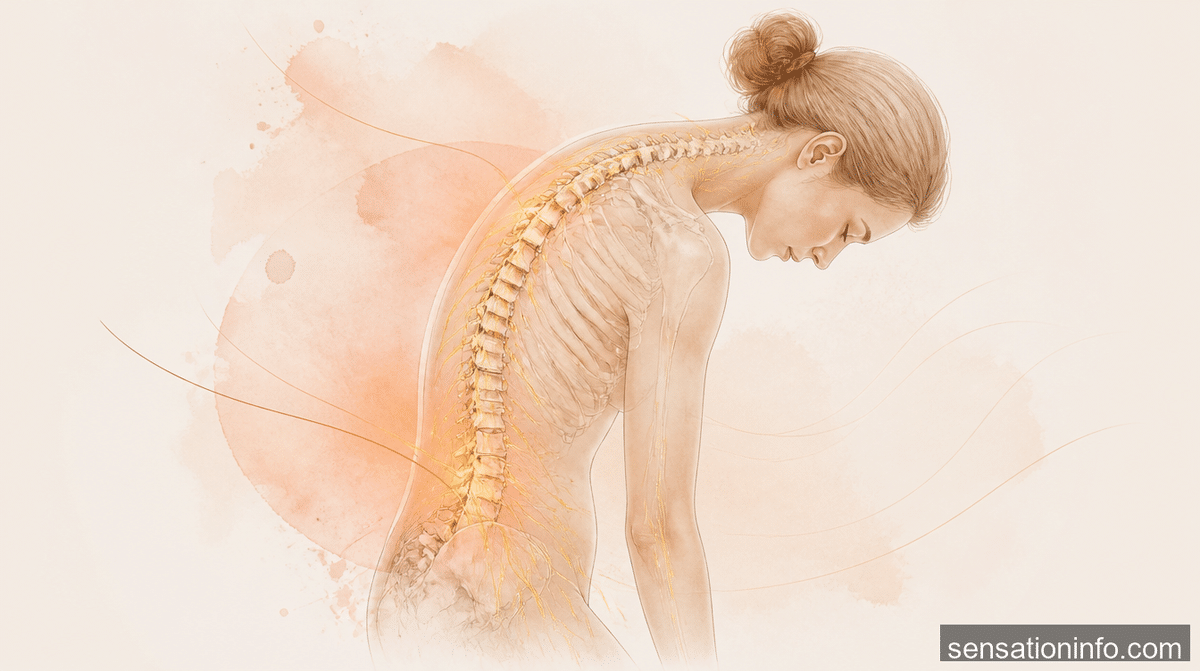
To approach this topic systematically, let’s consider the anatomy of the back and how different factors can lead to tingling sensations. The spine is made up of cervical, thoracic, lumbar, and sacral regions, each with its unique characteristics and potential vulnerability to stress and injury. When bending, the lumbar region, in particular, undergoes significant stress, which can affect the nerves and muscles, leading to tingling sensations. Some of the common causes include:
- Muscle Strain: Overstretching or tearing of the muscles in the back can lead to inflammation and irritation of the nerves, resulting in tingling sensations.
- Herniated Discs: The spinal discs act as cushions between the vertebrae. When these discs herniate, they can press on the nerves, causing tingling, numbness, and pain.
- Degenerative Disc Disease: As we age, the spinal discs can deteriorate, leading to reduced cushioning between the vertebrae. This can cause the vertebrae to rub against each other, irritating the surrounding nerves.
- Spondylosis: This condition involves wearing down of the spinal discs and facet joints, which can lead to nerve compression and tingling sensations.
- Thoracic Outlet Syndrome: Although more commonly associated with the neck and arm, thoracic outlet syndrome can also cause tingling in the back due to compression of the nerves that run from the neck into the arm.
The Importance of Diagnosis
Diagnosing the cause of tingling sensations in the back when bending is crucial for effective treatment. A thorough medical history, physical examination, and possibly imaging tests like MRI or CT scans may be necessary to determine the underlying cause. I emphasize the importance of seeking medical attention if the tingling sensation is severe, persistent, or accompanied by other concerning symptoms such as numbness, weakness, or difficulty controlling bowel or bladder functions.
Management and Treatment
The treatment of tingling sensations in the back when bending largely depends on the underlying cause. For many patients, conservative management strategies are effective. These include:
- Physical Therapy: Exercises to strengthen the back muscles and improve flexibility can help reduce strain on the spine.
- Pain Management: Over-the-counter pain relievers or, in some cases, prescription medication may be recommended to manage pain and inflammation.
- Lifestyle Modifications: Maintaining a healthy weight, practicing good posture, and avoiding heavy lifting can reduce stress on the back.
- Surgery: In more severe cases, where there is significant nerve compression or structural damage, surgical intervention may be necessary.
Lifestyle Adjustments for Prevention
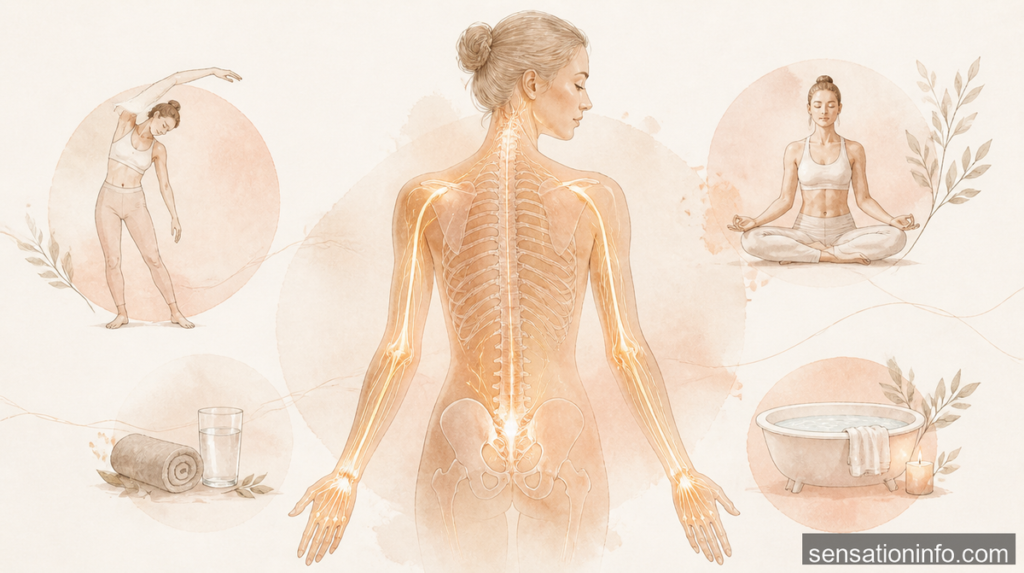
As a healthcare provider, I always stress the importance of preventive measures. Making a few simple adjustments to daily life can significantly reduce the risk of experiencing tingling sensations in the back when bending. These include:
- Regular Exercise: Engaging in regular physical activity, such as walking, swimming, or yoga, can help maintain back strength and flexibility.
- Proper Lifting Techniques: Learning how to lift correctly, by bending at the knees and keeping the back straight, can reduce strain on the spine.
- Ergonomic Workplace: Ensuring that the workspace is set up to promote good posture can help prevent back strain.
- Maintaining a Healthy Weight: Excess weight can put additional strain on the spine, increasing the risk of back problems.
Frequently Asked Questions
Symptoms can vary but often include tingling, numbness, pain, and sometimes weakness in the back or radiating down the legs. The severity and combination of symptoms can provide valuable clues to the underlying cause.
Yes, in some cases, tingling sensations can be a symptom of a more serious condition, such as nerve damage, spinal stenosis, or even a spinal infection. It’s essential to seek medical attention if the sensation is severe, persistent, or accompanied by other alarming symptoms.
Recovery time can vary significantly depending on the underlying cause. For minor issues like muscle strain, recovery might take a few days to weeks. However, for more severe conditions requiring surgical intervention, the recovery process can be longer, often taking several months.
Yes, physical therapy is often a recommended treatment for tingling sensations in the back. A physical therapist can tailor exercises to strengthen the back muscles, improve posture, and reduce strain on the spine, which can help alleviate symptoms.
While not all causes can be prevented, making lifestyle adjustments such as maintaining a healthy weight, engaging in regular exercise, and practicing good lifting techniques can significantly reduce the risk of developing back problems that lead to tingling sensations.
Final Thoughts
In conclusion, tingling sensations in the back when bending can stem from a variety of causes, ranging from mild muscle strain to more severe neurological conditions. Understanding the possible reasons and taking proactive steps towards prevention and management can make a significant difference in alleviating discomfort and preventing future complications. As a medical professional, my advice is to approach any unusual sensation with curiosity and caution, seeking professional guidance when needed. By doing so, individuals can better navigate their health challenges and work towards a more resilient and healthy back.
Remember, your back is a resilient and adaptable part of your body, capable of withstanding a wide range of stresses and strains. However, it also requires care and attention to function optimally. By adopting healthy habits, being mindful of your posture and lifting techniques, and seeking medical attention when necessary, you can reduce the likelihood of experiencing tingling sensations in your back when bending and maintain a strong, healthy spine for years to come.
Article written by Dr Peeyush Kumawat at Sensationinfo.com