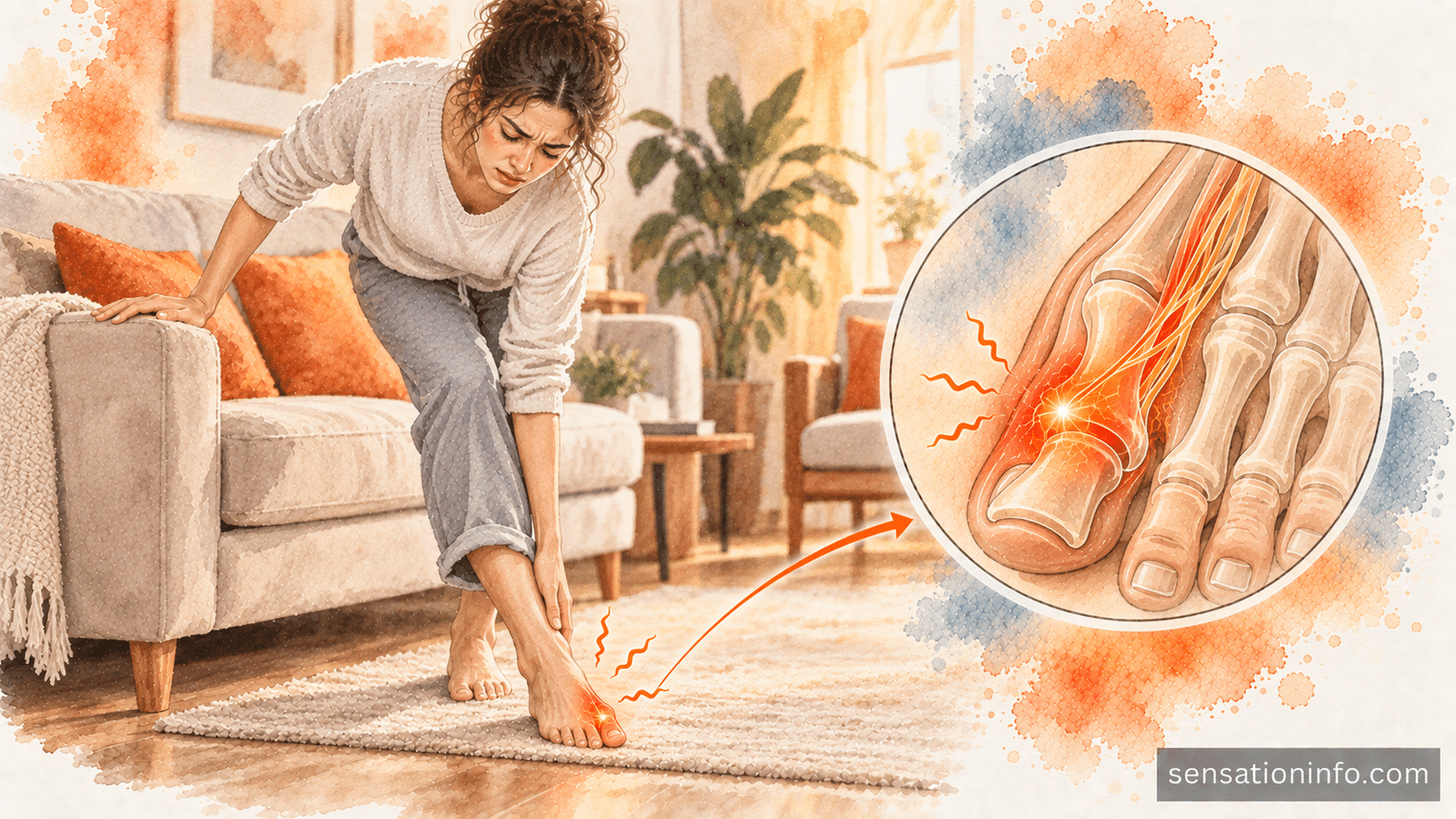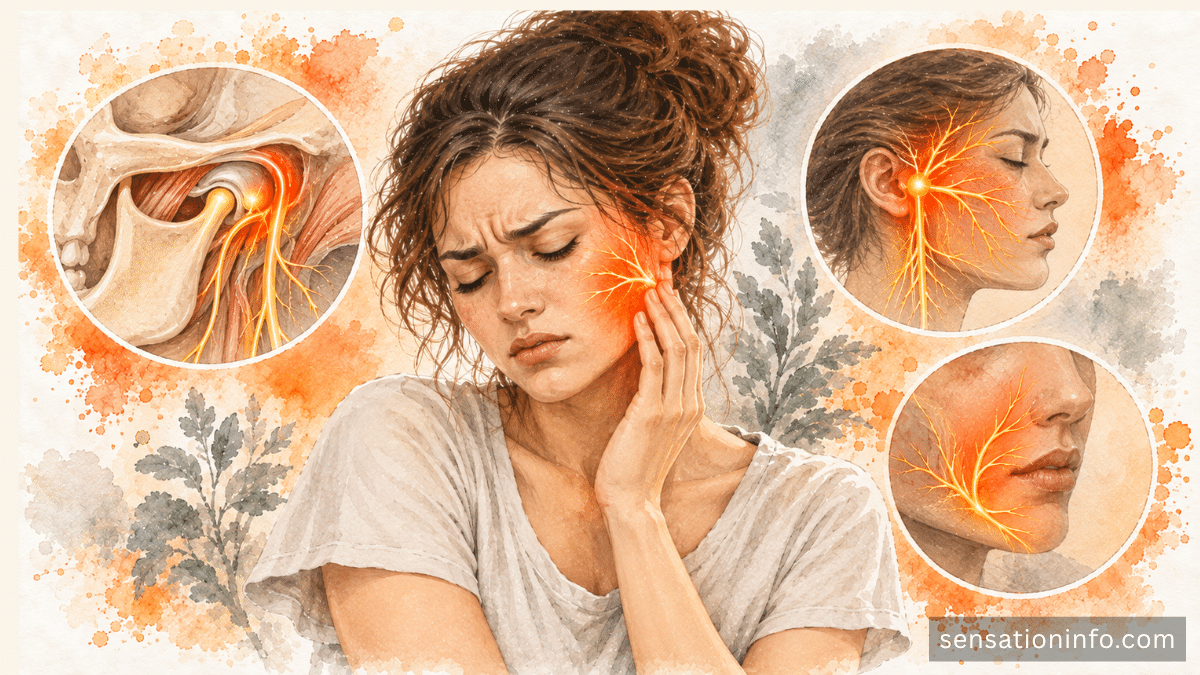

As a medical professional, I’ve seen many patients struggling with numbness or tingling sensations in their body. It’s a frustrating and sometimes scary experience, especially when you don’t know the cause or how to get sensation back. I’ve worked with numerous individuals who have experienced sensation loss due to various reasons, and I’m here to share my expertise with you. In this article, I’ll guide you through the possible causes, symptoms, and treatment options to help you restore sensation and regain control over your body.
I remember a patient who came to me with complaints of numbness in her hands and feet. She had been experiencing this for months, and it was affecting her daily life. After a thorough examination and diagnosis, we discovered that she had neuropathy due to vitamin deficiency. With proper treatment and lifestyle changes, she was able to regain sensation in her hands and feet. This experience taught me the importance of identifying the underlying cause of sensation loss and developing a personalized treatment plan.
To understand how to get sensation back, it’s essential to comprehend the underlying causes of numbness or tingling. Nerve damage, neuropathy, or certain medical conditions like diabetes, multiple sclerosis, or peripheral artery disease can lead to sensation loss. In some cases, nutritional deficiencies, such as vitamin B12 deficiency, can also cause numbness or tingling sensations. As a medical expert, I always emphasize the importance of seeking professional help if you’re experiencing persistent or severe numbness or tingling.
When I meet with patients, I explain that numbness or tingling can be temporary or permanent, depending on the underlying cause. If you’re experiencing temporary numbness, it might be due to compression of a nerve or a minor injury. However, if the numbness persists or worsens over time, it could be a sign of an underlying condition that requires medical attention. I always advise my patients to keep a symptom journal to track their numbness or tingling episodes, which helps us identify patterns and potential triggers.
Understanding the Causes of Sensation Loss
To develop an effective treatment plan, it’s crucial to identify the underlying cause of sensation loss. As a medical professional, I’ve seen that nerve damage is a common cause of numbness or tingling. This can occur due to injuries, infections, or certain medical conditions. Neuropathy, a condition that affects the nerves, can also lead to sensation loss. I work closely with my patients to determine the underlying cause of their sensation loss and develop a personalized treatment plan.
One of my patients had been experiencing numbness in her feet due to peripheral neuropathy. We worked together to develop a treatment plan that included medication, physical therapy, and lifestyle changes. With time and patience, she was able to regain sensation in her feet and resume her daily activities. This experience taught me the importance of collaboration between the patient and the medical professional in developing an effective treatment plan.
In some cases, sensation loss can be a symptom of an underlying medical condition. For instance, diabetes can cause nerve damage, leading to numbness or tingling sensations in the hands and feet. Certain medications, such as those used to treat cancer or HIV, can also cause nerve damage and sensation loss. As a medical expert, I always emphasize the importance of managing underlying medical conditions to prevent or minimize sensation loss.

Symptoms of Sensation Loss
The symptoms of sensation loss can vary depending on the underlying cause. Some common symptoms include numbness, tingling, burning, or prickling sensations in the affected area. In some cases, patients may experience muscle weakness, pain, or difficulty walking. As a medical professional, I always ask my patients to describe their symptoms in detail, which helps me identify potential underlying causes.
I recall a patient who experienced numbness in his hands and feet, which was accompanied by muscle weakness. We discovered that he had a vitamin B12 deficiency, which was causing his symptoms. With proper treatment, he was able to regain sensation and strength in his hands and feet. This experience taught me the importance of considering multiple factors when diagnosing and treating sensation loss.
Treatment Options for Sensation Loss
The treatment for sensation loss depends on the underlying cause. If the cause is temporary, such as compression of a nerve, treatment may involve simple measures like resting the affected area or using over-the-counter pain relievers. However, if the cause is an underlying medical condition, treatment may involve medications, lifestyle changes, or surgical interventions. As a medical expert, I always work with my patients to develop a personalized treatment plan that addresses their unique needs and circumstances.
In some cases, physical therapy can help improve sensation and mobility. A physical therapist can work with you to develop a customized exercise program to help you regain strength and sensation in the affected area. I often refer my patients to physical therapy to help them regain control over their body and improve their overall quality of life.
How to Get Sensation Back: Home Remedies and Lifestyle Changes
While medical treatment is essential for addressing underlying causes, there are some home remedies and lifestyle changes that can help improve sensation and prevent further damage. As a medical professional, I always advise my patients to maintain a healthy diet rich in essential nutrients, including vitamins B12 and D, which are crucial for nerve health.
Regular exercise, such as yoga or tai chi, can also help improve sensation and mobility. These exercises can help reduce stress, improve circulation, and promote overall well-being. I often recommend these exercises to my patients, as they can be modified to suit individual needs and abilities.
In addition to these remedies, avoiding certain substances like tobacco and excessive alcohol can help prevent nerve damage and sensation loss. Getting enough sleep and managing stress through techniques like meditation or deep breathing can also help promote nerve health and sensation. As a medical expert, I always emphasize the importance of adopting a holistic approach to health, which includes lifestyle changes and stress management.
Frequently Asked Questions
The most common causes of numbness or tingling sensations include nerve damage, neuropathy, or certain medical conditions like diabetes, multiple sclerosis, or peripheral artery disease. Nutritional deficiencies, such as vitamin B12 deficiency, can also cause numbness or tingling sensations.
Yes, numbness or tingling can be a symptom of an underlying medical condition. For instance, diabetes can cause nerve damage, leading to numbness or tingling sensations in the hands and feet. Certain medications, such as those used to treat cancer or HIV, can also cause nerve damage and sensation loss.
To prevent numbness or tingling sensations, it’s essential to maintain a healthy lifestyle, including a balanced diet, regular exercise, and stress management. Avoiding certain substances like tobacco and excessive alcohol can also help prevent nerve damage and sensation loss.
Yes, physical therapy can help improve sensation and mobility. A physical therapist can work with you to develop a customized exercise program to help you regain strength and sensation in the affected area.
Yes, there are several home remedies that can help improve sensation, including maintaining a healthy diet rich in essential nutrients, practicing regular exercise like yoga or tai chi, and avoiding certain substances like tobacco and excessive alcohol.
Final Thoughts
Regaining sensation and mobility requires patience, dedication, and the right treatment approach. As a medical professional, I’ve seen many patients struggle with numbness or tingling sensations, but with the right guidance and support, they’ve been able to regain control over their body and improve their quality of life. If you’re experiencing numbness or tingling sensations, I encourage you to seek medical attention and work with a healthcare professional to develop a personalized treatment plan.
Remember, sensation loss is not just a physical issue, but also an emotional one. It can affect your daily life, relationships, and overall well-being. As a medical expert, I always emphasize the importance of addressing the emotional and psychological aspects of sensation loss, in addition to the physical symptoms. By working together, we can develop a comprehensive treatment plan that addresses your unique needs and helps you regain sensation and mobility.
In conclusion, getting sensation back requires a comprehensive approach that includes medical treatment, lifestyle changes, and home remedies. As a medical professional, I’m committed to helping my patients regain control over their body and improve their overall quality of life. If you’re struggling with numbness or tingling sensations, I encourage you to take the first step towards seeking medical attention and starting your journey towards sensation restoration.
Article written by Dr Peeyush Kumawat at Sensationinfo.com