
Reduce Finger Numbness: A Comprehensive Guide to Regaining Sensation
As a medical professional, I’ve seen numerous patients complaining of numbness in their fingers, particularly those who spend extended periods typing or using their hands for work. I must admit, I’ve experienced this issue myself during long hours of writing or typing. The sensation can be unsettling, and if left unchecked, it may lead to more severe problems. In this article, I’ll delve into the world of finger numbness, exploring its causes, symptoms, and most importantly, ways to reduce it.
Finger numbness is a common issue that affects millions of people worldwide. It can be caused by a variety of factors, including poor posture, inadequate ergonomic setup, and underlying medical conditions. As someone who’s worked with patients suffering from numbness, I understand the importance of addressing this issue promptly. In the following sections, I’ll provide you with a comprehensive guide on how to reduce finger numbness, including ergonomic setup, medical review, and step-by-step treatment.
Understanding Finger Numbness
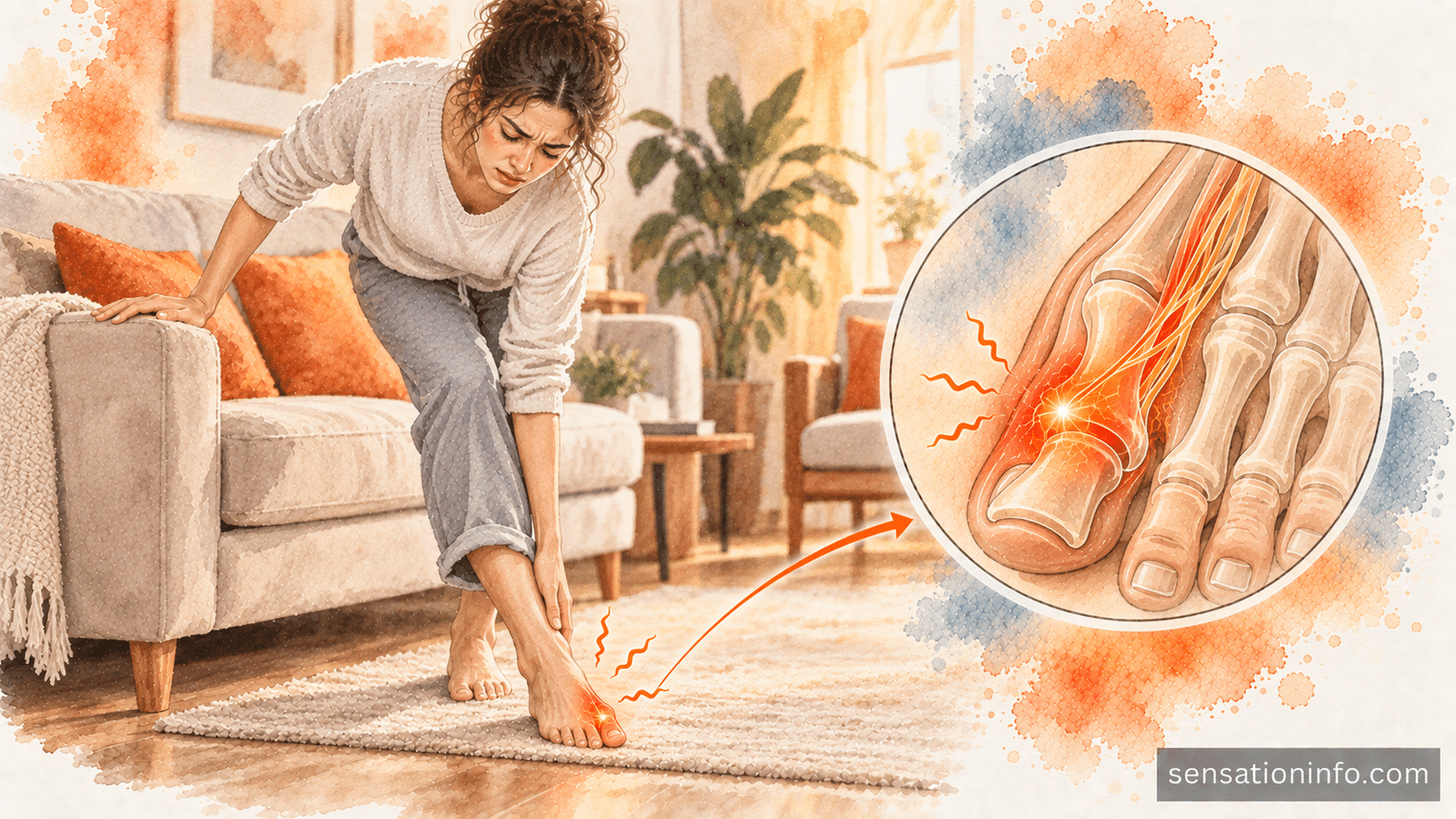
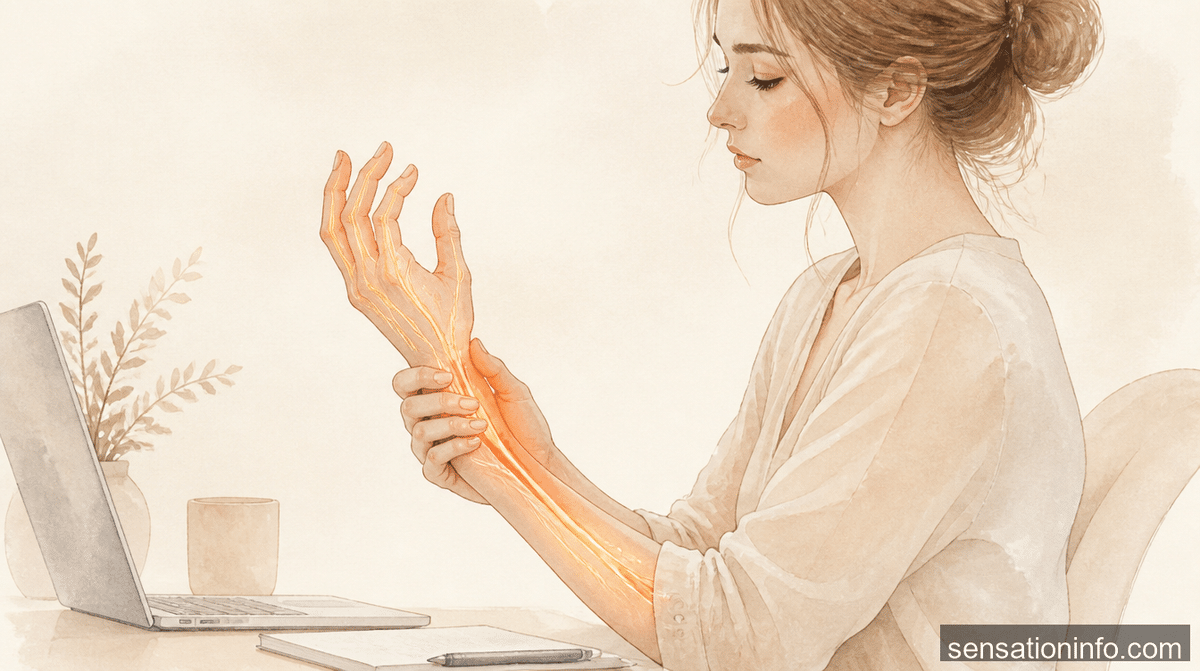
Before we dive into the solutions, it’s essential to understand what finger numbness is and how it affects our daily lives. Finger numbness, also known as paresthesia, is a sensation of tingling, numbness, or prickling in the fingers. It can be caused by pressure on the nerves, poor blood circulation, or underlying medical conditions such as diabetes, carpal tunnel syndrome, or peripheral neuropathy. As a doctor, I’ve seen patients who’ve experienced numbness in their fingers due to a combination of these factors.
When I first started practicing medicine, I noticed that many of my patients who worked on computers or typed extensively complained of finger numbness. At first, I thought it was just a minor issue, but as I dug deeper, I realized that it was a symptom of a larger problem. The numbness can be debilitating, making it difficult to perform even the simplest tasks. That’s why it’s crucial to address the issue promptly and take steps to reduce finger numbness.
Quick-Answer Box
If you’re experiencing numbness in your fingers and want a quick solution, here’s a snippet to get you started:
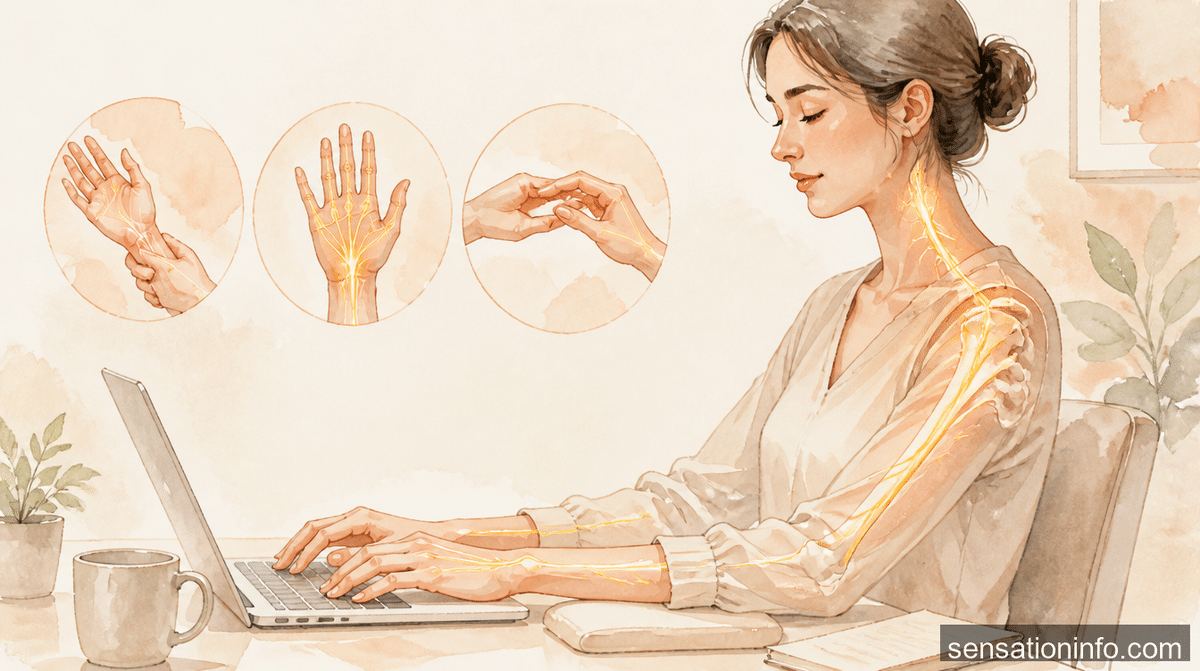
To reduce finger numbness, start by taking regular breaks to stretch and move your hands. Try wrist extensions, finger bends, and shoulder rolls to improve blood circulation and reduce pressure on the nerves. You can also try adjusting your ergonomic setup, including your chair height, monitor position, and keyboard placement. Finally, consider incorporating nerve-glide exercises and micro-breaks into your daily routine to prevent numbness and promote overall hand health.
Symptoms Checklist
If you’re experiencing any of the following symptoms, you may be suffering from finger numbness:
- Tingling or numbness in the fingers
- Prickling or burning sensations
- Weakness or fatigue in the hands
- Difficulty gripping or holding objects
- Pain or numbness in the wrists or arms
- Difficulty typing or performing tasks that require fine motor skills
As a medical professional, I’ve seen patients who’ve experienced a combination of these symptoms. It’s essential to address the issue promptly to prevent long-term damage.

Causes of Finger Numbness
Finger numbness can be caused by a variety of factors, including:
- Poor ergonomic setup
- Repetitive strain injuries
- Underlying medical conditions such as diabetes, carpal tunnel syndrome, or peripheral neuropathy
- Nutritional deficiencies, such as vitamin B12 deficiency
- Certain medications, such as chemotherapy or antibiotics
As someone who’s worked with patients suffering from numbness, I understand the importance of identifying the underlying cause. By addressing the root cause, we can develop an effective treatment plan to reduce finger numbness.
Step-by-Step Treatment
To reduce finger numbness, follow these steps:
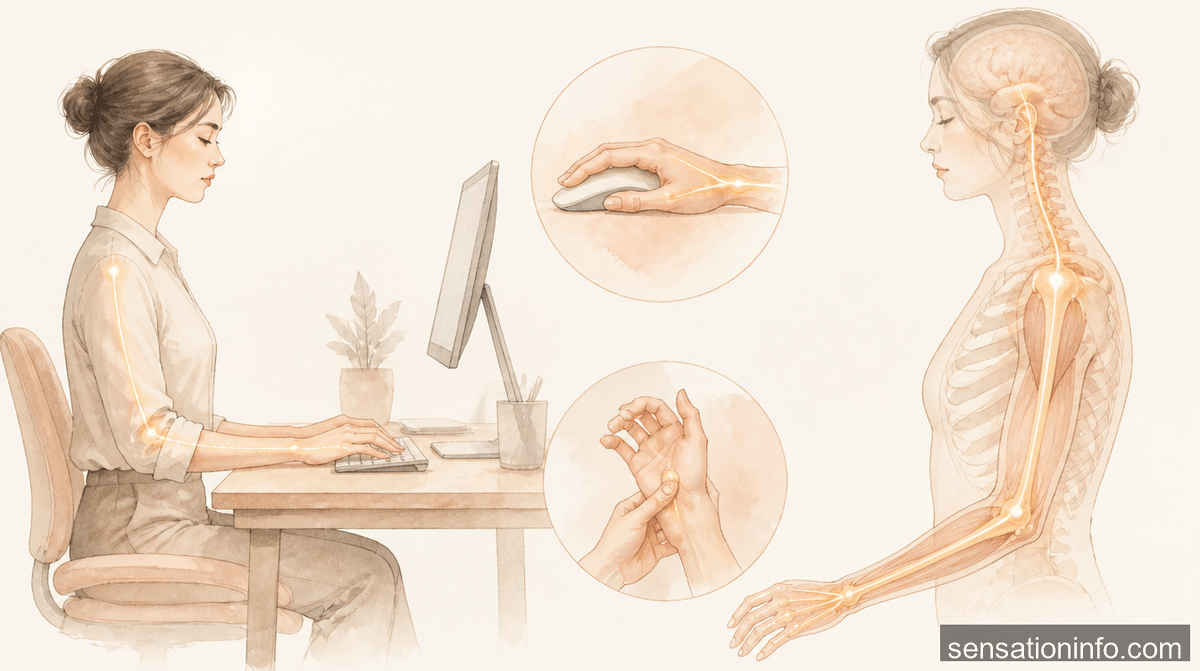
- Ergonomic setup: Adjust your chair height, monitor position, and keyboard placement to promote good posture and reduce pressure on the nerves.
- Wrist extensions: Stretch your wrists and fingers regularly to improve blood circulation and reduce pressure on the nerves.
- Finger bends: Bend your fingers gently to stretch the muscles and tendons.
- Shoulder rolls: Roll your shoulders forward and backward to loosen the muscles and improve blood circulation.
- Nerve-glide exercises: Perform exercises that promote nerve mobility, such as wrist extensions and finger bends.
- Micro-breaks: Take regular breaks to stretch and move your hands, even if it’s just for a few seconds.
Home Remedies
In addition to the step-by-step treatment, here are some home remedies that can help reduce finger numbness:
- Warm compresses: Apply a warm compress to the affected area to improve blood circulation and reduce numbness.
- Massage: Massage the affected area gently to promote blood circulation and reduce tension in the muscles.
- Vitamin B12 supplements: Take vitamin B12 supplements to address nutritional deficiencies.
- Herbal remedies: Try herbal remedies such as ginkgo biloba or turmeric to promote blood circulation and reduce inflammation.
Prevention Tips
To prevent finger numbness, follow these tips:
- Take regular breaks: Take regular breaks to stretch and move your hands, even if it’s just for a few seconds.
- Adjust your ergonomic setup: Adjust your chair height, monitor position, and keyboard placement to promote good posture and reduce pressure on the nerves.
- Stay hydrated: Stay hydrated by drinking plenty of water to promote blood circulation and overall health.
- Exercise regularly: Exercise regularly to promote blood circulation and overall health.
Frequently Asked Questions
Finger numbness can cause a range of symptoms, including tingling, numbness, prickling, or burning sensations in the fingers. It can also cause weakness or fatigue in the hands, difficulty gripping or holding objects, and pain or numbness in the wrists or arms.
To reduce finger numbness, start by taking regular breaks to stretch and move your hands. Try wrist extensions, finger bends, and shoulder rolls to improve blood circulation and reduce pressure on the nerves. You can also try adjusting your ergonomic setup, including your chair height, monitor position, and keyboard placement.
Finger numbness can be caused by a variety of factors, including poor ergonomic setup, repetitive strain injuries, underlying medical conditions, nutritional deficiencies, and certain medications.
Yes, finger numbness can be treated at home using a combination of ergonomic setup, wrist extensions, finger bends, and nerve-glide exercises. You can also try home remedies such as warm compresses, massage, and vitamin B12 supplements.
If you’re experiencing persistent or severe numbness in your fingers, it’s essential to see a doctor to rule out underlying medical conditions. Your doctor can perform a thorough examination and provide a proper diagnosis and treatment plan.
When to See a Doctor
If you’re experiencing any of the following, it’s essential to see a doctor:
- Persistent or severe numbness in the fingers
- Weakness or fatigue in the hands
- Difficulty gripping or holding objects
- Pain or numbness in the wrists or arms
- Underlying medical conditions such as diabetes, carpal tunnel syndrome, or peripheral neuropathy
As a medical professional, I understand the importance of seeking medical attention if you’re experiencing any of these symptoms. A proper diagnosis and treatment plan can help reduce finger numbness and prevent long-term damage.
Micro-Break Schedule
To reduce finger numbness, try incorporating a micro-break schedule into your daily routine. Take a 5-10 minute break every hour to stretch and move your hands. You can try wrist extensions, finger bends, and shoulder rolls to improve blood circulation and reduce pressure on the nerves.
Nerve-Glide Exercises
Nerve-glide exercises can help promote nerve mobility and reduce finger numbness. Try the following exercises:
- Wrist extensions: Stretch your wrists gently to promote blood circulation and reduce pressure on the nerves.
- Finger bends: Bend your fingers gently to stretch the muscles and tendons.
- Shoulder rolls: Roll your shoulders forward and backward to loosen the muscles and improve blood circulation.
Sources
As a medical professional, I’ve relied on the following sources to provide accurate and up-to-date information on finger numbness:
- American Academy of Neurology
- American Academy of Orthopaedic Surgeons
- National Institute of Neurological Disorders and Stroke
Final Thoughts
Reducing finger numbness requires a combination of ergonomic setup, wrist extensions, finger bends, and nerve-glide exercises. By incorporating these tips into your daily routine, you can reduce finger numbness and promote overall hand health. Remember to take regular breaks, stay hydrated, and exercise regularly to prevent numbness and promote overall health. If you’re experiencing persistent or severe numbness, it’s essential to see a doctor to rule out underlying medical conditions. With the right treatment and prevention, you can reduce finger numbness and enjoy optimal hand health.
In conclusion, finger numbness is a common issue that affects millions of people worldwide. By understanding the causes, symptoms, and treatment options, you can take steps to reduce finger numbness and promote overall hand health. Remember to stay proactive, take regular breaks, and prioritize your hand health to prevent numbness and promote overall well-being.
—
Article written by Dr Peeyush Kumawat at Sensationinfo.com