
Have you ever felt a strange buzzing or fluttering on the top of your head, almost like tiny static electricity dancing on your scalp? I’ve felt it more than once, and the first time it happened, I genuinely paused mid-conversation and thought, “Wait, was that real?” Spoiler, it was, but it wasn’t dangerous.
A tingling sensation on top of the head can feel weird, sometimes alarming, but in most cases it has a logical explanation. In this article, I’ll walk you through what causes it, what each pattern usually means, and when you should take it seriously. Everything I share here is grounded in trusted medical sources like the Mayo Clinic, Cleveland Clinic, the NHS, and the National Institute of Neurological Disorders and Stroke.
What Tingling in the Head Really Means
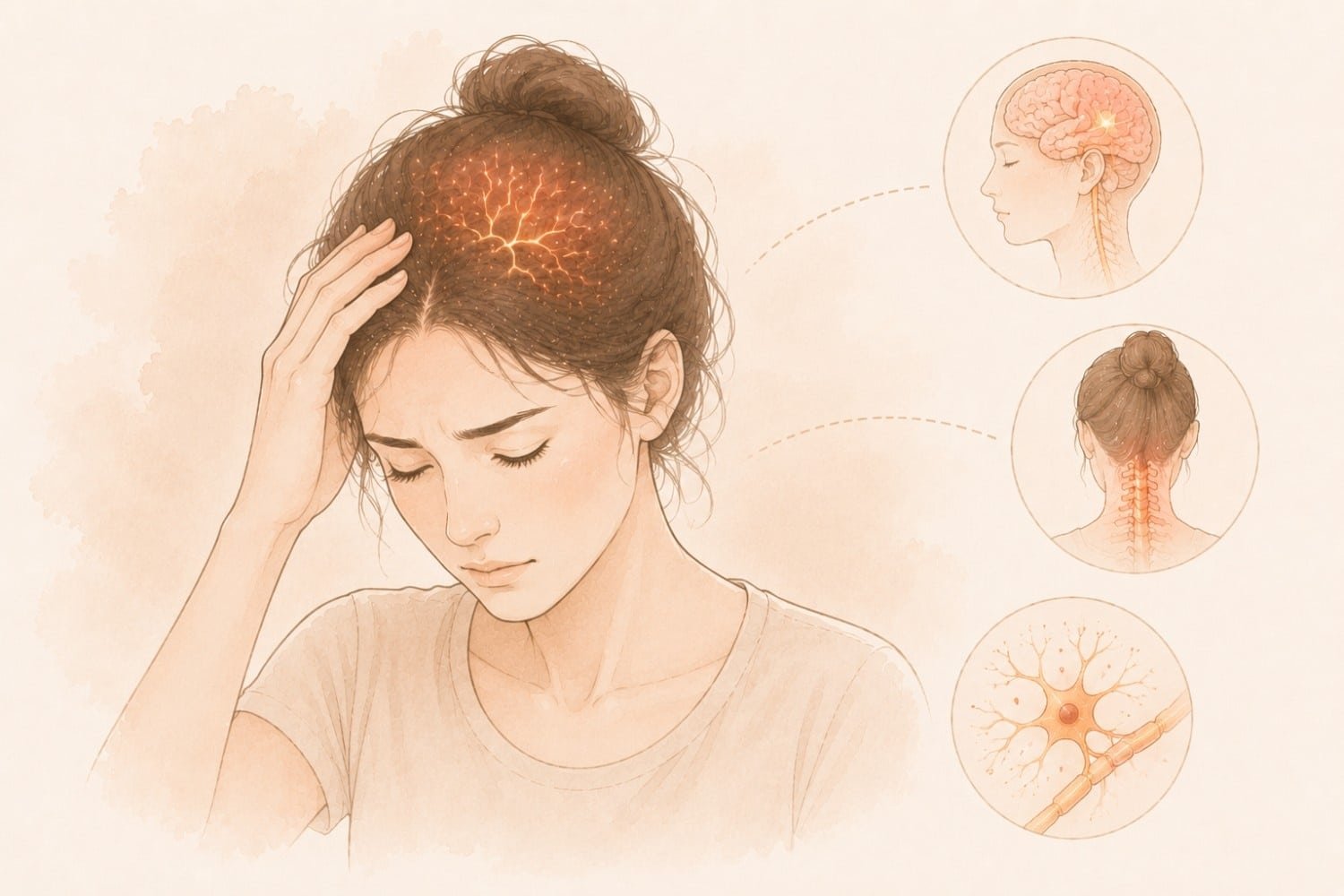
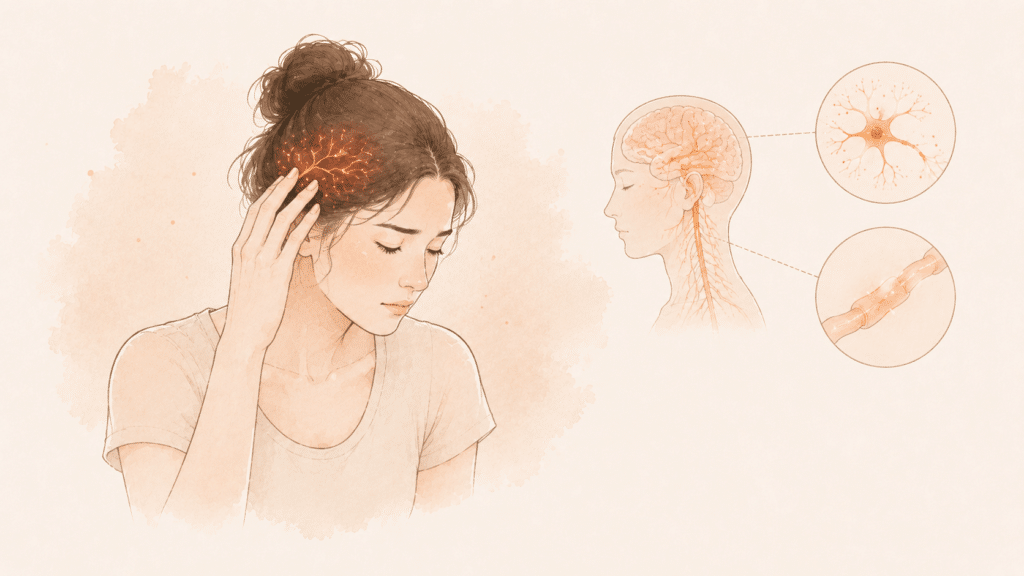
Tingling, medically called ‘paraesthesia’, is that pins-and-needles or buzzing sensation that can show up anywhere on the body, including the scalp. When it happens on the head, it usually means a nerve, blood vessel, or part of the nervous system is briefly misfiring or being irritated.
Most cases are harmless. Some are linked to migraines or stress. A small percentage point to something more neurological. The trick is knowing the difference, which I’ll break down clearly throughout the article.
Why the Head Reacts More Strongly Than Other Body Parts
The scalp and head have a dense network of nerves and blood vessels packed into a small area. Even small changes in blood flow, posture, or stress can produce dramatic sensations.
That’s why people often describe head tingling as “weirder” than other body sensations. A small misfire feels much louder up there. I’ve personally noticed mine flare up during stressful weeks or when I’ve been sitting at my desk for too long.
Common Causes of Tingling Sensation on Top of Head
Let me break down the most common reasons behind a tingling head, both from real-world experience and credible medical sources.
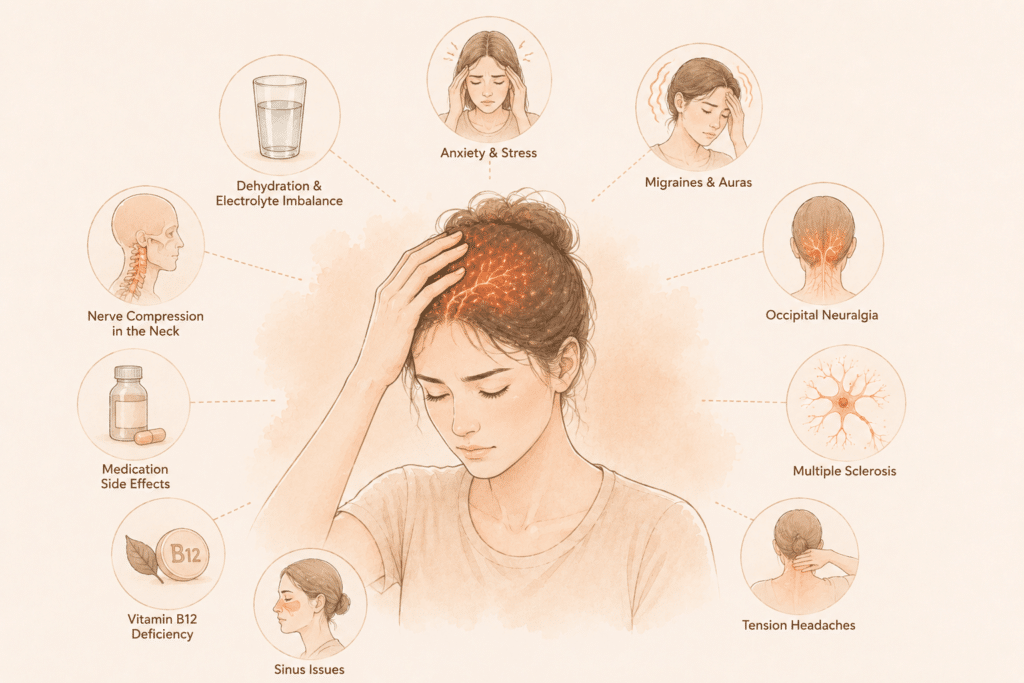
Anxiety and Stress
This is by far the most common cause. When the body is anxious, the nervous system shifts into fight-or-flight mode, making nerves hypersensitive. Combined with shallow breathing, this can easily cause buzzing, tingling, or “electric” feelings on the scalp.
I’ve personally felt my own scalp tingle during high-pressure weeks, especially before deadlines. Once stress dropped, the symptoms vanished.
Migraines and Auras
Migraines are one of the most under-recognised causes of head tingling. Some people experience tingling, numbness, or weird sensations in the scalp before or during a migraine attack. This is called an aura.
The Mayo Clinic clearly recognises sensory auras as part of certain migraine types. If your tingling shows up with light sensitivity, nausea, or visual disturbances, this could be the cause.
Occipital Neuralgia
This is a real condition where the occipital nerves at the back of the head get irritated or compressed. It can cause sharp tingling, shooting pain, or buzzing on top of the head and the back of the scalp.
It’s often triggered by neck tension, poor posture, or muscle tightness. People who work long hours at a desk are especially prone to it.
Multiple Sclerosis (MS)
MS happens when the immune system damages the protective covering of nerves, leading to nerve misfires that can show up anywhere, including the scalp. The National MS Society lists tingling as one of the most common early symptoms.
If your head tingling comes with vision problems, fatigue, or balance issues, please consult a neurologist. MS shouldn’t be self-diagnosed, but it shouldn’t be ignored either.
Tension Headaches and Muscle Tightness
Tight muscles in the neck, shoulders, and scalp can compress nerves and trigger tingling sensations. Tension headaches often come with this combination.
I personally noticed mine improve after I started stretching daily and using a better pillow. Tiny adjustments, real results.
Sinus Issues
Sinus pressure and inflammation can affect nerves around the forehead and top of the head. People with chronic sinusitis often describe scalp tingling, especially during congestion flare-ups.
Vitamin B12 Deficiency
Low B12 affects nerve function throughout the body, including the scalp. It’s especially common in vegetarians, older adults, and people on long-term acid reflux medications like omeprazole.
A simple blood test confirms it, and supplementation usually clears the symptoms quickly.
Medication Side Effects
Some medications, like SSRIs, ADHD stimulants, or seizure medications, can trigger tingling sensations as side effects. If you’ve recently started or stopped medication, this could be the link.
Don’t stop medication on your own, but mention it to your doctor.
Nerve Compression in the Neck
Cervical nerve compression can send tingling sensations into the scalp, especially the back and top of the head. Poor posture, long screen hours, and bad pillows are common triggers.
I’ve seen many desk workers experience this without realising the actual cause was sitting in their neck.
Sensory Processing Sensitivity
Some people are simply more sensitive to nerve sensations. Things like a haircut, hot water, scalp massage, or even a slight breeze can trigger tingling. This isn’t dangerous. It’s just how their nervous system is wired.
Dehydration and Electrolyte Imbalance
When the body lacks water or electrolytes, nerves become more reactive. Random scalp tingling can sometimes be one of the first signs.
A glass of water and a balanced meal usually resolve it.
Scalp Tingling vs Tingling Inside the Head: What’s the Difference?
This is where most articles skip ahead, but it genuinely matters.
If the tingling is on the scalp, it’s usually nerve-related, anxiety-driven, or linked to occipital neuralgia, sinus issues, or hair follicle sensitivity.
If the tingling feels like it’s inside the head, it’s often migraine-related, vascular, or a sensory aura. It can also point to neurological conditions in some cases.
Recognising the difference helps both you and your doctor narrow things down quickly.
Where the Tingling Happens: What the Location Tells You
The location of the tingling gives big clues about the cause.
If the tingling is on the top of the head, anxiety, tension, or migraine auras are common triggers.
If it’s on the back of the head, occipital neuralgia and neck tension top the list.
If it shifts between scalp and forehead, sinus issues or migraines may be involved.
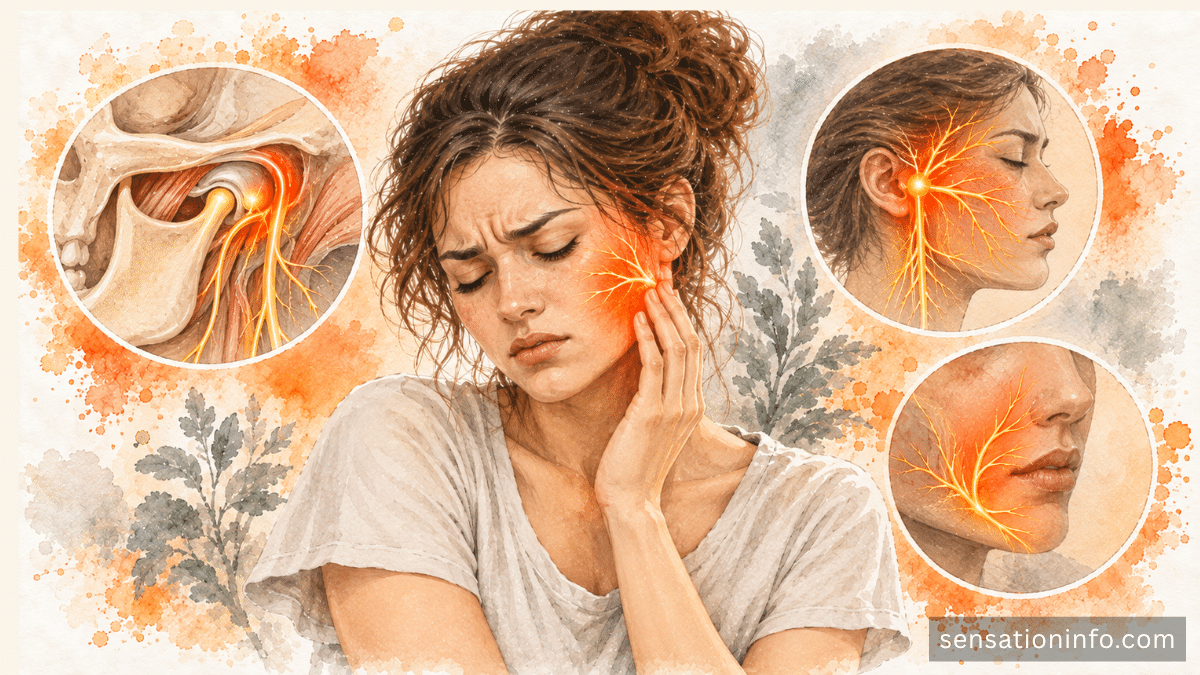
If it appears with face tingling, trigeminal nerve irritation or nerve-related issues are worth ruling out.
If it spreads to the arms or body, MS, anxiety, or systemic causes need evaluation.
This pattern-based thinking is the same approach neurologists use during a clinical exam.
When Tingling in the Head Becomes Serious
Most cases of tingling in the head are mild and treatable, but some need urgent attention.
Please get medical help immediately if your tingling appears suddenly with weakness, slurred speech, vision changes, severe headache, or facial drooping. These can be signs of a stroke or other serious neurological event.
Persistent tingling paired with weight loss, severe fatigue, or numbness elsewhere also needs proper evaluation. Trust your instincts. If something feels off, don’t wait it out.
How Doctors Diagnose Tingling in the Head
When I finally got mine evaluated, the process was thorough. Doctors usually start with a detailed history and physical exam, including a neurological assessment.
Blood tests check for B12, thyroid function, blood sugar, and inflammation. If neurological causes are suspected, MRI scans, EEG tests, or nerve conduction studies may be needed.
For migraine-related tingling, a headache specialist can help distinguish between aura types and rule out other conditions. Diagnosis isn’t guesswork. It’s clarity.
How to Stop a Tingling Sensation on the Head
Treatment depends entirely on the cause, but here’s what generally works in real-world cases.
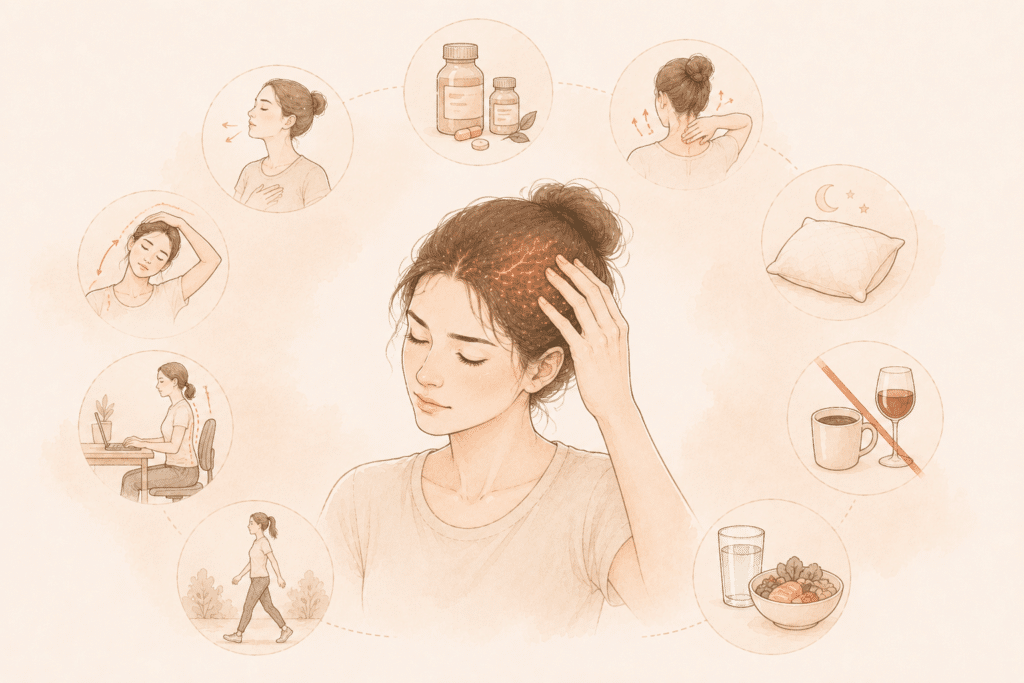
Stress and Anxiety Management
If anxiety is the trigger, slow breathing, mindfulness, and reducing caffeine help calm the nervous system. The American Lung Association supports breathing exercises like box breathing to ease nervous system tension.
I personally found that just 10 minutes of slow breathing before bed reduced my random scalp tingling significantly.
Treating the Underlying Condition
If a deficiency is the cause, supplements often clear the tingling. Migraines may need preventive medications. MS-related tingling responds to disease-modifying therapies prescribed by a neurologist.
Physical Therapy
A skilled physiotherapist can help with neck tension, occipital neuralgia, and posture-related causes. Targeted stretches and nerve gliding exercises reduce nerve irritation.
Improving Sleep and Posture
Poor sleep and bad posture both intensify head tingling. A medium-firm pillow, consistent sleep schedule, and ergonomic adjustments at your desk help more than people realise.
Reducing Caffeine and Alcohol
Both can intensify nerve sensitivity and increase migraine episodes. Cutting back, especially in the afternoon, reduces flare-ups.
Medications for Severe Cases
For nerve-related causes, doctors may prescribe gabapentin, pregabalin, or duloxetine. For occipital neuralgia, nerve blocks are sometimes used.
Always use these under medical supervision.
Hydration and Balanced Meals
Mild dehydration and unstable blood sugar mimic many anxiety and tingling symptoms. Drinking enough water and eating regularly resolves more cases than people think.
Simple Habits That Reduce Head Tingling
A few small habits genuinely help. Stretching the neck and shoulders daily, avoiding screen overuse, taking short walks, and reducing stress all reduce nerve irritation.
If your tingling is sleep-related, consider switching to a better pillow. The Sleep Foundation backs this up. Sleep posture affects nerve function more than people expect.
Frequently Asked Questions
It’s usually due to stress, posture, mild migraines, or sensory sensitivity. Most cases are harmless, but persistent ones need medical evaluation.
Yes. Hyperventilation and an overactive nervous system commonly trigger scalp tingling during stressful moments.
Not usually. Worry only when it becomes frequent, spreads, or comes with weakness, slurred speech, or vision changes.
Only when it appears suddenly with other neurological symptoms like weakness or speech issues. Otherwise, it’s rarely connected to stroke.
Final Thoughts
A tingling sensation on top of your head is uncomfortable, but it’s usually understandable once you look at the right cause. From anxiety and migraines to nerve compression and deficiencies, the causes are varied, and so are the fixes.
If your scalp keeps acting like it’s hosting a small electric circuit, don’t ignore it and don’t panic either. Track the pattern, note the triggers, and talk to a qualified doctor when needed. Your nervous system is constantly trying to communicate. The kindest thing you can do is listen.