
Introduction to Tingling After Exercise
As a medical professional, I’ve seen my fair share of patients complaining about tingling sensations after exercise. I must admit, I’ve experienced it myself during intense workouts. It’s a common phenomenon, but that doesn’t mean it should be ignored. In this article, I’ll share my expertise on how to reduce tingling after exercise, and what you can do to prevent it from happening in the first place.
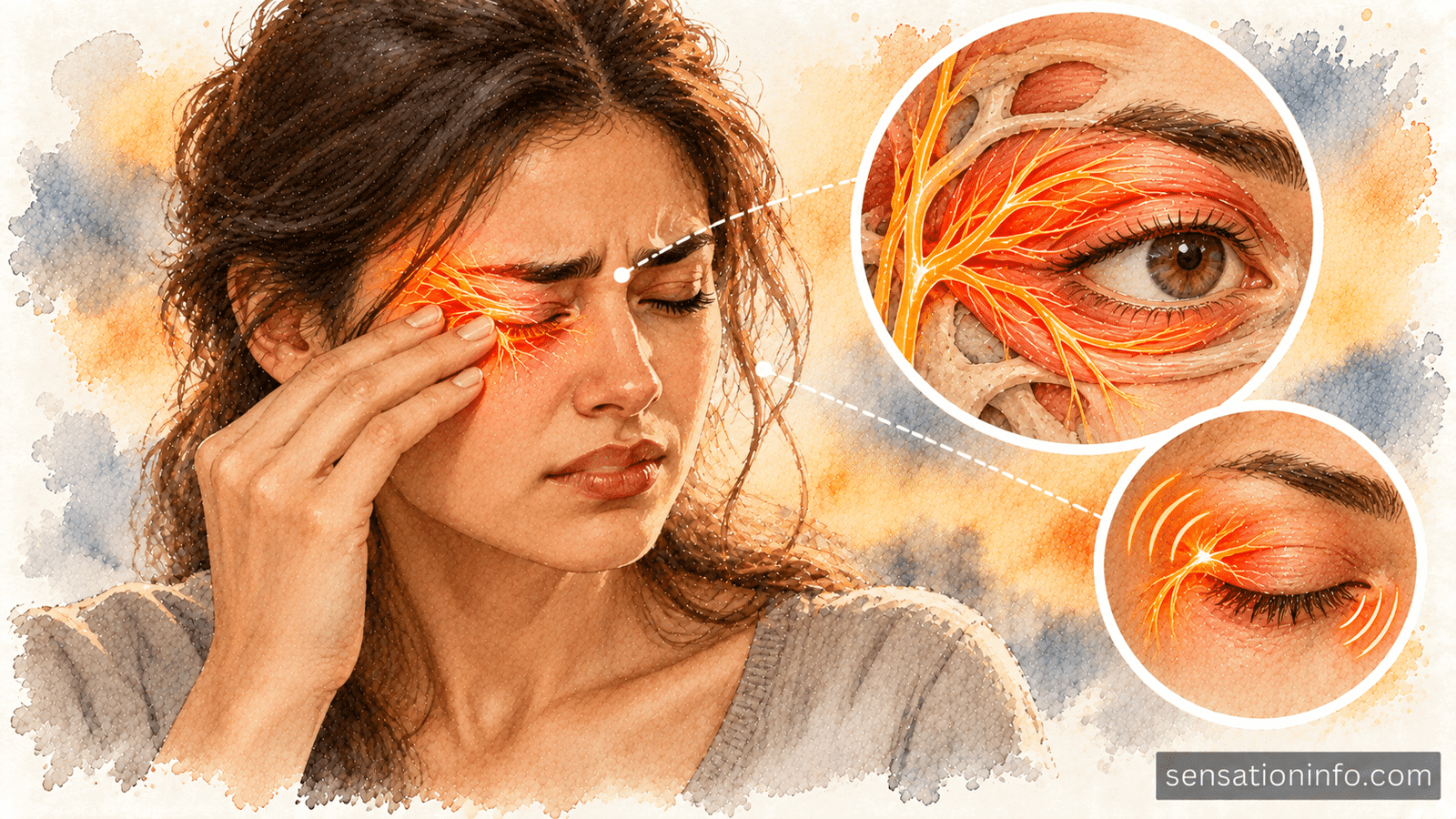
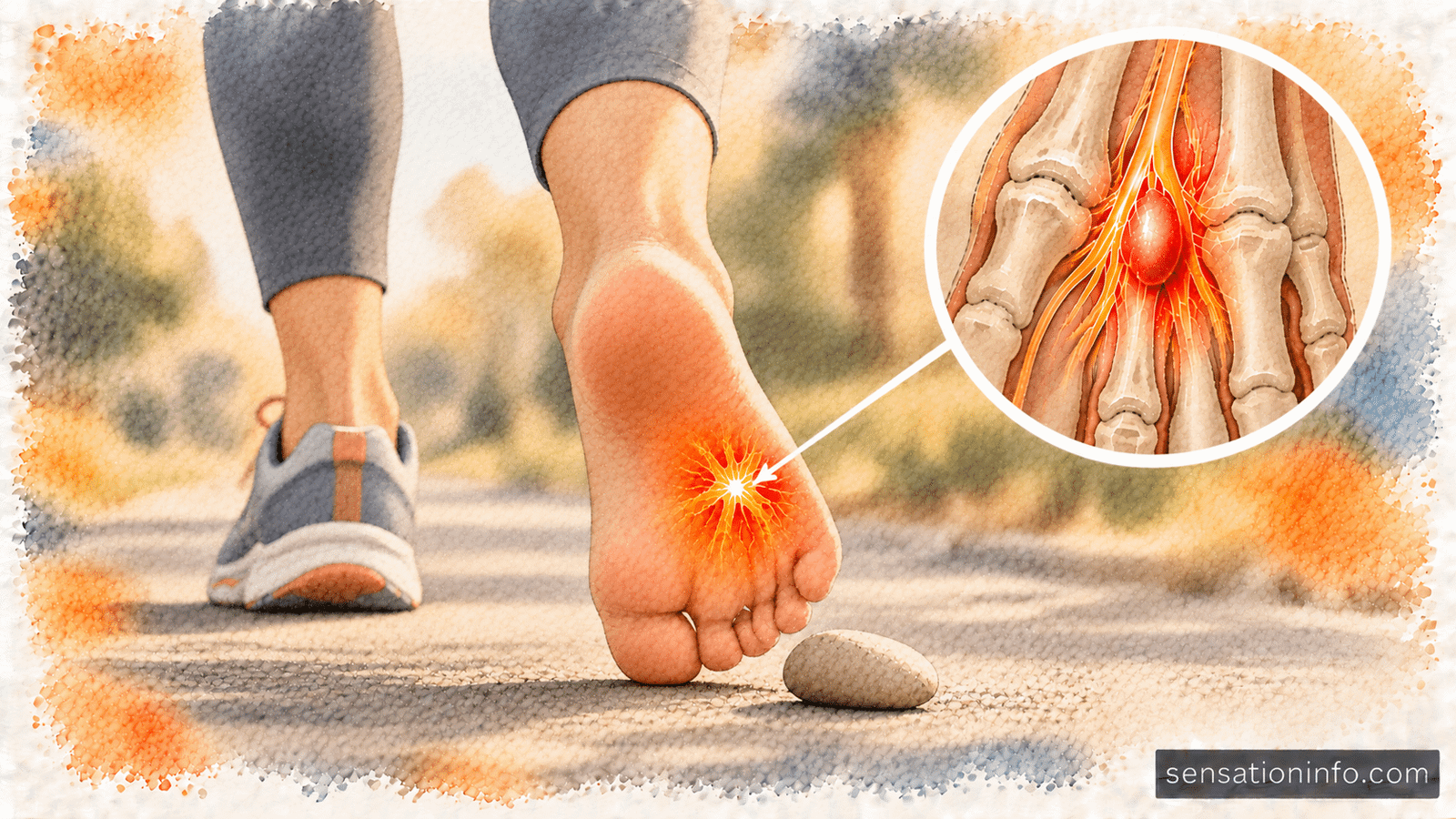
Tingling, also known as paresthesia, is a temporary numbness or prickling sensation that can occur in any part of the body. After exercise, it’s usually felt in the hands, feet, or face. While it’s often harmless, tingling can be uncomfortable and even alarming. As someone who’s passionate about fitness and wellness, I want to reassure you that there are simple and effective ways to alleviate this symptom.
In the following sections, I’ll cover the essential topics you need to know about reducing tingling after exercise. From cool-down protocols to medical reviews, symptoms checklists, and step-by-step treatments, I’ll provide you with a comprehensive guide to help you manage this issue. So, let’s get started!
Understanding Tingling After Exercise
Before we dive into the solutions, it’s essential to understand what causes tingling after exercise. There are several reasons why this happens, including:
- Poor circulation or blood flow
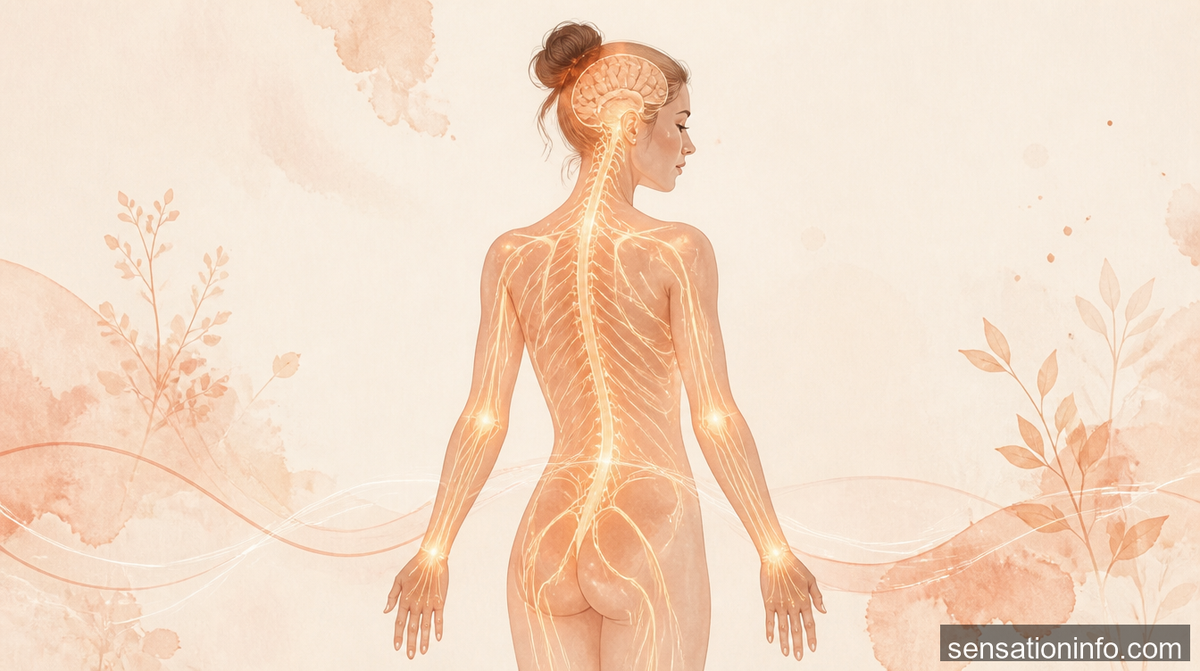
- Nerve compression or damage
- Dehydration or electrolyte imbalance
- Overexertion or muscle fatigue
It’s crucial to note that tingling can be a symptom of an underlying medical condition, such as multiple sclerosis, diabetes, or peripheral neuropathy. If you’re experiencing persistent or severe tingling, it’s vital to consult with a medical professional for a proper diagnosis and treatment.
Cool-Down Protocol
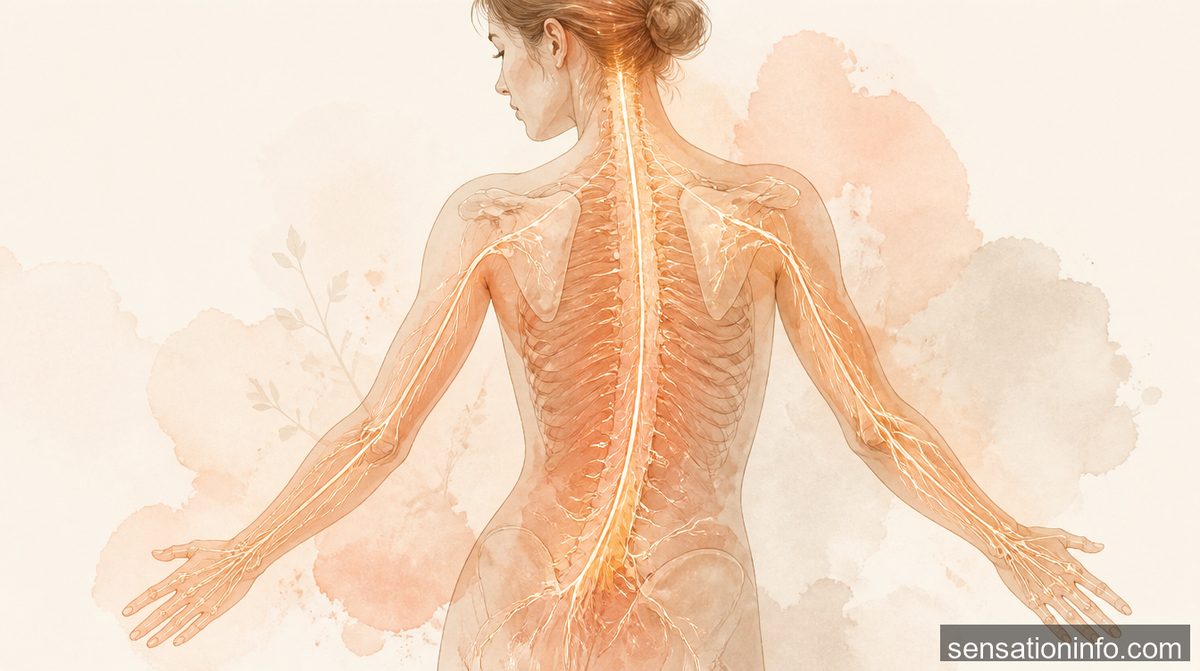
A well-structured cool-down routine can help reduce tingling after exercise. When you finish your workout, take a few minutes to stretch and gradually bring your heart rate back down. This helps prevent blood from pooling in your extremities, which can contribute to tingling.
Here’s a simple cool-down protocol you can follow:
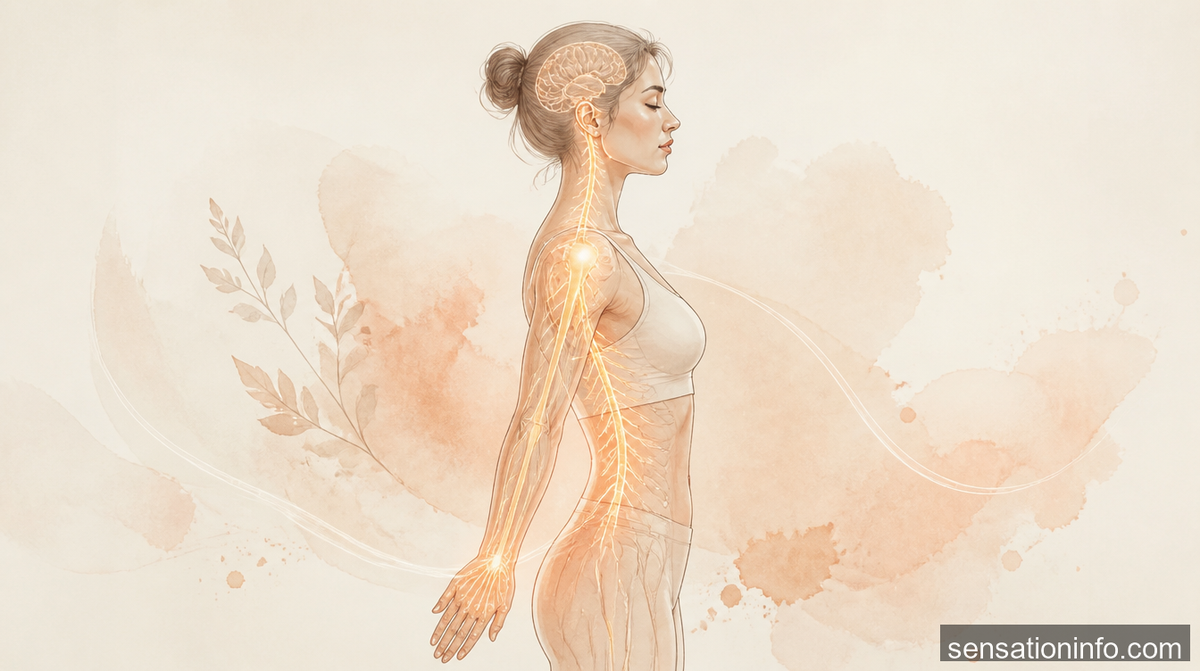
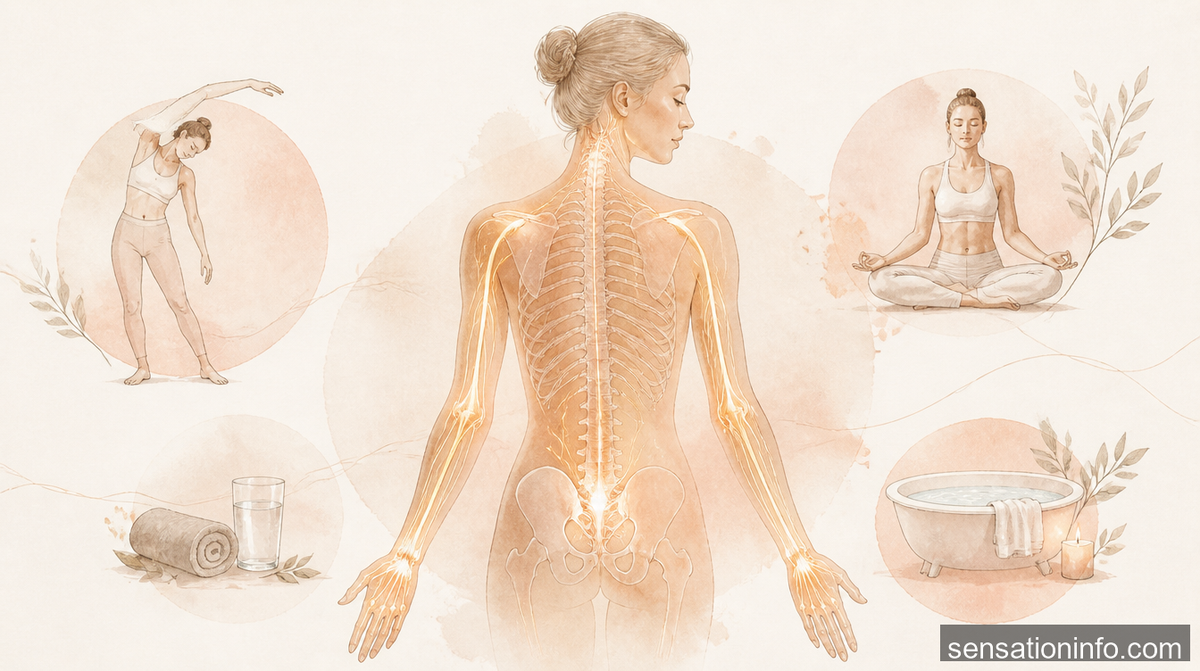
- Static stretching: Hold each stretch for 20-30 seconds and focus on the major muscle groups, such as your hamstrings, quadriceps, and chest.
- Deep breathing exercises: Take slow, deep breaths in through your nose and out through your mouth, focusing on relaxing your muscles.
- Foam rolling or self-myofascial release: Use a foam roller or your own body weight to release tension in your muscles and improve circulation.
Medical Review Note
It’s essential to consult with a medical professional if you experience any of the following:
- Severe or persistent tingling
- Numbness or weakness in your face, arm, or leg
- Difficulty speaking or swallowing
- Double vision or blurred vision
- Loss of coordination or balance
A medical review can help determine the underlying cause of your tingling and provide guidance on the best course of treatment.
Quick-Answer Box
If you’re looking for a quick solution to reduce tingling after exercise, try the following:
- Stay hydrated by drinking plenty of water before, during, and after your workout
- Avoid crossing your legs or ankles, which can compress nerves and restrict blood flow
- Take regular breaks to stretch and move around, especially during long periods of sitting or standing
- Avoid extreme temperatures, such as ice baths or saunas, which can cause blood vessels to constrict
Symptoms Checklist
If you’re experiencing any of the following symptoms, it may be related to tingling after exercise:
- Numbness or tingling in your hands, feet, or face
- Prickling or burning sensations in your skin
- Muscle weakness or fatigue
- Difficulty walking or maintaining balance
- Dizziness or lightheadedness
Causes of Tingling After Exercise
As I mentioned earlier, there are several causes of tingling after exercise. Let’s take a closer look at each of them:
- Poor circulation or blood flow: When you exercise, your heart rate increases, and your blood vessels dilate. However, if you don’t cool down properly, your blood vessels can constrict, reducing blood flow to your extremities.
- Nerve compression or damage: Nerves can become compressed or damaged during exercise, especially if you’re engaging in high-impact activities or using poor form.
- Dehydration or electrolyte imbalance: Dehydration and electrolyte imbalances can disrupt nerve function and cause tingling sensations.
- Overexertion or muscle fatigue: Pushing yourself too hard during exercise can lead to muscle fatigue, which can cause tingling and numbness.
Step-by-Step Treatment
If you’re experiencing tingling after exercise, try the following step-by-step treatment:
- Rest and relaxation: Give your body time to recover, and engage in relaxation techniques, such as deep breathing, meditation, or yoga.
- Stretching and foam rolling: Regular stretching and foam rolling can help improve circulation and reduce muscle tension.
- Hydration and electrolyte balance: Make sure to drink plenty of water and consume electrolyte-rich foods or supplements to maintain a healthy balance.
- Massage or physical therapy: Consider seeking professional massage or physical therapy to address any underlying muscle or nerve issues.
Home Remedies
In addition to the step-by-step treatment, you can try the following home remedies to reduce tingling after exercise:
- Warm or cold compresses: Apply a warm or cold compress to the affected area to improve circulation and reduce numbness.
- Epsom salt baths: Soak in an Epsom salt bath to relax your muscles and improve magnesium levels.
- Herbal supplements: Consider taking herbal supplements, such as ginger or turmeric, which have anti-inflammatory properties and can help reduce tingling.
Prevention Tips
To prevent tingling after exercise, follow these tips:
- Warm up and cool down properly: Gradually increase and decrease your intensity during workouts to prevent blood from pooling in your extremities.
- Stay hydrated: Drink plenty of water before, during, and after exercise to maintain electrolyte balance.
- Avoid extreme temperatures: Avoid exposing yourself to extreme temperatures, such as ice baths or saunas, which can cause blood vessels to constrict.
- Listen to your body: If you experience any tingling or numbness during exercise, stop and rest to prevent further discomfort.
Frequently Asked Questions
The most common cause of tingling after exercise is poor circulation or blood flow. When you exercise, your heart rate increases, and your blood vessels dilate. However, if you don’t cool down properly, your blood vessels can constrict, reducing blood flow to your extremities.
To prevent tingling after exercise, make sure to warm up and cool down properly, stay hydrated, and avoid extreme temperatures. It’s also essential to listen to your body and stop exercising if you experience any tingling or numbness.
The symptoms of tingling after exercise can include numbness or tingling in your hands, feet, or face, prickling or burning sensations in your skin, muscle weakness or fatigue, difficulty walking or maintaining balance, and dizziness or lightheadedness.
Yes, tingling after exercise can be a sign of an underlying medical condition, such as multiple sclerosis, diabetes, or peripheral neuropathy. If you experience persistent or severe tingling, it’s essential to consult with a medical professional for a proper diagnosis and treatment.
Tingling after exercise can last anywhere from a few minutes to several hours, depending on the severity of the symptom and the effectiveness of the treatment. In most cases, tingling after exercise is temporary and resolves on its own with rest and relaxation.
When to See a Doctor
If you experience any of the following, seek medical attention immediately:
- Severe or persistent tingling
- Numbness or weakness in your face, arm, or leg
- Difficulty speaking or swallowing
- Double vision or blurred vision
- Loss of coordination or balance
Sources
For more information on tingling after exercise, consult the following sources:
- American Heart Association: “Exercise and Circulation”
- Mayo Clinic: “Tingling: Causes and Treatment”
- National Institute of Neurological Disorders and Stroke: “Peripheral Neuropathy”
Hydration and Breathing
Proper hydration and breathing are essential for reducing tingling after exercise. Make sure to drink plenty of water before, during, and after your workout, and practice deep breathing exercises to help your body recover.
Concerning Signs
If you experience any of the following concerning signs, seek medical attention immediately:
- Sudden or severe tingling or numbness
- Difficulty speaking or swallowing
- Double vision or blurred vision
- Loss of coordination or balance
- Chest pain or shortness of breath
Final Thoughts
Tingling after exercise is a common phenomenon, but it’s essential to take it seriously and address the underlying causes. By following the tips and guidelines outlined in this article, you can reduce your risk of experiencing tingling after exercise and maintain optimal health and wellness. Remember to always listen to your body and seek medical attention if you experience any concerning signs or symptoms.
As a medical professional, I want to reassure you that tingling after exercise is usually temporary and treatable. However, it’s crucial to prioritize your health and take proactive steps to prevent and manage this symptom. Stay hydrated, warm up and cool down properly, and listen to your body – your health and wellness depend on it.
In conclusion, reducing tingling after exercise requires a combination of proper hydration, breathing, and exercise techniques. By incorporating these tips into your fitness routine, you can minimize your risk of experiencing tingling and maintain optimal health and wellness. Remember to always consult with a medical professional if you have any concerns or questions – your health is worth it.
Article written by Dr Peeyush Kumawat at Sensationinfo.com