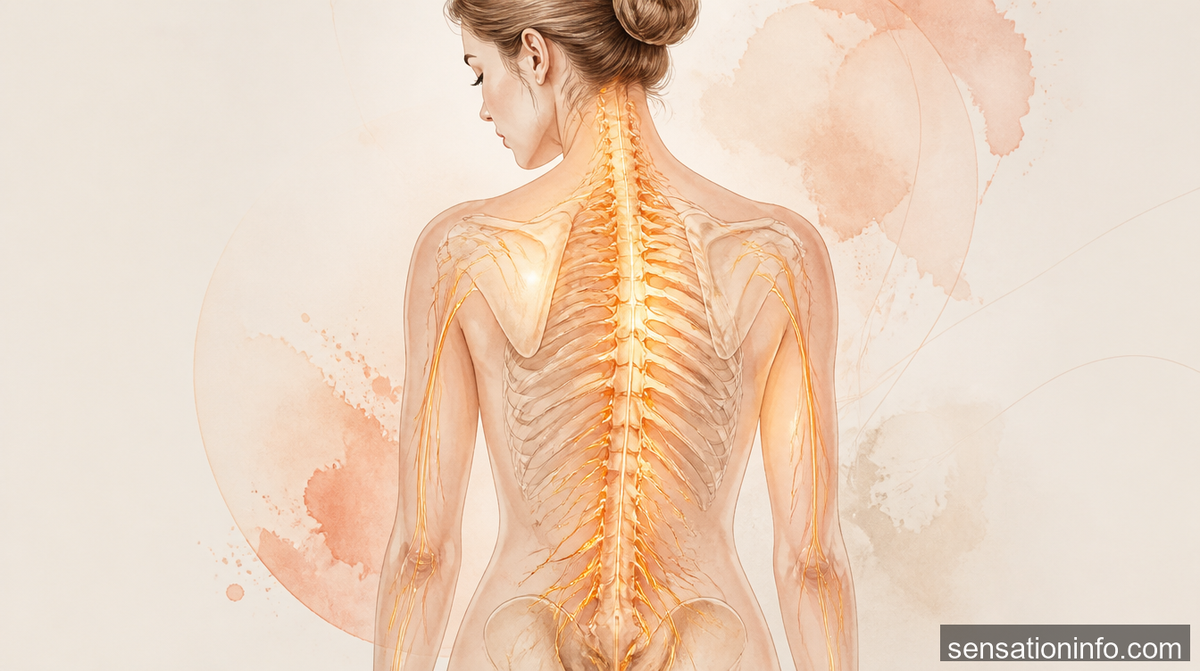

As someone who’s worked with numerous patients experiencing tingling in their back and spine, I can confidently say it’s a sensation that’s both unsettling and debilitating. The feeling of pins and needles, or even a burning sensation, can be overwhelming and affect your daily life. In this article, I’ll share my expertise on how to relieve tingling in the back and spine, covering the best practices, home remedies, and when to seek medical attention.
I remember a patient who came to me with severe tingling in her lower back. She had tried everything from painkillers to physical therapy, but nothing seemed to work. After a thorough examination, I discovered that her posture was the main culprit. She was slouching, which put pressure on her spine and nerves, causing the tingling sensation. With some simple posture corrections and stretches, she was able to find relief. This experience taught me the importance of addressing the root cause of the problem, rather than just treating the symptoms.
As we delve into the world of tingling in the back and spine, it’s essential to understand that this condition can be caused by various factors, including poor posture, nerve compression, and underlying medical conditions. In some cases, tingling can be a symptom of a more serious condition, such as a herniated disc or shingles. That’s why it’s crucial to consult with a medical professional if you’re experiencing persistent or severe tingling. In my experience, a thorough medical review is essential to determine the underlying cause of the tingling and develop an effective treatment plan.
Quick-Answer Box
If you’re looking for a quick solution to relieve tingling in your back and spine, here are some immediate steps you can take:
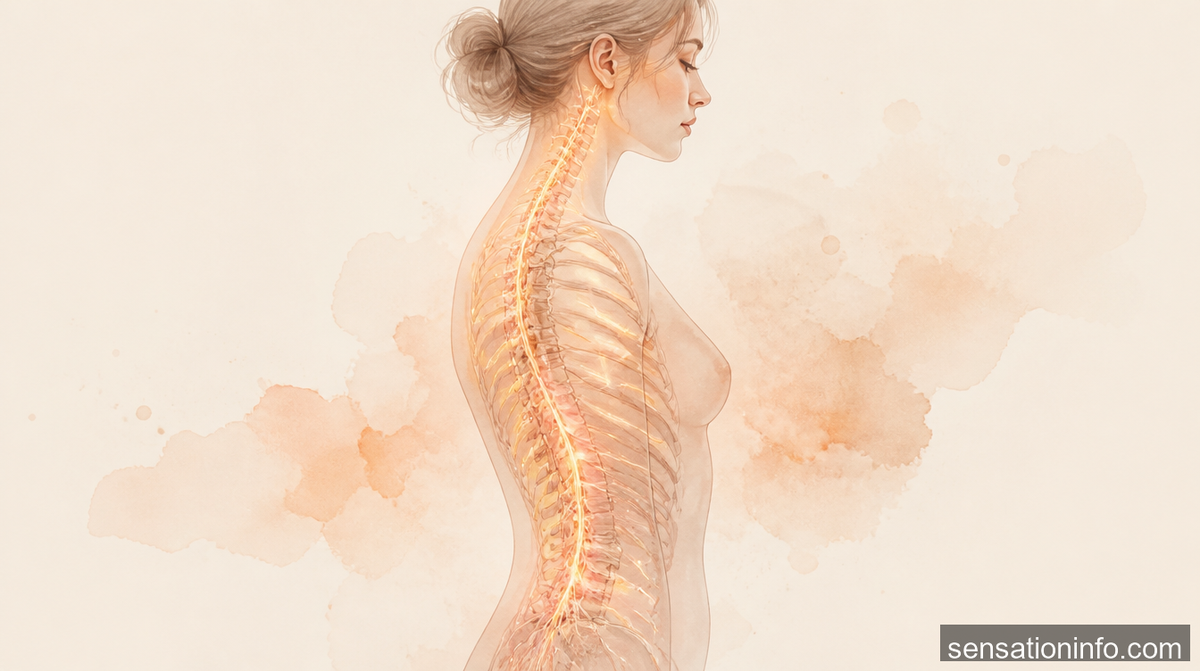
- Improve your posture: Make sure to stand and sit up straight to reduce pressure on your spine and nerves.
- Stretch regularly: Engage in gentle stretching exercises to loosen up your muscles and improve blood flow.
- Apply heat or cold: Use a warm bath, heating pad, or ice pack to help relax your muscles and reduce tingling.
Symptoms Checklist
Before we dive into the causes and treatment options, let’s take a look at some common symptoms associated with tingling in the back and spine:
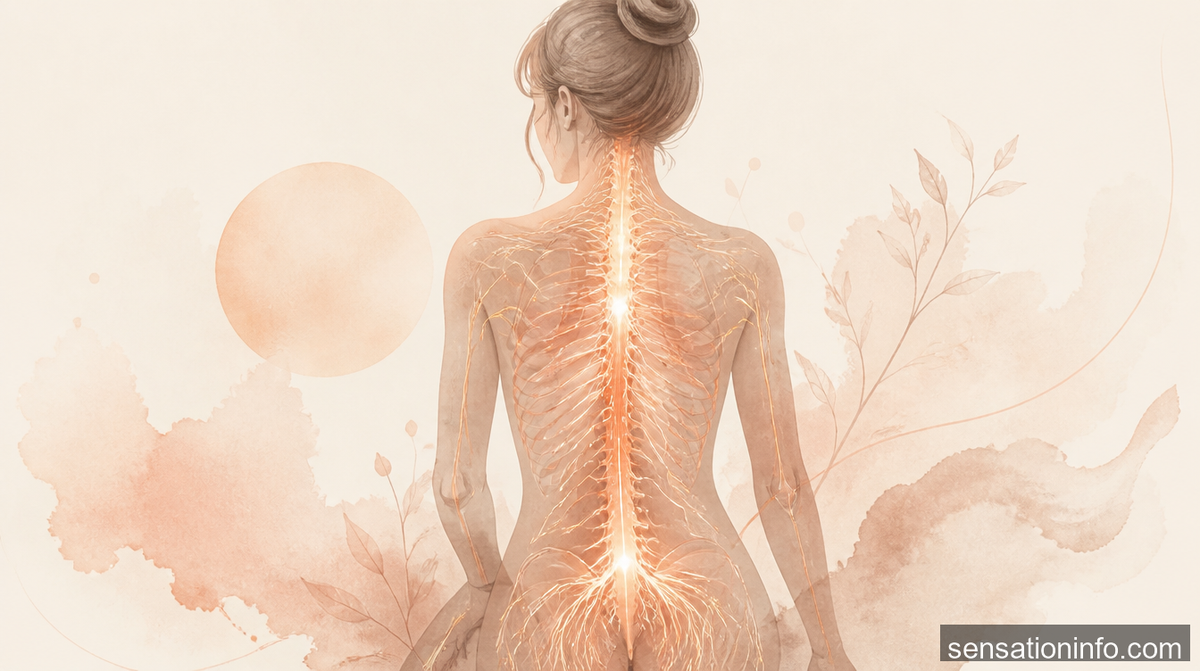
- Numbness or tingling sensation in the back, arms, or legs
- Burning or itching sensation
- Weakness or fatigue in the muscles
- Sharp pains or aching in the back or spine
- Limited mobility or stiffness
Causes of Tingling in the Back and Spine
Tingling in the back and spine can be caused by a variety of factors, including:
- Poor posture: Slouching or slumping can put pressure on your spine and nerves, leading to tingling.
- Nerve compression: Compression of the nerves in the spine can cause tingling, numbness, and pain.
- Herniated discs: A herniated disc can put pressure on the nerves, leading to tingling and numbness.
- Shingles: Shingles can cause tingling, burning, and numbness in the back and spine.
- Underlying medical conditions: Certain medical conditions, such as diabetes, multiple sclerosis, and peripheral neuropathy, can cause tingling in the back and spine.
Step-by-Step Treatment
To relieve tingling in the back and spine, follow these step-by-step treatment options:
- Improve your posture: Make sure to stand and sit up straight to reduce pressure on your spine and nerves.
- Stand with your feet shoulder-width apart and engage your core muscles to support your spine.
- Sit with your back straight and your feet flat on the floor or a footrest.
- Stretch regularly: Engage in gentle stretching exercises to loosen up your muscles and improve blood flow.
- Start with simple stretches like neck rolls, shoulder rolls, and chest opens.
- Gradually move on to more advanced stretches like cat-cow stretches and downward-facing dog.
- Apply heat or cold: Use a warm bath, heating pad, or ice pack to help relax your muscles and reduce tingling.
- Apply heat for 15-20 minutes, followed by 10-15 minutes of cold.
- Repeat this process several times a day.
Home Remedies
In addition to the step-by-step treatment options, here are some home remedies you can try to relieve tingling in the back and spine:
- Massage therapy: Massage can help relax your muscles, improve blood flow, and reduce tingling.
- Acupuncture: Acupuncture can help stimulate blood flow, reduce inflammation, and relieve tingling.
- Herbal remedies: Certain herbs like turmeric, ginger, and willow bark have anti-inflammatory properties that can help reduce tingling.
Prevention Tips
To prevent tingling in the back and spine, follow these prevention tips:
- Maintain good posture: Make sure to stand and sit up straight to reduce pressure on your spine and nerves.
- Exercise regularly: Engage in regular exercise to strengthen your muscles and improve blood flow.
- Manage stress: Stress can exacerbate tingling, so make sure to manage your stress levels through relaxation techniques like meditation and deep breathing.
Frequently Asked Questions
Tingling in the back and spine can be caused by a variety of factors, including poor posture, nerve compression, herniated discs, shingles, and underlying medical conditions.
To relieve tingling in your back and spine, try improving your posture, stretching regularly, and applying heat or cold. You can also try home remedies like massage therapy, acupuncture, and herbal remedies.
If you’re experiencing persistent or severe tingling, numbness, or pain in your back and spine, it’s essential to consult with a medical professional. They can help determine the underlying cause of your symptoms and develop an effective treatment plan.
Yes, tingling in the back and spine can be a symptom of a more serious condition, such as a herniated disc or shingles. That’s why it’s crucial to consult with a medical professional if you’re experiencing persistent or severe symptoms.
To prevent tingling in your back and spine, maintain good posture, exercise regularly, and manage stress. You can also try home remedies like massage therapy and herbal remedies to help reduce inflammation and improve blood flow.
When to See a Doctor
If you’re experiencing any of the following symptoms, it’s essential to consult with a medical professional:
- Persistent or severe tingling, numbness, or pain in the back and spine
- Weakness or fatigue in the muscles
- Limited mobility or stiffness
- Difficulty controlling bladder or bowel functions
Sources
- American Association of Neurological Surgeons. (2020). Herniated Disc.
- National Institute of Neurological Disorders and Stroke. (2020). Shingles.
- Mayo Clinic. (2020). Peripheral Neuropathy.
Disc vs Shingles Note
It’s essential to note that tingling in the back and spine can be a symptom of both a herniated disc and shingles. While a herniated disc can cause tingling, numbness, and pain in the back and spine, shingles can cause a burning, itching, or tingling sensation in the affected area. If you’re experiencing any of these symptoms, it’s crucial to consult with a medical professional to determine the underlying cause.
Heat/Ice Steps
To apply heat or cold to relieve tingling in the back and spine, follow these steps:
- Apply heat: Use a warm bath, heating pad, or warm compress to apply heat to the affected area.
- Apply cold: Use an ice pack, cold compress, or cold bath to apply cold to the affected area.
- Alternate between heat and cold: Alternate between heat and cold to help reduce inflammation and relieve tingling.
Final Thoughts
Relieving tingling in the back and spine requires a comprehensive approach that includes improving posture, stretching regularly, and applying heat or cold. By following these steps and trying home remedies, you can find relief from tingling and improve your overall spinal health. Remember to consult with a medical professional if you’re experiencing persistent or severe symptoms, as they can help determine the underlying cause and develop an effective treatment plan. As someone who’s worked with numerous patients, I can confidently say that with the right approach, you can find relief from tingling and live a healthier, happier life.
In conclusion, tingling in the back and spine is a common condition that can be caused by various factors. By understanding the causes, symptoms, and treatment options, you can take the first step towards relieving your symptoms and improving your overall health. Remember to always consult with a medical professional if you’re experiencing persistent or severe symptoms, and don’t hesitate to try home remedies and prevention tips to reduce your risk of developing tingling in the back and spine. With the right approach and a little patience, you can find relief from tingling and live a life free from pain and discomfort.
Article written by Dr Peeyush Kumawat at Sensationinfo.com