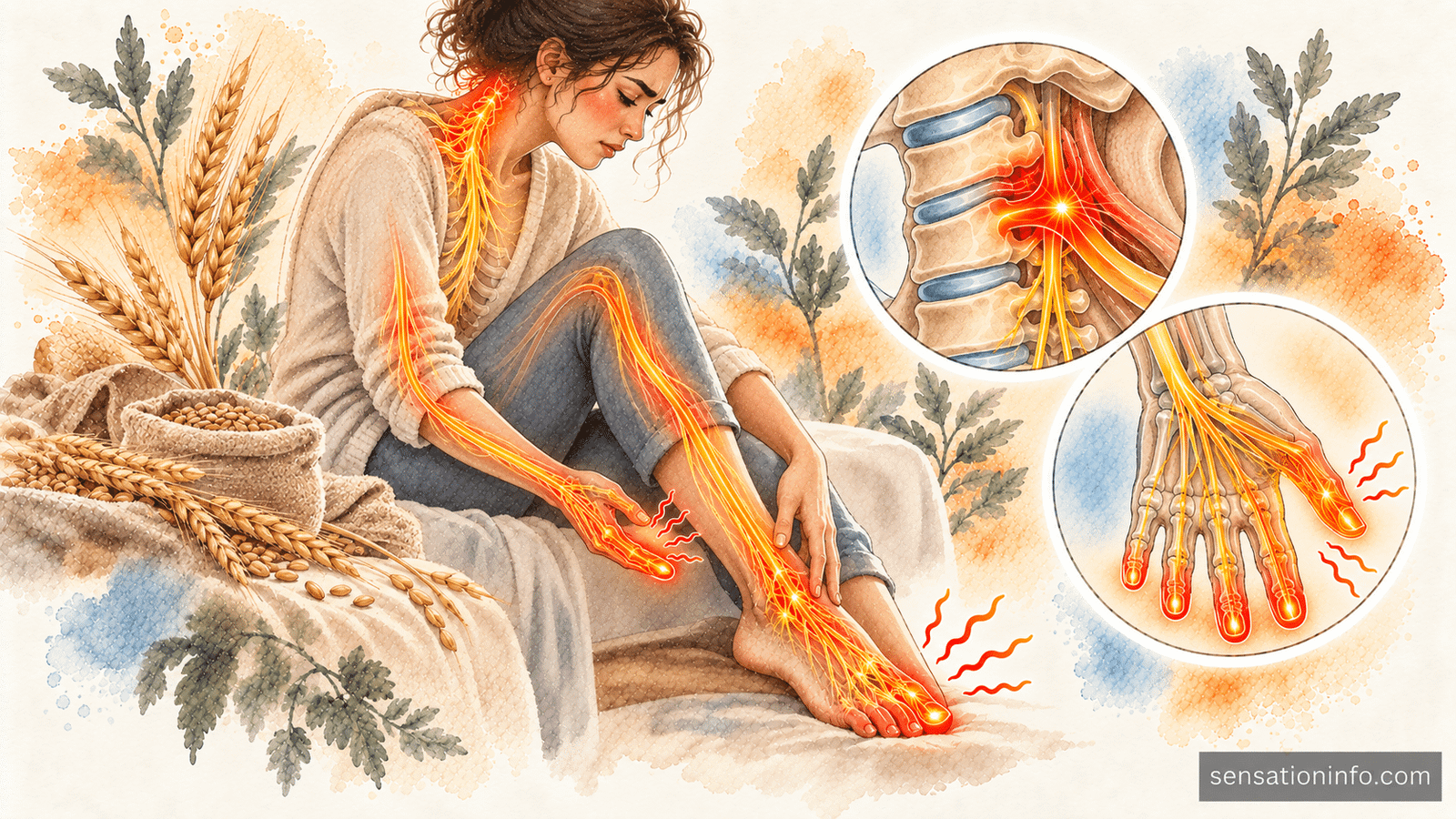

Gluten neuropathy occurs when your immune system reacts to gluten by mistakenly attacking your own peripheral nerves. If you have celiac disease or a severe sensitivity to gluten, consuming wheat or barley triggers systemic inflammation that physically damages the delicate nerve endings in your extremities.
Left unchecked, this autoimmune response often leads to a frustrating progression of constant numbness, tingling, and burning pain in your hands and feet that will continue to worsen over time until the underlying dietary trigger is strictly eliminated.
What Does Gluten Neuropathy Feel Like?
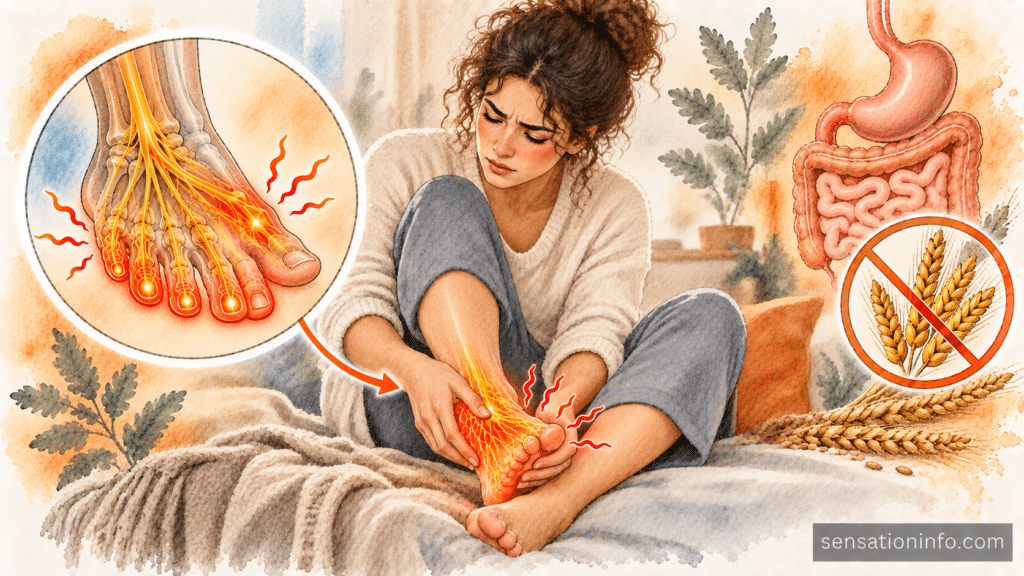
People with this condition typically experience symptoms in their toes and fingers first. The sensations often move slowly up the legs and arms. You might feel a constant prickling feeling or a deep burning ache. Some people lose their ability to feel hot and cold temperatures accurately.
If you are experiencing persistent tingling and numbness in your extremities, gluten could be an overlooked trigger. The pain often flares up at night and can make it difficult to fall asleep. You might also feel as though you are wearing invisible socks or gloves that dull your sense of touch.
How Does Celiac Disease Cause Nerve Damage?
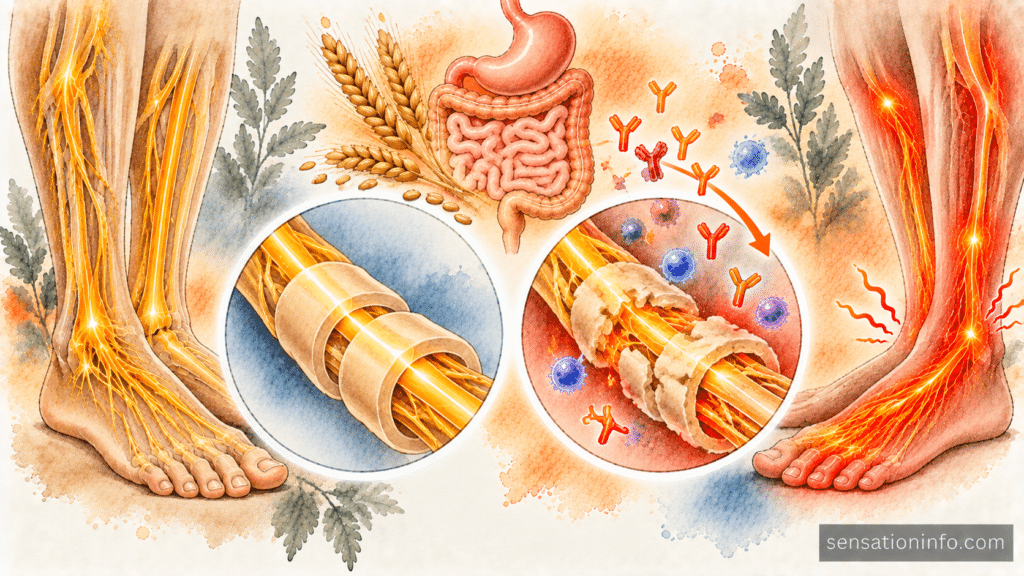
Celiac disease is a serious autoimmune condition where your immune system mistakenly attacks your own tissues when you eat gluten. This immune response creates tissue transglutaminase antibodies that can directly attack nerve cells. The resulting inflammation damages the protective coating around your nerves.
Another major factor is malabsorption. Celiac disease damages the delicate lining of your small intestine. This prevents your body from absorbing essential nutrients from your food. A lack of crucial vitamins directly starves your nervous system. If you have a damaged gut, you are at high risk for nerve tingling caused by low vitamin B12 along with deficiencies in vitamin E and copper.
Gluten Sensitivity vs Celiac Disease
You do not need a celiac disease diagnosis to experience gluten neuropathy. Many people have non celiac gluten sensitivity. This means they test negative for celiac disease but still experience severe symptoms when eating wheat or barley.
Research from the National Institutes of Health indicates that up to 22 percent of people with celiac disease develop neurological issues, and people with simple gluten sensitivity are also at high risk. Your immune system can still produce antibodies that attack nerve tissue even without damaging your digestive tract.
Types of Nerve Damage Linked to Gluten
Gluten neuropathy typically takes two different forms depending on which nerves are damaged.
| Neuropathy Type | Areas Affected | Primary Symptoms |
| Sensorimotor Polyneuropathy | Both sides of the body equally | Numbness, loss of reflexes, mild muscle weakness |
| Small Fiber Neuropathy | Tiny nerve endings in the skin | Intense burning, electric shock pain, temperature sensitivity |
If you experience severe burning or prickling nerve pain without any muscle weakness, you might have small fiber nerve involvement. This type of nerve damage requires specific testing to diagnose accurately.
Conditions Often Confused With Gluten Neuropathy
Many other medical issues cause the exact same burning and tingling sensations as a gluten reaction. Your doctor must rule out these common culprits before blaming your diet entirely.
The most frequent mimic is diabetic neuropathy. Chronically high blood sugar damages delicate nerve fibers in the exact same pattern as celiac disease. An underactive thyroid gland can also cause severe tingling. Thyroid problems slow down your metabolism and lead to fluid retention that compresses your peripheral nerves.
Heavy alcohol consumption is another major cause of toxic nerve damage. If you drink regularly, the alcohol can poison your nerve endings directly while also depleting your B vitamins. Your medical team will test for all these conditions to ensure you get the correct diagnosis.
Warning Signs and When to See a Doctor
Nerve damage can become permanent if left untreated. Seek immediate medical care if you notice any of these serious red flags:
- Sudden weakness in your legs or arms
- Complete loss of bowel or bladder control
- Severe pain that prevents you from sleeping
- Numbness that spreads quickly past your knees or elbows
- Difficulty walking or keeping your balance
Diagnosis and Testing
Doctors use several specific tests to find the root cause of your nerve pain. When understanding the root causes of nerve damage, a neurologist will likely order blood tests to check for celiac antibodies and specific vitamin deficiencies.
They may also perform a nerve conduction study. This test uses mild electrical pulses to see exactly how fast your nerves send signals to your brain. A small skin biopsy might be necessary to check the density of your nerve fibers if standard tests come back normal.
Treatment and Management

The most important treatment for gluten neuropathy is a strict gluten free diet. Removing all traces of gluten stops your immune system from attacking your nerves. This diet requires reading labels carefully to avoid hidden wheat, barley, and rye in processed foods.
Your doctor will also treat any nutritional deficiencies immediately. They may prescribe oral supplements or vitamin injections to bypass your damaged intestine. For immediate pain relief, doctors often prescribe nerve pain medications like gabapentin (Neurontin) or pregabalin (Lyrica) to calm the overactive pain signals.
Will the Nerve Damage Go Away?
Nerves heal very slowly compared to other tissues in your body. Once you start a strict gluten free diet, it can take six months to a full year before you notice significant improvements in your nerve pain.
Some nerve damage may be permanent if the condition went untreated for several years. However, eliminating gluten entirely will usually stop the gluten neuropathy from getting any worse. Adhering strictly to your diet is the absolute best way to protect your remaining nerve function.
Key Takeaways
- Gluten neuropathy is a specific type of nerve damage caused by your body reacting to wheat, barley, and rye.
- The condition often feels like burning, tingling, or numbness starting in your toes and fingers.
- Celiac disease harms nerves through both direct autoimmune attacks and vitamin malabsorption.
- Adopting a strict gluten free diet is the primary medical treatment to stop further nerve destruction.
- Healing takes many months, and some sensory loss may remain permanent depending on how long you went undiagnosed.
Frequently Asked Questions
Yes, people with non celiac gluten sensitivity can develop neuropathy. Even without intestinal damage, your immune system can produce antibodies that attack your peripheral nerves when you consume gluten.
Nerves heal very slowly. It typically takes six to twelve months of strict dietary adherence to see noticeable improvement in pain and tingling.
If caught early, the symptoms can improve significantly and sometimes resolve entirely. However, if the nerve damage was left untreated for years, some numbness or pain may be permanent.
Doctor’s Recommendation
If you have adopted a strict gluten free diet but your nerve pain continues to worsen, it is critical to consult a specialist who can evaluate other underlying causes of nerve damage. I highly recommend reviewing our directory of Neuropathy Specialists in the USA to find a board certified neurologist near you. A specialist can perform advanced nerve conduction studies to determine exactly how much damage has occurred and offer targeted prescription therapies to help manage your daily pain.
References
National Institutes of Health. Neurological Manifestations of Celiac Disease. PubMed Central. 2019.
Cleveland Clinic. Small Fiber Neuropathy. Cleveland Clinic Health Library. 2022.