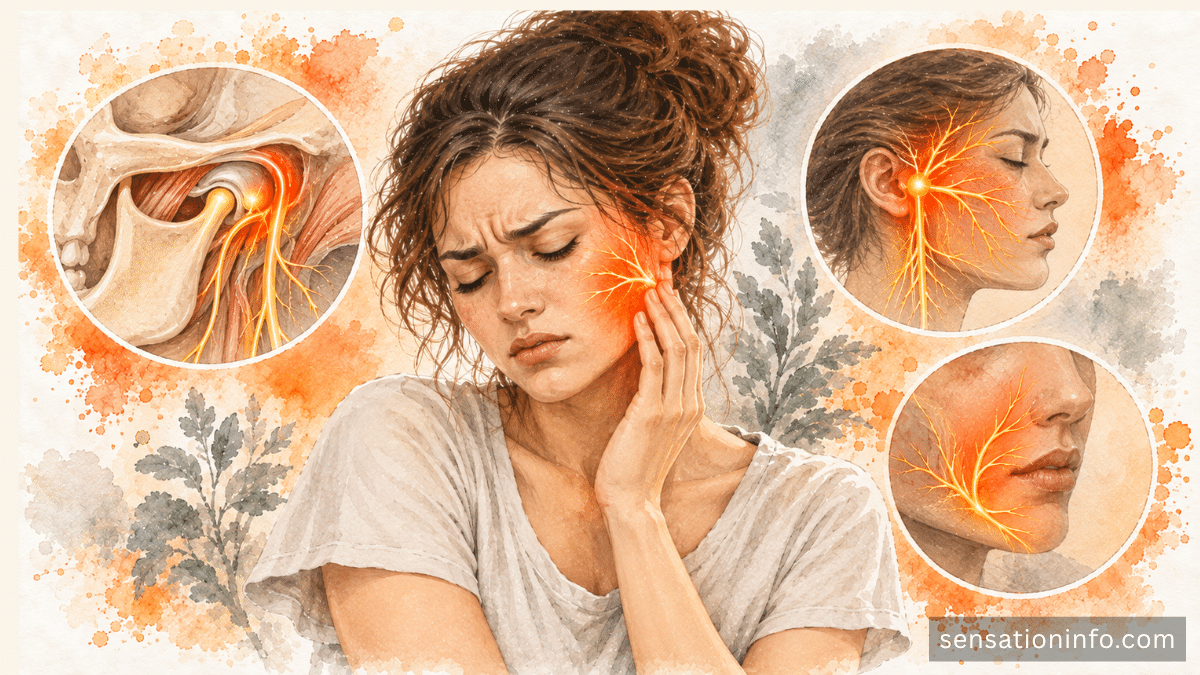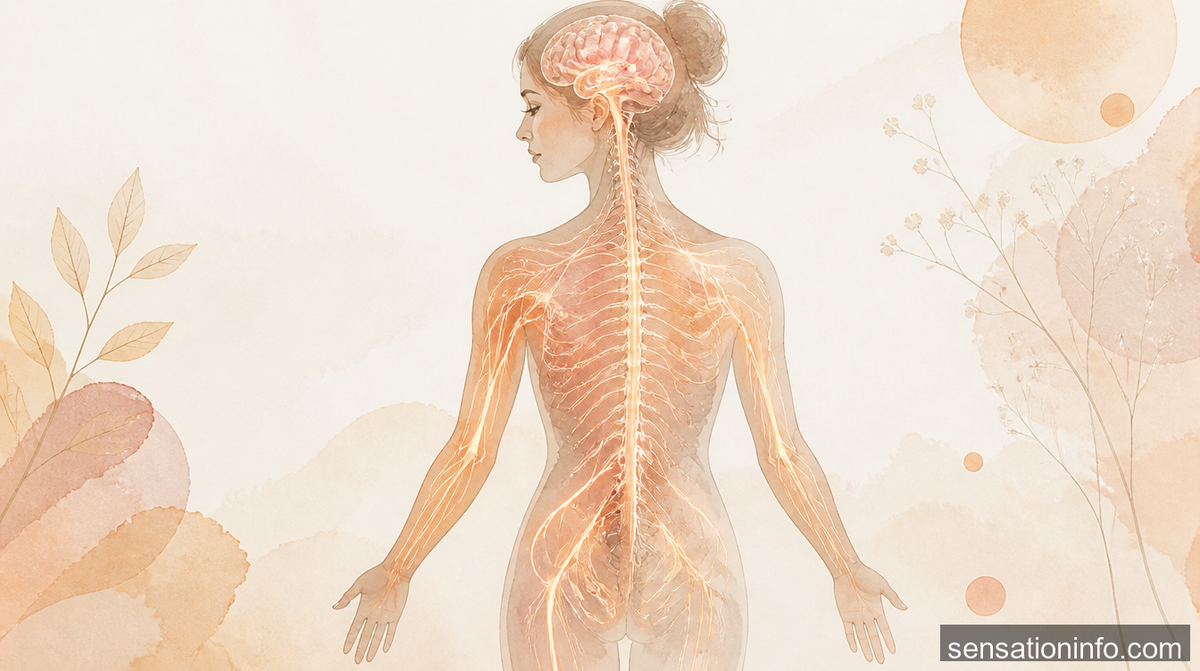

Understanding the Mysterious World of Sensations: What is a Learning Sensation?
As I sit here, reflecting on my years of experience as a medical professional, I am reminded of the vast and intricate landscape of human sensations. From the simplest touch to the most complex emotional responses, our bodies are wired to perceive and interpret a wide range of stimuli. But have you ever stopped to think about the sensations that occur when we learn something new? This phenomenon, known as a “learning sensation,” is a fascinating topic that has piqued my interest and inspired me to delve deeper into the world of neuroscience and psychology.
I recall a particularly memorable experience from my medical school days, when I was studying for a critical exam. As I poured over my notes, trying to commit complex concepts to memory, I felt a strange, tingling sensation in my head. It was as if my brain was buzzing with excitement, and I could almost feel the connections forming between different pieces of information. This sensation was both exhilarating and intimidating, and it left me wondering: what exactly is happening in our brains when we experience a learning sensation?
As I began to explore this topic further, I discovered that the concept of a learning sensation is still not fully understood. However, researchers have made some interesting discoveries that shed light on the neural mechanisms underlying this phenomenon. It appears that when we learn something new, our brains release a cocktail of neurotransmitters, including dopamine, serotonin, and acetylcholine. These chemicals play a crucial role in regulating our mood, motivation, and attention, and they can create a range of sensations, from feelings of pleasure and excitement to sensations of calmness and focus.
The Science Behind Learning Sensations
So, what exactly is a learning sensation? To answer this question, let’s take a closer look at the science behind it. When we learn something new, our brains are creating new connections between neurons, a process known as neuroplasticity. This process involves the formation of new synapses, the strengthening of existing ones, and the elimination of redundant or unnecessary connections. As our brains reorganize and adapt to new information, we may experience a range of sensations, from the thrill of discovery to the satisfaction of mastering a new skill.
One of the key players in the learning sensation phenomenon is dopamine, a neurotransmitter that is often referred to as the “reward molecule.” Dopamine is released in response to novel and pleasurable experiences, and it plays a crucial role in motivating us to learn and explore. When we experience a learning sensation, it’s often accompanied by a surge of dopamine, which reinforces the behavior and motivates us to continue learning.
Another important factor in the learning sensation phenomenon is the role of emotions. When we learn something new, we often experience a range of emotions, from excitement and curiosity to frustration and anxiety. These emotions can amplify or diminish the learning sensation, and they can also influence our motivation to continue learning. For example, if we experience a sense of flow or enjoyment while learning, we are more likely to persist and engage with the material, even when faced with challenges.
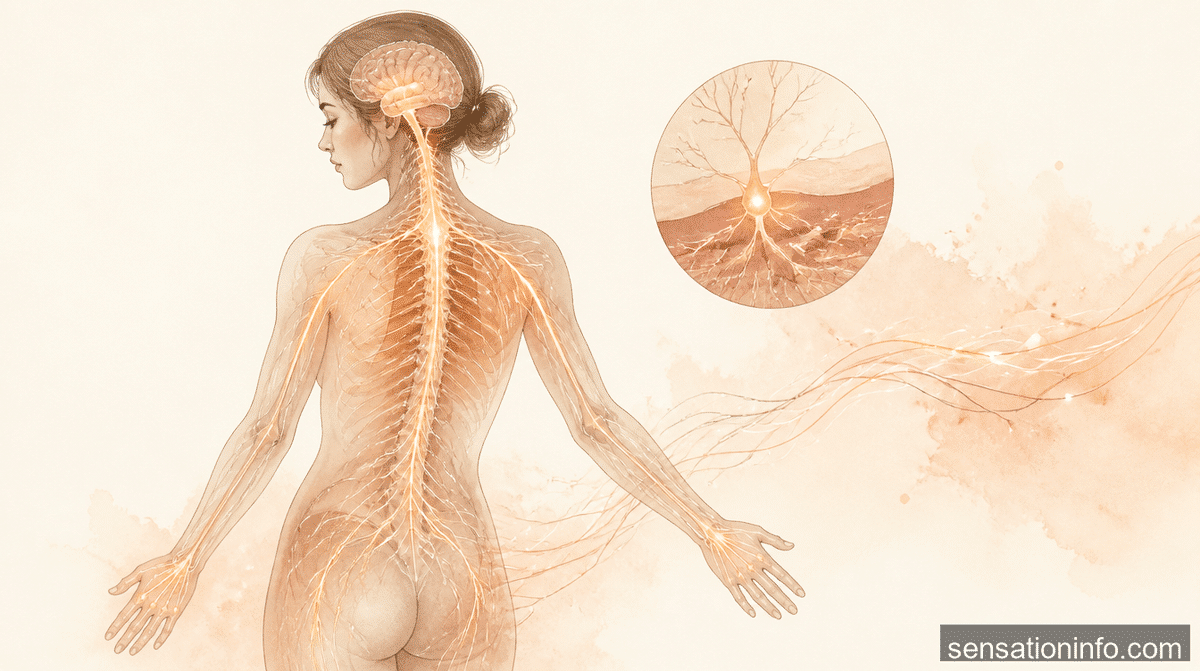
Types of Learning Sensations
As I continued to explore the world of learning sensations, I began to notice that there are different types of sensations that people experience. Some individuals may feel a sense of euphoria or exhilaration when they learn something new, while others may experience a sense of calmness or relaxation. Some people may feel a tingling sensation in their head or a sense of expansion in their mind, as if their perspective is broadening.
I’ve also noticed that learning sensations can be triggered by different types of learning experiences. For example, some people may experience a strong learning sensation when they are engaged in creative activities, such as painting or playing music. Others may experience a learning sensation when they are solving puzzles or playing strategy games. The common thread among these experiences is that they all involve novelty, challenge, and a sense of accomplishment, which can trigger the release of dopamine and other neurotransmitters.
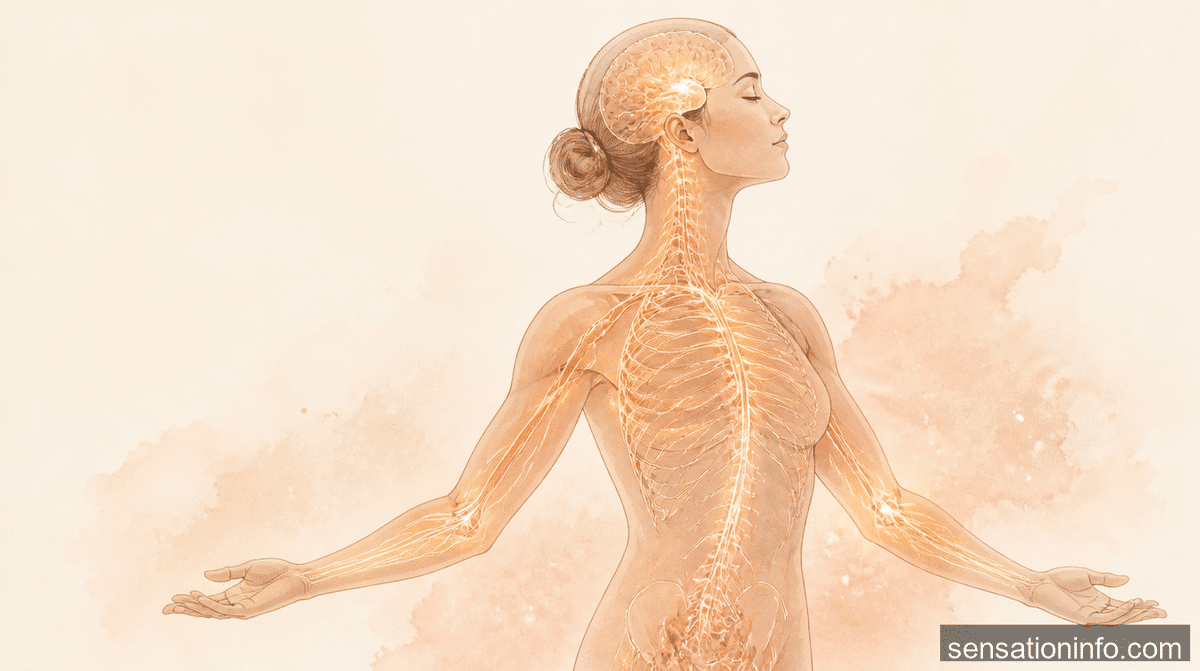
How to Cultivate Learning Sensations
So, how can we cultivate learning sensations and make the most of this phenomenon? As a medical professional, I’ve found that there are several strategies that can help. First, it’s essential to find activities that stimulate your curiosity and interest. Whether it’s reading a book, taking a course, or exploring a new hobby, the key is to find something that sparks your passion and motivation.
Another strategy is to create an environment that fosters learning and exploration. This can involve setting aside dedicated time for learning, finding a quiet and comfortable space to study, and eliminating distractions. It’s also important to take breaks and practice self-care, as burnout and exhaustion can diminish the learning sensation and make it more challenging to learn.
Frequently Asked Questions:
Q1: Why does my brain tingle when I learn something new?
The tingling sensation you feel while learning is believed to be linked to the activation of your brain’s pleasure and reward centers, particularly the nucleus accumbens and the ventral tegmental area. These are the same regions that respond to other pleasurable stimuli. Some researchers also compare this to an ASMR-like (Autonomous Sensory Meridian Response) experience. The sensation tends to be strongest during meaningful learning moments, when you feel you’re genuinely absorbing new information, rather than when you’re feeling overwhelmed or stuck.
Q2: How does dopamine affect learning and memory?
Dopamine plays a central role in learning by driving a process called reward-prediction error, where dopamine-releasing neurons help you calibrate your actions based on expected outcomes. Beyond motivation, dopamine also supports memory consolidation, the process of converting short-term learning into long-term knowledge. Research on Parkinson’s disease patients, who have reduced dopamine levels, shows that without adequate dopamine during learning, memory accuracy declines significantly within 24 hours, underscoring how vital this neurotransmitter is for retaining what we learn.
Q3: What is the difference between sensation and perception in learning?
Sensation refers to the detection and initial processing of sensory information (light, sound, touch, taste, and smell) through specialized nerve cells called receptors. Perception, on the other hand, is the brain’s interpretation and organization of that sensory data into a meaningful experience. In the context of learning, sensation is the first step: you must detect a stimulus in your environment before your brain can perceive, interpret, and ultimately learn from it. Both processes work together and are shaped by neuroplasticity as the brain adapts to new experiences.
Q4: Can you train your brain to experience stronger learning sensations?
Yes, to some extent. Engaging in activities that promote curiosity, novelty, and challenge can increase dopamine release and strengthen the learning sensation over time. Strategies like active recall, spaced repetition, and immersive hands-on learning stimulate multiple senses and reward pathways simultaneously. Maintaining a growth mindset, minimizing distractions, and ensuring adequate rest also help, as a well-rested brain is more responsive to the neurochemical signals that produce learning sensations. Essentially, the more you create conditions for deep, focused learning, the more likely you are to experience these rewarding sensations.
Final Thoughts
As I reflect on the phenomenon of learning sensations, I am struck by the complexity and beauty of the human brain. Our ability to learn, adapt, and evolve is a remarkable gift, and it’s essential to cultivate and nurture this capacity throughout our lives. By understanding the science behind learning sensations and incorporating strategies to foster this phenomenon, we can unlock new levels of creativity, innovation, and personal growth.
In conclusion, the world of learning sensations is a fascinating and multifaceted topic that deserves further exploration and study. As a medical professional, I am committed to continuing my research and sharing my findings with others, in the hopes of inspiring a deeper appreciation for the incredible capabilities of the human brain. Whether you’re a student, a professional, or simply a curious individual, I encourage you to explore the world of learning sensations and discover the incredible potential that lies within you.