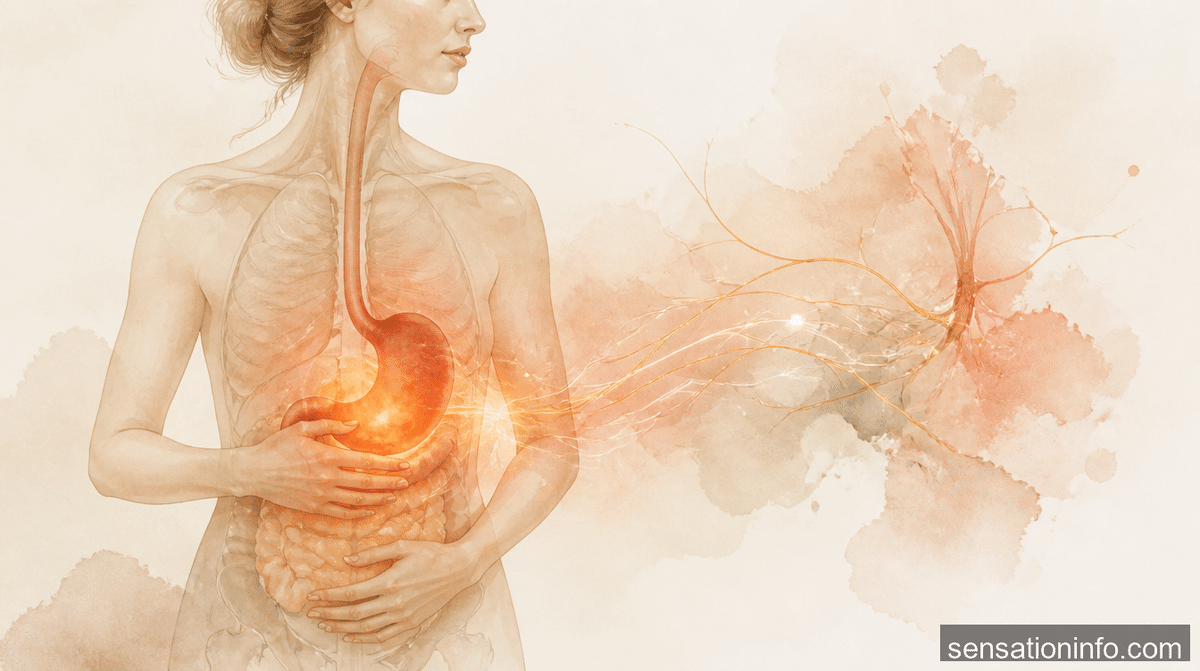

As a medical professional, I’ve encountered numerous patients who’ve expressed concerns about a burning sensation in their stomach. This symptom can be quite alarming, especially when it persists or is accompanied by other discomforting signs. I must admit, I’ve had my fair share of patients who’ve described this sensation as a sharp, stabbing pain or a dull, gnawing feeling that refuses to subside. In this article, I’ll delve into the possible reasons behind this burning sensation, exploring the various factors that could be contributing to your discomfort.
When patients come to me with complaints of a burning stomach, my first step is to ask them to describe their symptoms in detail. I want to know when the sensation started, how long it lasts, and if there are any triggers that make it worse. I also ask about their dietary habits, lifestyle, and any medications they might be taking. This information is crucial in helping me narrow down the potential causes of their burning stomach. For instance, if a patient tells me that their symptoms started after consuming a spicy meal, I might suspect that their burning sensation is related to acid reflux or heartburn.
One of the most common reasons for a burning sensation in the stomach is acid reflux, also known as gastroesophageal reflux disease (GERD). This condition occurs when the muscle that separates the esophagus and stomach, known as the lower esophageal sphincter, becomes weakened or relaxed, allowing stomach acid to flow back up into the esophagus. This can cause a burning sensation in the chest and stomach, which can be quite uncomfortable. In some cases, the burning sensation may be accompanied by other symptoms, such as bloating, nausea, or vomiting.
Another possible reason for a burning sensation in the stomach is an ulcer. A stomach ulcer, also known as a peptic ulcer, is a sore that develops in the lining of the stomach or duodenum (the first part of the small intestine). Ulcers can be caused by a variety of factors, including infection with the bacteria Helicobacter pylori, long-term use of nonsteroidal anti-inflammatory drugs (NSAIDs), or excessive acid production in the stomach. The symptoms of a stomach ulcer can vary, but they often include a burning sensation in the stomach, abdominal pain, and discomfort.
Exploring Other Possible Causes
In addition to acid reflux and ulcers, there are several other possible causes of a burning sensation in the stomach. These include:
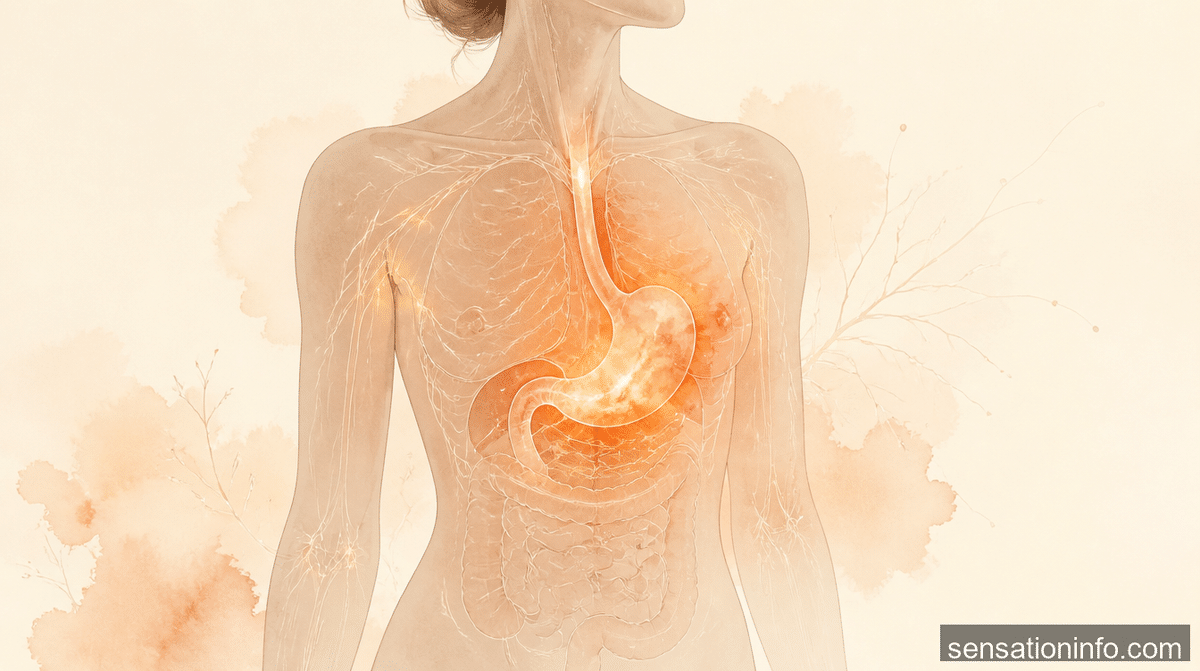
- Gastritis: This is an inflammation of the stomach lining, which can be caused by infection, irritation, or other factors. Gastritis can lead to a burning sensation in the stomach, as well as other symptoms like nausea, vomiting, and abdominal pain.
- Food intolerance: Some people may experience a burning sensation in their stomach after consuming certain foods, such as lactose or gluten. This can be due to an intolerance or sensitivity to these substances.
- Stress and anxiety: Stress and anxiety can cause a range of symptoms, including a burning sensation in the stomach. This can be due to the physical effects of stress on the body, such as increased acid production in the stomach.
- Medications: Certain medications, such as NSAIDs, can cause a burning sensation in the stomach as a side effect.
Diagnosing the Cause of Your Burning Stomach
If you’re experiencing a burning sensation in your stomach, it’s essential to see a doctor to determine the underlying cause. Your doctor will likely start by asking you questions about your symptoms, medical history, and lifestyle. They may also perform a physical examination and order some tests to rule out any underlying conditions.
Some of the tests that may be used to diagnose the cause of a burning stomach include:
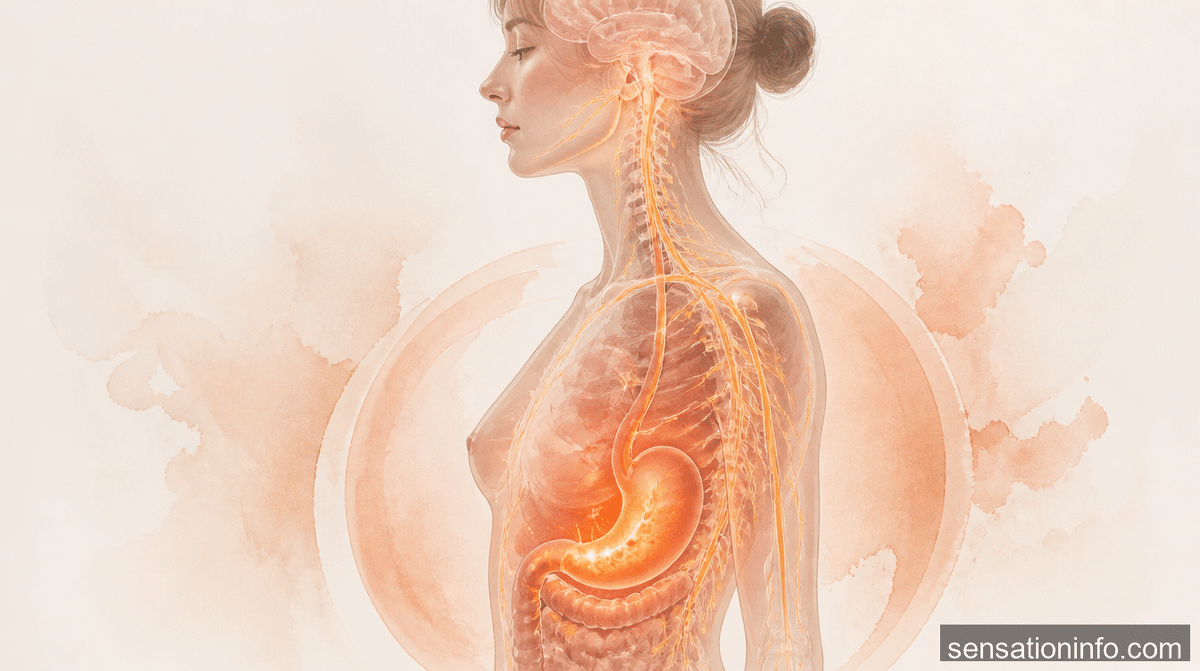
- Endoscopy: This is a procedure that involves inserting a flexible tube with a camera and light on the end into the stomach to visualize the lining and look for any signs of damage or disease.
- Upper GI series: This is a test that uses X-rays to visualize the upper digestive system, including the esophagus, stomach, and small intestine.
- Blood tests: These may be used to check for signs of infection, inflammation, or other conditions that could be contributing to your symptoms.
Treating Your Burning Stomach
Once the underlying cause of your burning stomach has been determined, your doctor can recommend the best course of treatment. This may involve:
- Lifestyle changes: Making changes to your diet and lifestyle, such as avoiding trigger foods, eating smaller meals, and managing stress, can help alleviate symptoms.
- Medications: Your doctor may prescribe medications to reduce acid production, protect the stomach lining, or treat any underlying conditions.
- Surgery: In some cases, surgery may be necessary to treat an underlying condition, such as an ulcer or a hernia.
Frequently Asked Questions
To alleviate a burning sensation in your stomach, try avoiding trigger foods, eating smaller meals, and managing stress. You can also try taking over-the-counter antacids or acid reducers to help reduce symptoms.
To prevent a burning sensation in your stomach, make sure to eat a balanced diet, avoid trigger foods, and manage stress. You should also avoid lying down after eating and try to elevate the head of your bed to prevent acid reflux.
If left untreated, a burning sensation in the stomach can lead to complications such as bleeding, scarring, and narrowing of the esophagus. It’s essential to seek medical attention if your symptoms persist or worsen over time.
Yes, a burning sensation in the stomach can be a sign of a more serious condition, such as an ulcer or cancer. If you’re experiencing persistent or severe symptoms, it’s essential to seek medical attention to rule out any underlying conditions.
The recovery time for a burning sensation in the stomach depends on the underlying cause and the effectiveness of treatment. In some cases, symptoms may resolve quickly with lifestyle changes and medication, while in other cases, it may take longer to recover.
Final Thoughts
A burning sensation in the stomach can be a distressing symptom, but it’s essential to remember that it’s often treatable. By understanding the possible causes of your burning stomach and seeking medical attention if necessary, you can alleviate your symptoms and prevent complications. As a medical professional, I always advise my patients to be proactive about their health and seek medical attention if they’re experiencing persistent or severe symptoms. Remember, your health is in your hands, and taking care of your stomach is an essential part of maintaining overall well-being. If you’re experiencing a burning sensation in your stomach, don’t hesitate to reach out to your doctor for guidance and support.
In conclusion, a burning sensation in the stomach is a common symptom that can be caused by a variety of factors. By understanding the possible causes and seeking medical attention if necessary, you can alleviate your symptoms and prevent complications. Remember to take care of your stomach by eating a balanced diet, avoiding trigger foods, and managing stress. With the right treatment and lifestyle changes, you can reduce your symptoms and improve your overall health and well-being. As your doctor, I’m committed to helping you find the best solution for your burning stomach and providing you with the guidance and support you need to achieve optimal health.