
Understanding the Basics
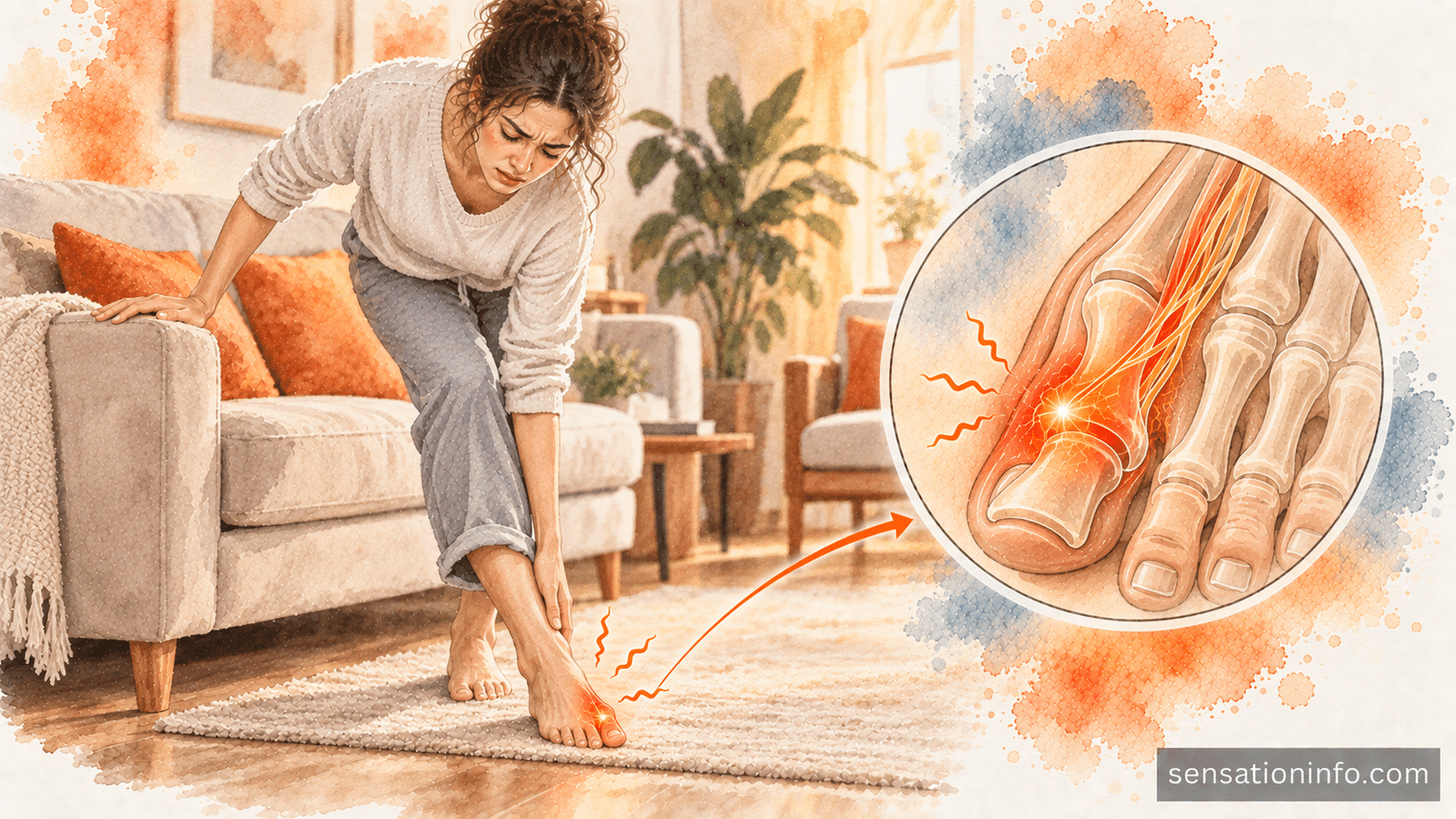
As a medical professional, I’ve encountered numerous patients complaining of a burning sensation in their legs. This symptom can be quite distressing, affecting not only the quality of life but also causing significant discomfort. I recall a patient who came to me with this exact issue, and after conducting a thorough examination, we were able to identify the underlying cause and develop an effective treatment plan. In this article, I’ll share my expertise with you, exploring the possible causes of a burning sensation in legs and what you can do to find relief.
The burning sensation in legs, also known as paresthesia, can be described as a prickling, tingling, or burning feeling that can be intermittent or constant. It’s essential to understand that this symptom can be related to various factors, ranging from benign conditions to more severe underlying diseases. As someone who’s experienced working with patients with similar complaints, I can assure you that seeking medical attention is crucial to determining the cause and receiving appropriate treatment.
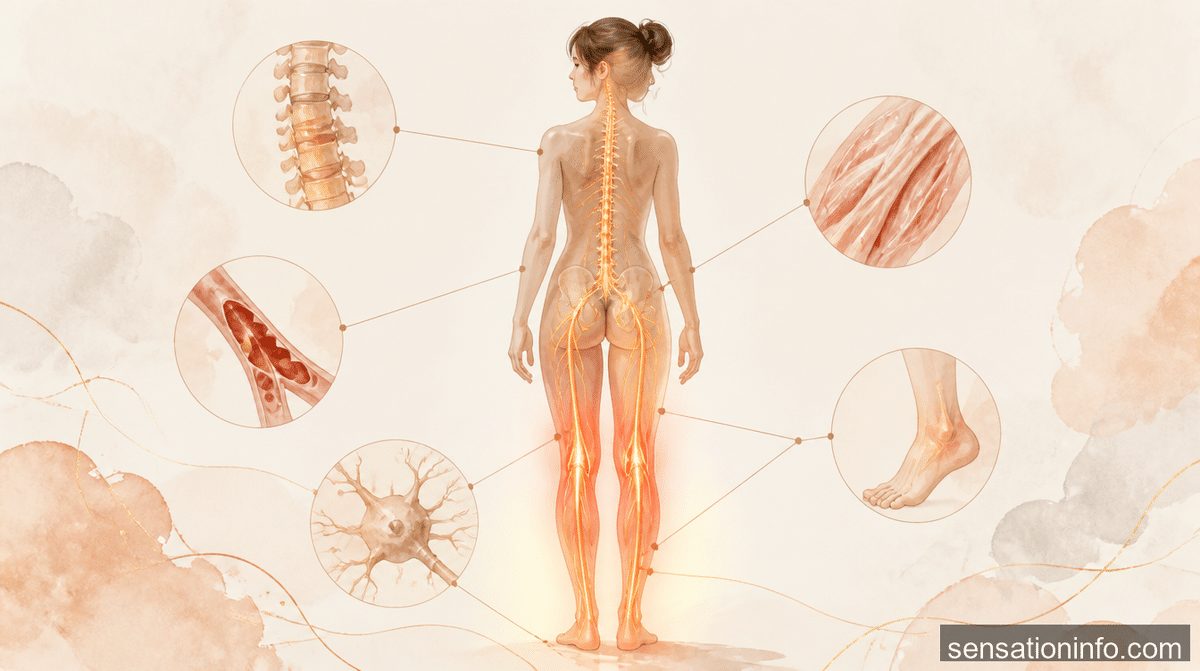
To better comprehend the possible causes, let’s delve into the anatomy and physiology of the legs. The legs are composed of muscles, nerves, and blood vessels, all of which play a vital role in maintaining proper function. Any disruption or damage to these components can lead to a burning sensation. For instance, nerve damage or compression can cause abnormal sensations, including burning, numbness, or tingling. Similarly, poor circulation or reduced blood flow can result in a burning or heavy feeling in the legs.
Possible Causes of Burning Sensation in Legs
Nerve-Related Causes
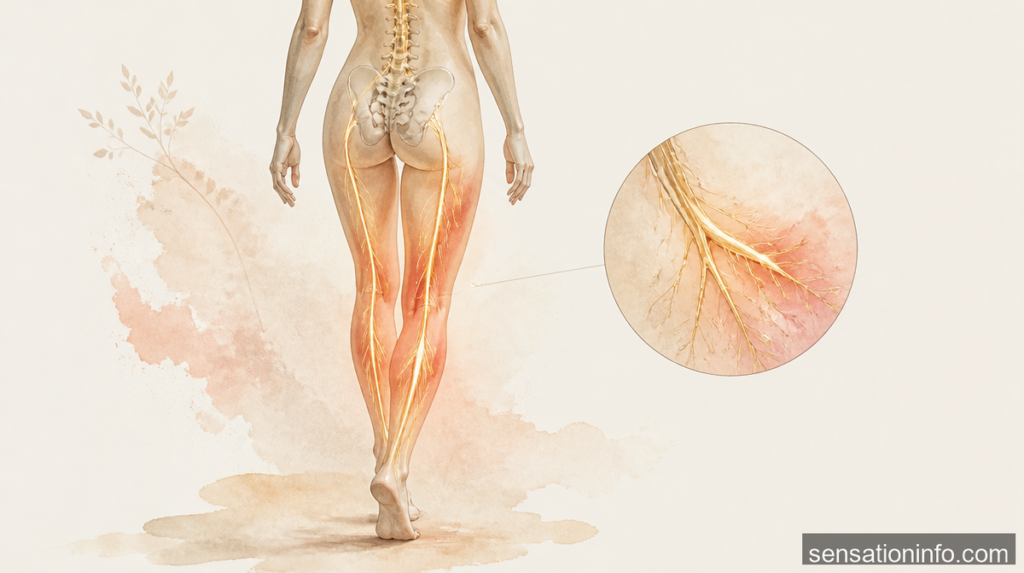
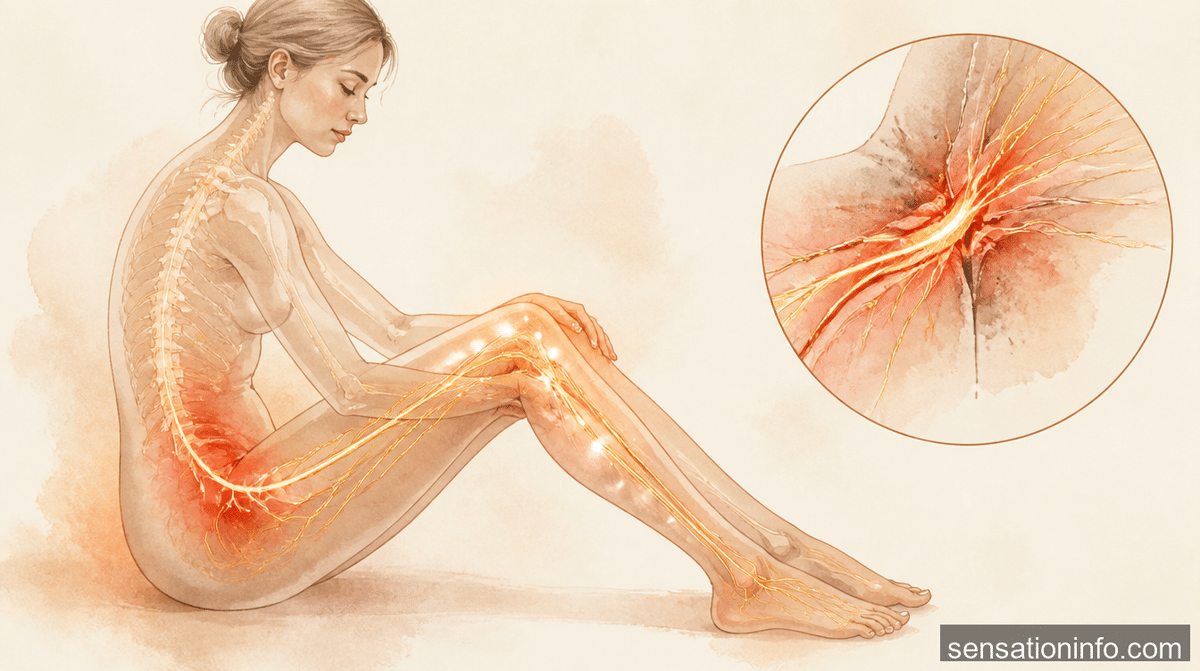
One of the primary causes of a burning sensation in legs is nerve damage or compression. This can occur due to various reasons, such as diabetes, vitamin deficiencies, or trauma. I’ve seen patients with diabetes who’ve developed nerve damage, leading to burning sensations in their legs. In such cases, managing blood sugar levels and receiving proper treatment can help alleviate the symptoms. Additionally, nerve compression or pinched nerves can cause burning sensations, which can be treated with physical therapy, medication, or, in some cases, surgery.
Another nerve-related cause is peripheral neuropathy, a condition characterized by damage to the peripheral nerves. This can result in burning sensations, numbness, or tingling in the legs. As a medical professional, I’ve worked with patients who’ve developed peripheral neuropathy due to various factors, including diabetes, vitamin deficiencies, or certain medications. Treating the underlying cause and managing symptoms can help improve the quality of life.
Circulatory Causes
Poor circulation or reduced blood flow can also cause a burning sensation in legs. This can be due to various factors, such as atherosclerosis, deep vein thrombosis, or varicose veins. I’ve encountered patients who’ve experienced burning sensations in their legs due to poor circulation, which can be treated with lifestyle modifications, medication, or surgical interventions. It’s essential to address circulatory issues promptly to prevent further complications.
Musculoskeletal Causes
Muscle strain or overuse can also lead to a burning sensation in legs. This can occur due to intense physical activity, poor posture, or muscle imbalances. As someone who’s worked with athletes and individuals with musculoskeletal issues, I can attest that proper stretching, strengthening, and conditioning can help prevent and alleviate burning sensations. Additionally, conditions like shin splints or stress fractures can cause burning sensations, which can be treated with rest, ice, compression, and elevation (RICE) and physical therapy.
Other Causes
Other possible causes of a burning sensation in legs include skin conditions, infections, or certain medications. For instance, conditions like eczema or psoriasis can cause burning sensations, which can be treated with topical creams, ointments, or oral medications. Infections like cellulitis or abscesses can also cause burning sensations, which require prompt medical attention and treatment with antibiotics. Certain medications, such as those used to treat depression or high blood pressure, can also cause burning sensations as a side effect.
How to Find Relief
Lifestyle Modifications
As a medical professional, I always recommend lifestyle modifications as the first line of treatment. This can include regular exercise, maintaining a healthy weight, and managing stress. Exercise can help improve circulation, reduce muscle tension, and promote overall well-being. I advise my patients to engage in low-impact activities like walking, swimming, or cycling to reduce the risk of injury.
Maintaining a healthy weight is also crucial in reducing pressure on the legs and improving circulation. A balanced diet rich in fruits, vegetables, whole grains, and lean proteins can help promote overall health and reduce inflammation. Stress management techniques like meditation, deep breathing, or yoga can also help alleviate burning sensations by reducing muscle tension and promoting relaxation.
Medical Treatment
If lifestyle modifications are insufficient, medical treatment may be necessary. This can include medication, physical therapy, or surgical interventions. I work closely with my patients to develop a personalized treatment plan that addresses their specific needs and underlying causes.
Medications like pain relievers, muscle relaxants, or nerve stabilizers can help alleviate burning sensations. Physical therapy can also be beneficial in improving circulation, reducing muscle tension, and promoting overall mobility. In some cases, surgical interventions may be necessary to treat underlying conditions like nerve compression or circulatory issues.
Frequently Asked Questions
The most common causes of a burning sensation in legs include nerve damage or compression, poor circulation, muscle strain, and certain medical conditions like diabetes or peripheral neuropathy. It’s essential to consult a medical professional to determine the underlying cause and receive proper treatment.
Prevention is key in reducing the risk of a burning sensation in legs. This can include maintaining a healthy weight, engaging in regular exercise, managing stress, and avoiding prolonged periods of standing or sitting. Additionally, wearing comfortable shoes, avoiding tight clothing, and elevating the legs can help improve circulation and reduce pressure.
The symptoms of a burning sensation in legs can vary depending on the underlying cause. Common symptoms include a prickling, tingling, or burning feeling, numbness, weakness, or heaviness in the legs. In some cases, patients may experience pain, swelling, or redness, which can be a sign of an underlying infection or circulatory issue.
Yes, a burning sensation in legs can be a sign of a more severe underlying condition like peripheral neuropathy, deep vein thrombosis, or certain infections. It’s crucial to seek medical attention promptly to determine the underlying cause and receive proper treatment.
Recovery time can vary depending on the underlying cause and severity of the condition. In some cases, lifestyle modifications and medical treatment can provide relief within a few weeks. However, in more severe cases, recovery may take several months or even years. It’s essential to work closely with a medical professional to develop a personalized treatment plan and monitor progress.
Final Thoughts
As a medical professional, I’ve seen firsthand the impact that a burning sensation in legs can have on a person’s quality of life. It’s essential to take this symptom seriously and seek medical attention promptly to determine the underlying cause and receive proper treatment. By making lifestyle modifications, managing underlying conditions, and seeking medical attention when necessary, you can find relief from a burning sensation in legs and improve your overall well-being.
If you’re experiencing a burning sensation in your legs, I encourage you to take the first step towards seeking medical attention. Don’t hesitate to consult a medical professional, and don’t rely on self-diagnosis or online remedies. Remember, a proper diagnosis and treatment plan can make a significant difference in alleviating your symptoms and improving your quality of life. Take control of your health today, and let’s work together to find a solution to your burning sensation in legs.
Article written by Dr Peeyush Kumawat at Sensationinfo.com