
What is Sensation in Psychology
Understanding the Basics
As a medical professional, I’ve often found myself wondering about the intricacies of human perception. One concept that has always fascinated me is sensation in psychology. Sensation refers to the process by which our senses detect and respond to various stimuli in our environment. It’s the foundation upon which our perceptions are built, and understanding it can provide valuable insights into how we interact with the world around us. In this article, I’ll delve into the world of sensation in psychology, exploring what it is, how it works, and why it’s essential for our daily lives.
Our senses are constantly bombarded with information, from the sounds we hear to the sights we see. But have you ever stopped to think about how we actually process all this information? It’s a complex process that involves multiple stages, from detection to interpretation. As someone who’s studied psychology, I can tell you that sensation is a critical component of this process. It’s the initial step in our journey towards perception, and it lays the groundwork for how we understand and respond to our environment.
As I sit here, writing this article, I’m surrounded by various stimuli. The sound of my keyboard clacking away, the sight of the words on my screen, the feeling of the chair beneath me – all these sensations are being processed by my brain in real-time. It’s a remarkable process, really, and one that we often take for granted. But what exactly is sensation in psychology, and how does it differ from perception? To answer these questions, let’s take a closer look at the basics of sensation and how it works.
How Sensation Works
The Process of Detection
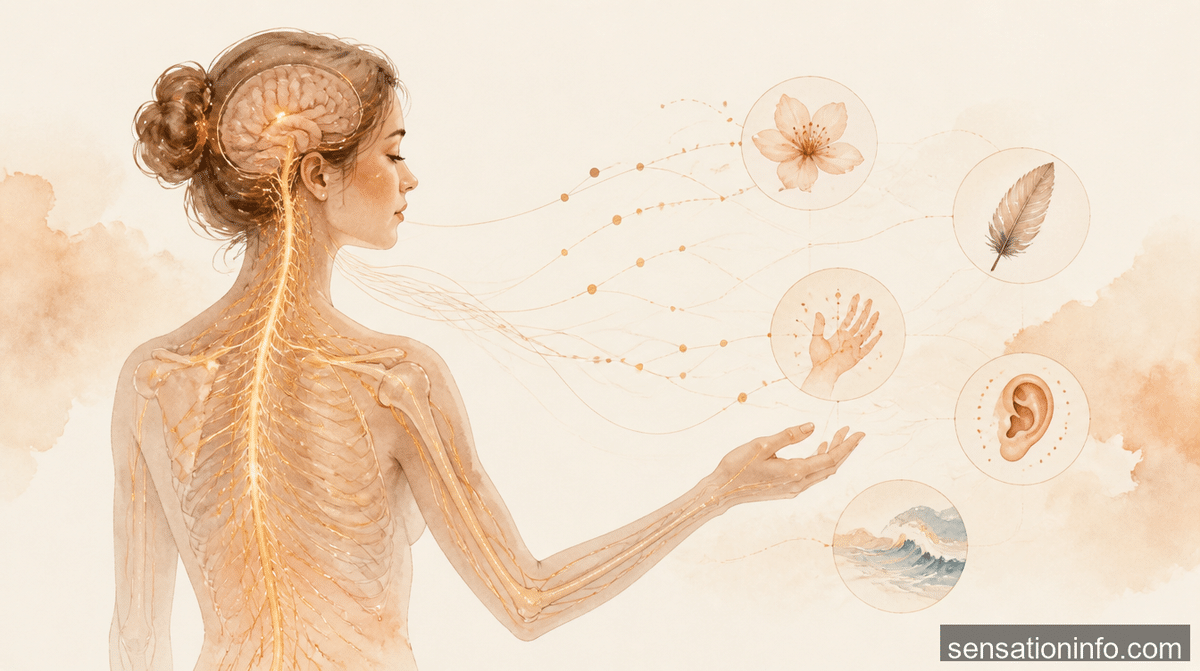
Sensation occurs when our senses detect a stimulus, such as light, sound, or touch. This detection is made possible by specialized cells called sensory receptors, which are found in our eyes, ears, skin, and other sensory organs. These receptors are designed to respond to specific types of stimuli, and they play a crucial role in our ability to perceive the world around us. When a stimulus is detected, it sends a signal to our brain, which then interprets the information and creates a sensation.
The process of sensation is often described as a bottom-up approach, meaning that it starts with the detection of basic stimuli and builds up to more complex perceptions. For example, when we look at a red apple, the light from the apple stimulates the sensory receptors in our eyes, which then send a signal to our brain. Our brain interprets this signal as the color red, and we perceive the apple as being red. It’s a simple yet powerful process that allows us to navigate and understand our environment.
As a medical professional, I’ve seen firsthand the importance of sensation in our daily lives. Without it, we wouldn’t be able to respond to our environment, interact with others, or even enjoy the simple pleasures in life. Sensation is the foundation upon which our experiences are built, and it plays a critical role in our ability to perceive and understand the world around us. But sensation is just the beginning – it’s the first step in a complex process that ultimately leads to perception.
Perception vs. Sensation
Understanding the Difference
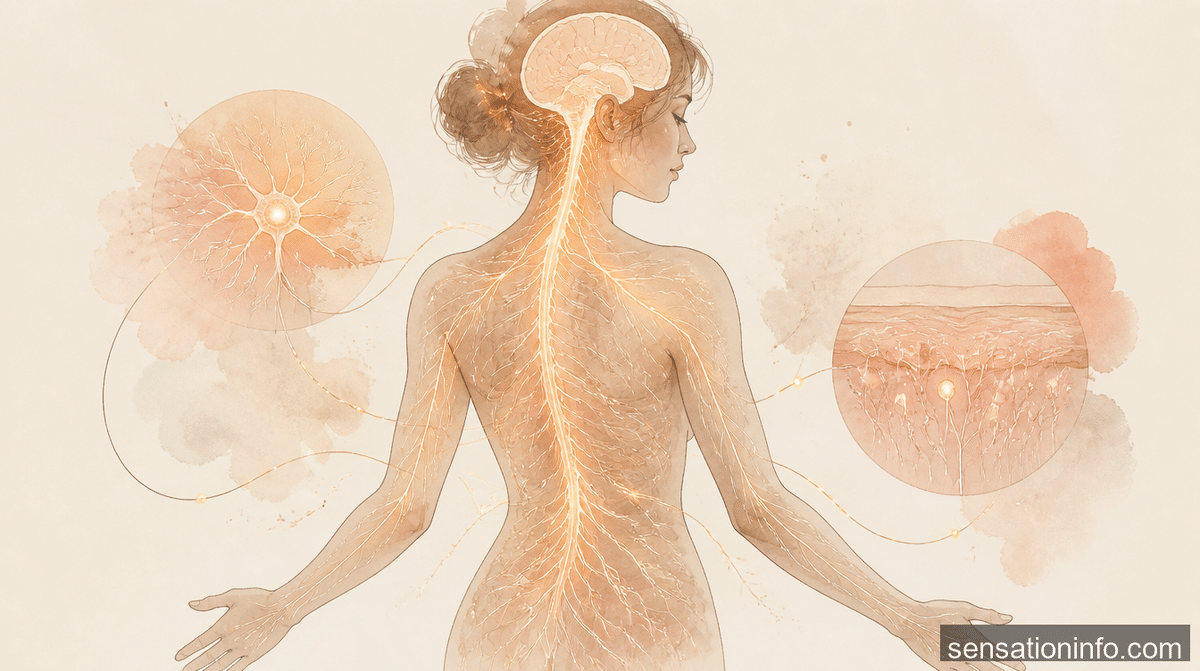
So, what’s the difference between sensation and perception? While sensation refers to the detection of stimuli, perception refers to the interpretation of those stimuli. In other words, sensation is the raw data that our senses collect, while perception is the meaning that we assign to that data. Perception is a top-down approach, meaning that it starts with our prior knowledge and expectations and works its way down to the basic stimuli.
To illustrate the difference, let’s go back to the example of the red apple. The sensation of seeing the apple is the detection of the light reflected off its surface, which sends a signal to our brain. The perception of the apple, on the other hand, is the interpretation of that signal as a red, juicy, and delicious fruit. Our brain uses our prior knowledge and expectations to create a perception of the apple that goes beyond the basic sensory information.
As someone who’s interested in psychology, I find the relationship between sensation and perception fascinating. It’s a complex and dynamic process that involves multiple stages and feedback loops. Our brain is constantly refining and updating our perceptions based on new information, and sensation plays a critical role in this process. By understanding how sensation works, we can gain a deeper insight into the workings of our mind and the nature of reality itself.
Types of Sensation
Exploring the Senses
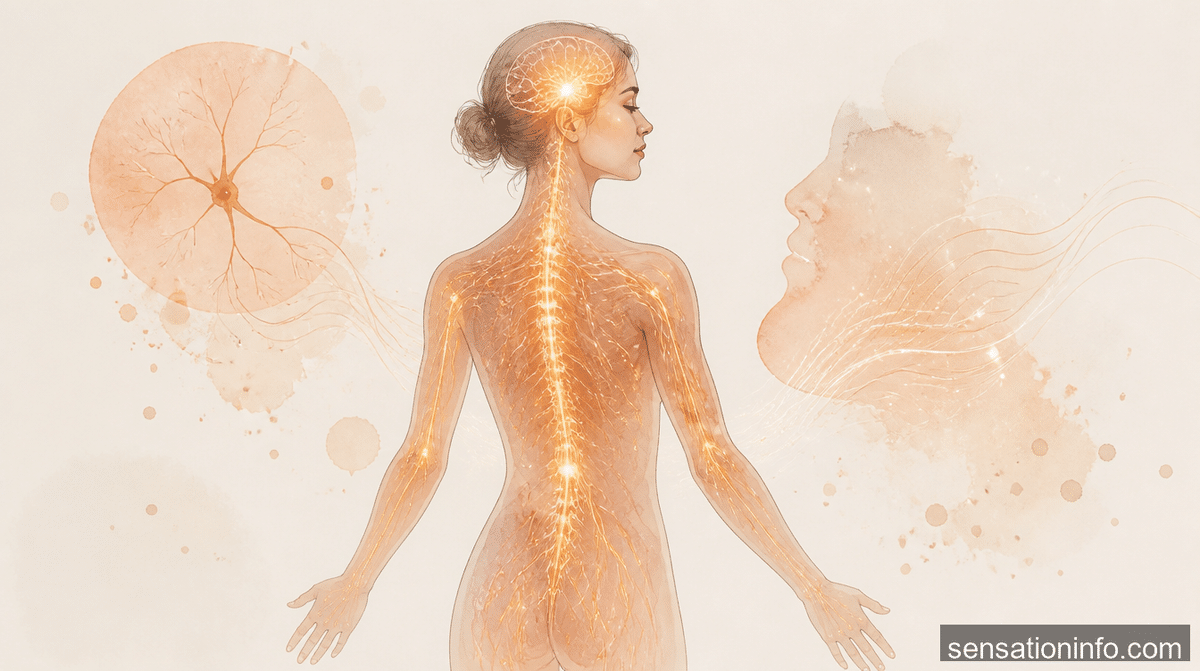
There are several types of sensation, each corresponding to a specific sense or sensory modality. The most well-known types of sensation are:
- Visual sensation: the detection of light and color
- Auditory sensation: the detection of sound waves
- Tactile sensation: the detection of touch and pressure
- Gustatory sensation: the detection of taste
- Olfactory sensation: the detection of smell
Each of these senses has its own unique characteristics and mechanisms, and they all contribute to our overall experience of the world. Visual sensation, for example, is made possible by the detection of light and color by the retina, which then sends signals to the brain for interpretation. Auditory sensation, on the other hand, is made possible by the detection of sound waves by the ear, which then sends signals to the brain for interpretation.
As a medical professional, I’ve worked with patients who have impaired sensation in one or more of these areas. It’s remarkable to see how our brain can adapt and compensate for these impairments, and it highlights the complexity and flexibility of our sensory systems. By understanding the different types of sensation, we can gain a deeper appreciation for the incredible range of human experience and the many ways in which we interact with our environment.
Factors That Influence Sensation
Understanding the Context
Sensation is not a fixed or absolute process – it’s influenced by a variety of factors, including our prior knowledge, expectations, and attention. These factors can affect how we perceive and interpret sensory information, and they play a critical role in shaping our experience of the world. For example, if we’re expecting to see a certain color or shape, our brain may be more likely to interpret ambiguous sensory information in a way that confirms our expectations.
Attention is another critical factor that influences sensation. When we focus our attention on a particular stimulus, our brain is more likely to detect and interpret the sensory information associated with that stimulus. This is why we often fail to notice things that are right in front of us – our attention is focused elsewhere, and our brain is not prioritizing the sensory information associated with those stimuli.
As someone who’s interested in psychology, I find it fascinating to explore the many factors that influence sensation. By understanding these factors, we can gain a deeper insight into the complex and dynamic process of perception, and we can develop a greater appreciation for the many ways in which our brain shapes and interprets sensory information.
Conclusion
The Power of Sensation
In conclusion, sensation is a critical component of our experience of the world. It’s the foundation upon which our perceptions are built, and it plays a vital role in our ability to navigate and understand our environment. By understanding how sensation works, we can gain a deeper insight into the complex and dynamic process of perception, and we can develop a greater appreciation for the many ways in which our brain shapes and interprets sensory information.
As a medical professional, I’ve seen firsthand the importance of sensation in our daily lives. It’s a fundamental aspect of human experience, and it’s essential for our ability to interact with others, respond to our environment, and enjoy the simple pleasures in life. By appreciating the power of sensation, we can cultivate a greater sense of awareness and appreciation for the world around us, and we can develop a deeper understanding of the incredible complexity and beauty of human experience.
Frequently Asked Questions
The difference between sensation and perception is that sensation refers to the detection of stimuli, while perception refers to the interpretation of those stimuli. Sensation is the raw data that our senses collect, while perception is the meaning that we assign to that data.
Our senses detect and respond to stimuli through specialized cells called sensory receptors, which are found in our eyes, ears, skin, and other sensory organs. These receptors are designed to respond to specific types of stimuli, and they play a critical role in our ability to perceive the world around us.
The different types of sensation include visual sensation, auditory sensation, tactile sensation, gustatory sensation, and olfactory sensation. Each of these senses has its own unique characteristics and mechanisms, and they all contribute to our overall experience of the world.
Prior knowledge and expectations can influence sensation by affecting how we perceive and interpret sensory information. When we expect to see or hear something, our brain may be more likely to interpret ambiguous sensory information in a way that confirms our expectations.
Yes, sensation can be impaired or affected by certain conditions, such as sensory impairments or neurological disorders. These conditions can affect our ability to detect and respond to stimuli, and they can have a significant impact on our quality of life.
Final Thoughts
Cultivating Awareness
As we conclude our exploration of sensation in psychology, I want to leave you with a final thought: sensation is a powerful and essential aspect of human experience. By cultivating a greater awareness and appreciation for the sensory information that surrounds us, we can develop a deeper understanding of the world and our place within it. So, take a moment to pause and appreciate the sights, sounds, and sensations that fill your life. You might just discover a new perspective on the world – and on yourself.