
What is Globus Sensation?
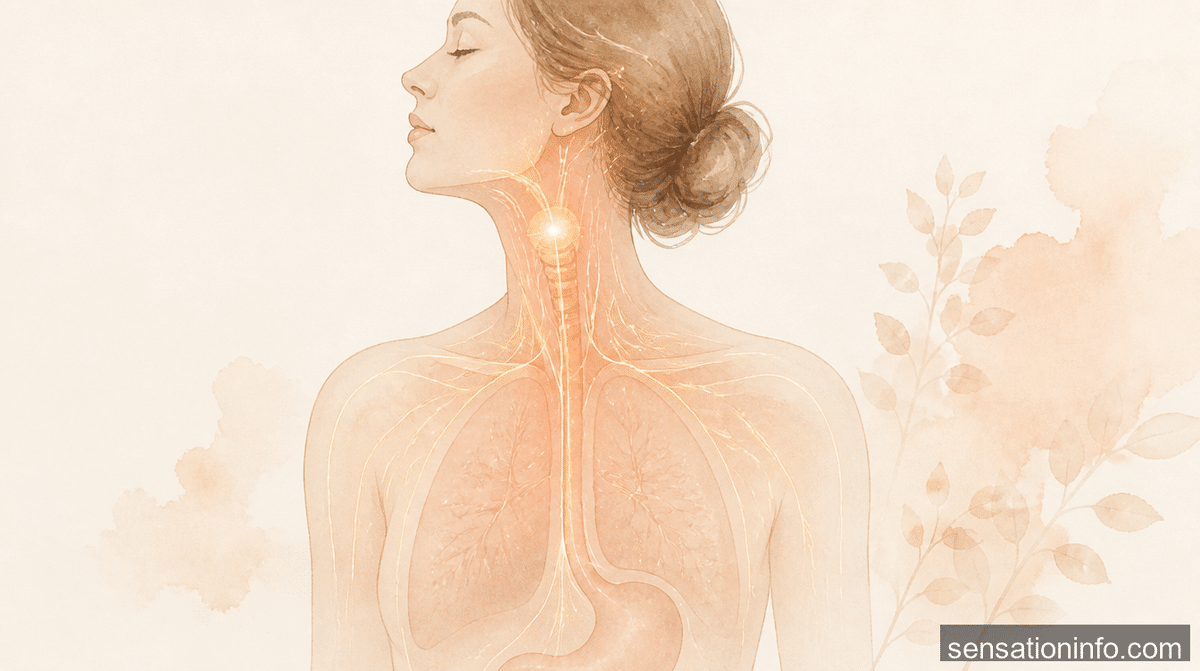
Globus sensation is a condition characterized by a persistent feeling of having a lump or foreign object in the throat, despite the absence of any physical obstruction. It’s essential to note that this sensation can be extremely distressing, often leading to anxiety, stress, and a significant impact on a person’s quality of life. I’ve seen patients who’ve struggled with globus sensation, and it’s heartbreaking to witness the emotional toll it can take. As a doctor, my goal is to provide reassurance, guidance, and effective treatment options to help alleviate this discomfort.
Causes of Globus Sensation
The causes of globus sensation are multifaceted and can be attributed to various factors. In some cases, it may be related to gastroesophageal reflux disease (GERD), where stomach acid flows back into the throat, causing irritation and discomfort. Other potential causes include stress, anxiety, and muscle tension in the throat area. I’ve also seen patients with globus sensation who have underlying conditions such as thyroid disorders, sinus infections, or postnasal drip. It’s crucial to identify the underlying cause to develop an effective treatment plan.
Symptoms of Globus Sensation
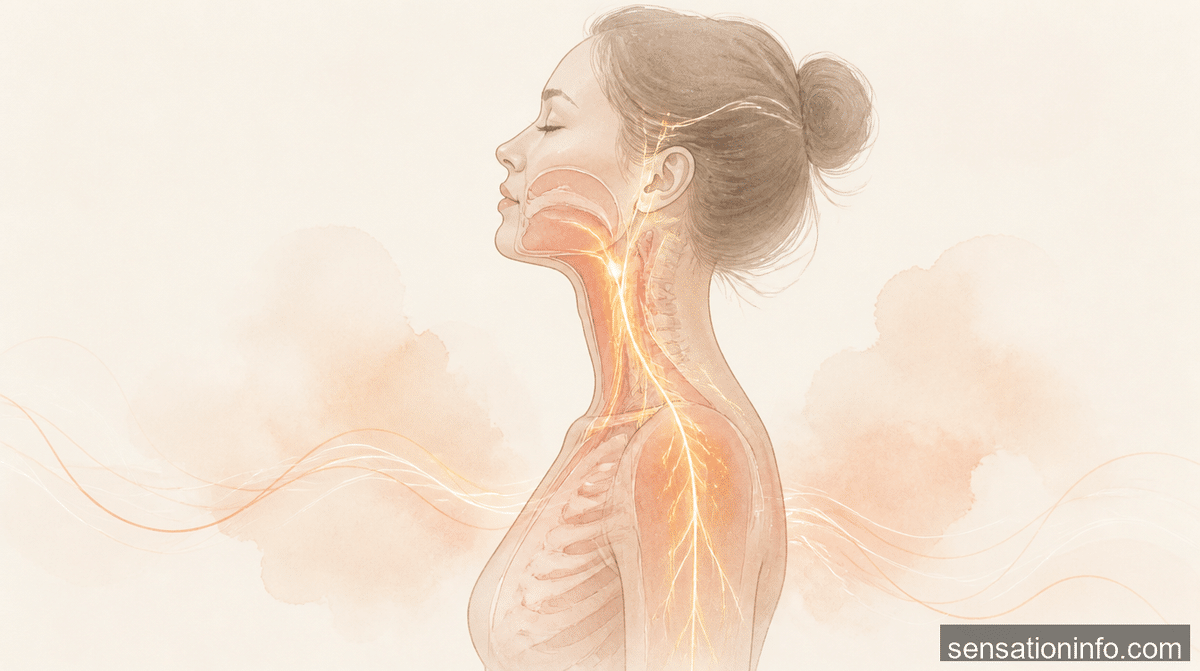
The symptoms of globus sensation can vary from person to person, but common complaints include a persistent feeling of a lump or tightness in the throat, difficulty swallowing, and a sensation of choking or suffocation. Some patients may also experience hoarseness, coughing, or a sensation of food getting stuck in the throat. As a doctor, it’s essential to listen attentively to these symptoms and perform a thorough examination to rule out any underlying conditions that may be contributing to the globus sensation.
Treatment Options for Globus Sensation
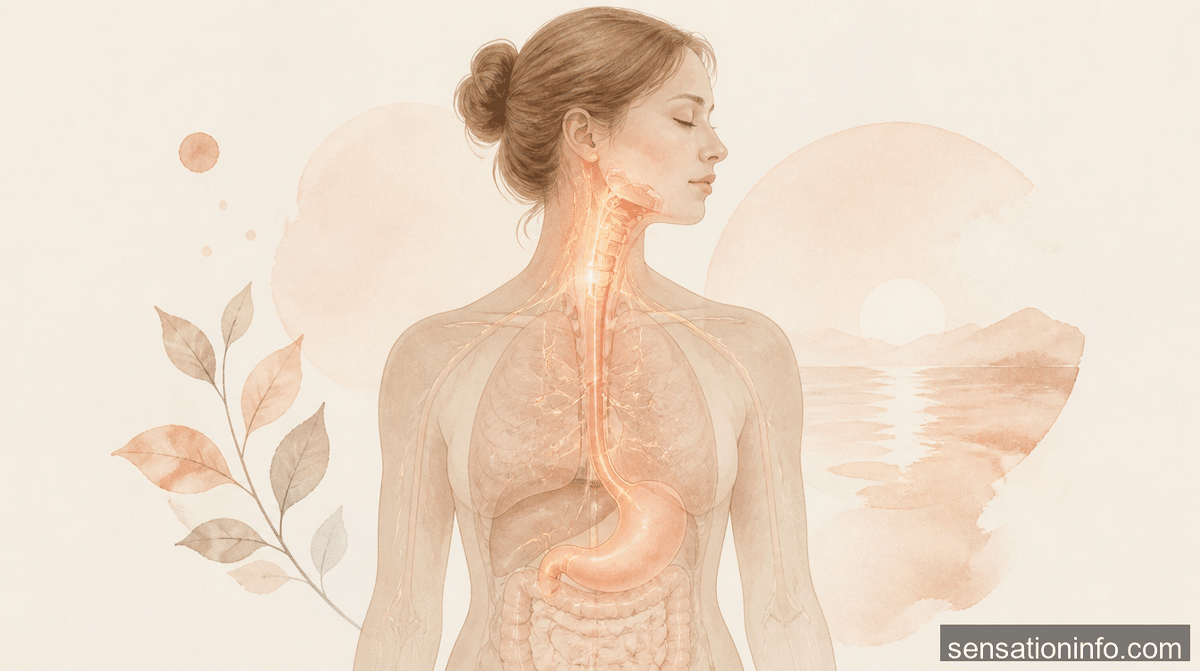
Fortunately, there are various treatment options available for globus sensation. In cases where GERD is the underlying cause, medication such as antacids or proton pump inhibitors can help alleviate symptoms. Stress management techniques, such as meditation, deep breathing, or yoga, can also be beneficial in reducing muscle tension and anxiety. I’ve also recommended voice therapy or speech therapy to patients with globus sensation, as these can help improve swallowing and reduce throat irritation. In some cases, a course of antibiotics may be prescribed to treat underlying infections.
Can Globus Sensation Go Away on Its Own?
Now, to answer the question: does globus sensation go away? The good news is that, in many cases, globus sensation can resolve on its own with proper treatment and management. By addressing the underlying causes, such as GERD, stress, or anxiety, and incorporating lifestyle changes, such as maintaining a healthy diet, staying hydrated, and avoiding irritants like tobacco smoke, patients can experience significant improvement. However, it’s essential to note that globus sensation can be a chronic condition, and some patients may require ongoing treatment and management to alleviate symptoms.
Lifestyle Changes to Help Manage Globus Sensation
As a doctor, I always emphasize the importance of lifestyle changes in managing globus sensation. By making a few simple adjustments, patients can reduce their symptoms and improve their overall quality of life. Some recommendations include avoiding trigger foods that can exacerbate GERD, such as citrus fruits, tomatoes, or chocolate, and eating smaller, more frequent meals to reduce symptoms of reflux. I also encourage patients to stay hydrated by drinking plenty of water, avoid tight clothing that can put pressure on the stomach, and elevate the head of their bed by 6-8 inches to reduce nighttime reflux.
When to Seek Medical Attention
While globus sensation can be a frustrating and uncomfortable condition, it’s essential to seek medical attention if symptoms worsen or persist. If you experience difficulty breathing, severe pain or discomfort in the throat or chest, or if you have a fever or difficulty swallowing, it’s crucial to consult a doctor immediately. As a medical professional, I’ve seen cases where globus sensation has been a symptom of a more serious underlying condition, such as a tumor or a neurological disorder. If you’re experiencing any of these symptoms, don’t hesitate to reach out to your healthcare provider for guidance and support.
Conclusion
In conclusion, globus sensation is a complex and multifaceted condition that requires a comprehensive approach to treatment and management. By understanding the causes, symptoms, and treatment options available, patients can take the first step towards alleviating their discomfort and improving their quality of life. As a doctor, my goal is to provide patients with the reassurance, guidance, and support they need to navigate this condition. So, to answer the question: does globus sensation go away? The answer is yes, with proper treatment, management, and lifestyle changes, globus sensation can resolve on its own, and patients can experience significant improvement in their symptoms.
Frequently Asked Questions
The most common causes of globus sensation include gastroesophageal reflux disease (GERD), stress, anxiety, and muscle tension in the throat area. Other potential causes include thyroid disorders, sinus infections, or postnasal drip. As a doctor, I’ve seen cases where a combination of these factors has contributed to globus sensation.
Globus sensation is typically diagnosed through a combination of physical examination, medical history, and diagnostic tests such as endoscopy or swallow studies. As a medical professional, I always take a thorough medical history and perform a physical examination to rule out any underlying conditions that may be contributing to the globus sensation.
Yes, in some cases, globus sensation can be a symptom of a more serious underlying condition, such as a tumor or a neurological disorder. It’s essential to seek medical attention if symptoms worsen or persist, as early diagnosis and treatment can significantly improve outcomes.
The duration of globus sensation can vary depending on the underlying cause and treatment. In some cases, symptoms can resolve on their own within a few weeks, while in other cases, treatment and management may be required for several months or even years.
Yes, there are several natural remedies that can help alleviate symptoms of globus sensation, including slippery elm, marshmallow root, and licorice root. As a doctor, I always recommend a combination of conventional treatment and lifestyle changes, including stress management techniques, to help manage globus sensation.
Final Thoughts
As a medical professional, I’ve seen firsthand the impact that globus sensation can have on a person’s quality of life. It’s a condition that can be frustrating, uncomfortable, and even distressing at times. However, with the right treatment, management, and lifestyle changes, patients can experience significant improvement in their symptoms. So, if you’re experiencing globus sensation, don’t hesitate to reach out to your healthcare provider for guidance and support. Remember, you’re not alone, and there is hope for relief. By working together, we can develop a personalized treatment plan that addresses your unique needs and helps you alleviate your symptoms.
Article written by Dr Peeyush Kumawat at Sensationinfo.com