
Understanding the Basics
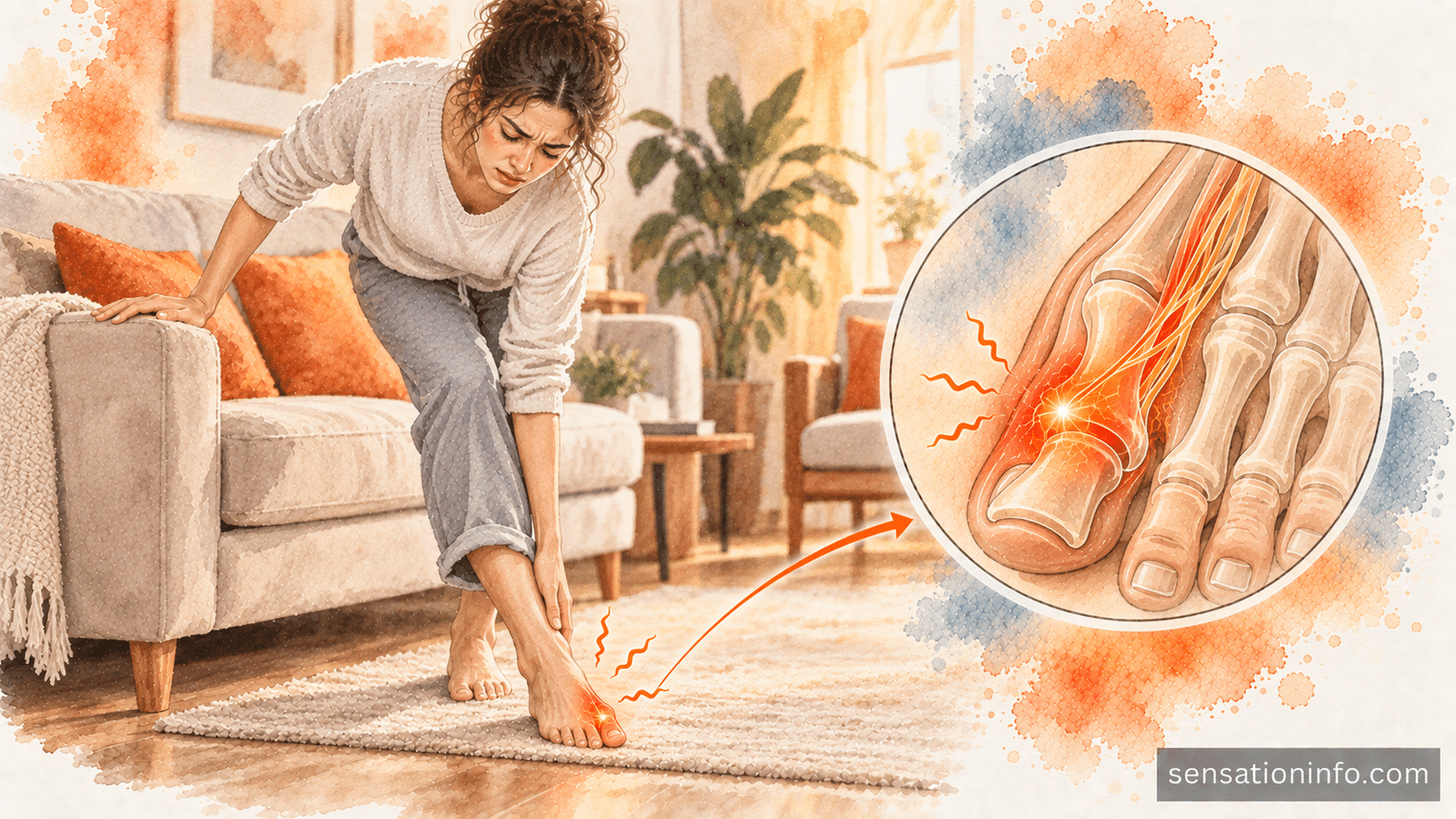
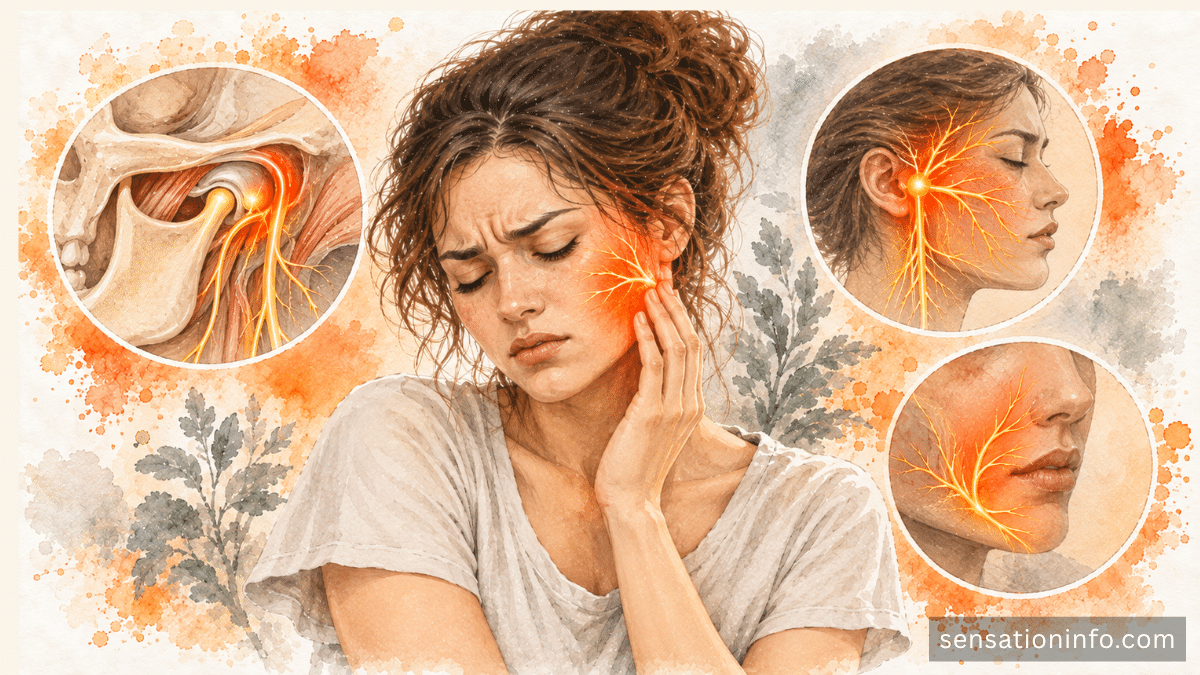
As a medical professional, I’ve encountered numerous patients who’ve described a tingling sensation in their limbs, face, or other parts of their body. This sensation can be unsettling, especially when it’s persistent or recurs frequently. In this article, I’ll delve into the world of tingling sensations, exploring what they are, their possible causes, and how to manage them.
When I first started my medical practice, I noticed that patients often used the term “tingling” to describe a wide range of sensations, from numbness to pins and needles. However, tingling is a distinct sensation that’s often characterized by a prickling or buzzing feeling. It’s essential to understand that tingling sensations can be harmless, but they can also be a symptom of an underlying condition.
I recall a patient who experienced tingling sensations in her hands and feet. At first, she thought it was just a side effect of sitting in the same position for too long, but as the sensations persisted, she began to worry. After a thorough examination, we discovered that she had a vitamin B12 deficiency, which was causing the tingling sensations. This experience taught me the importance of taking tingling sensations seriously and exploring their underlying causes.
What Causes Tingling Sensations
Common Triggers
So, what causes tingling sensations? As I’ve seen in my practice, there are many possible triggers. Some common causes include:
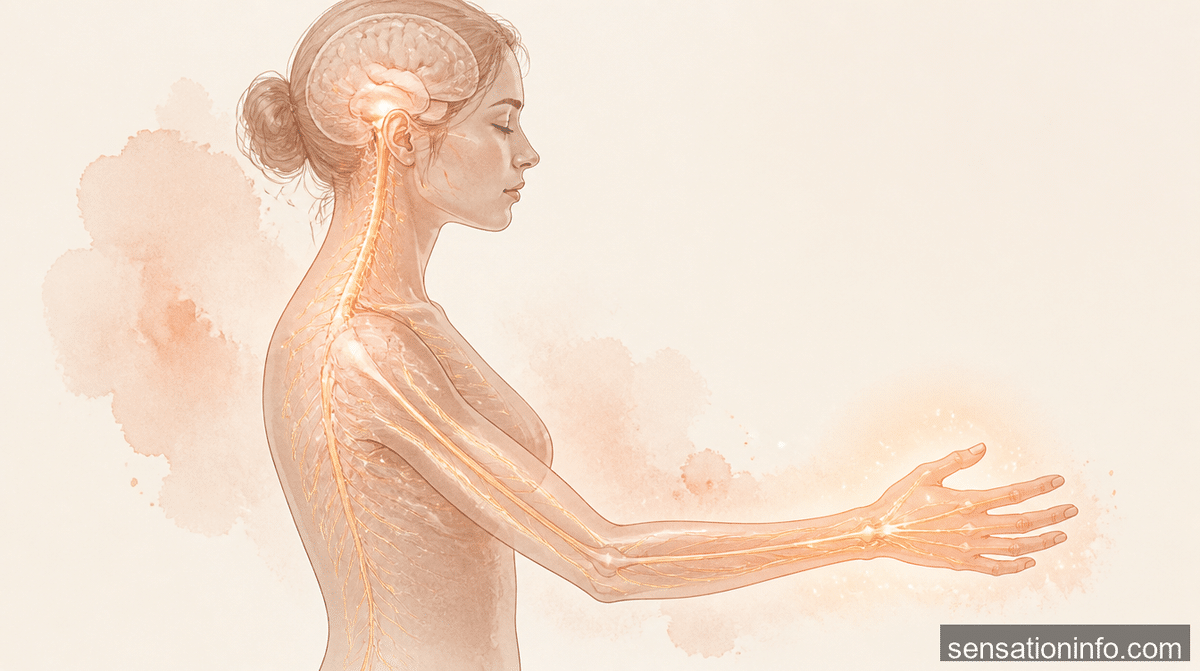
- Poor circulation: When blood flow to a particular area is restricted, it can cause tingling sensations. This is often seen in people who sit or stand in the same position for extended periods.
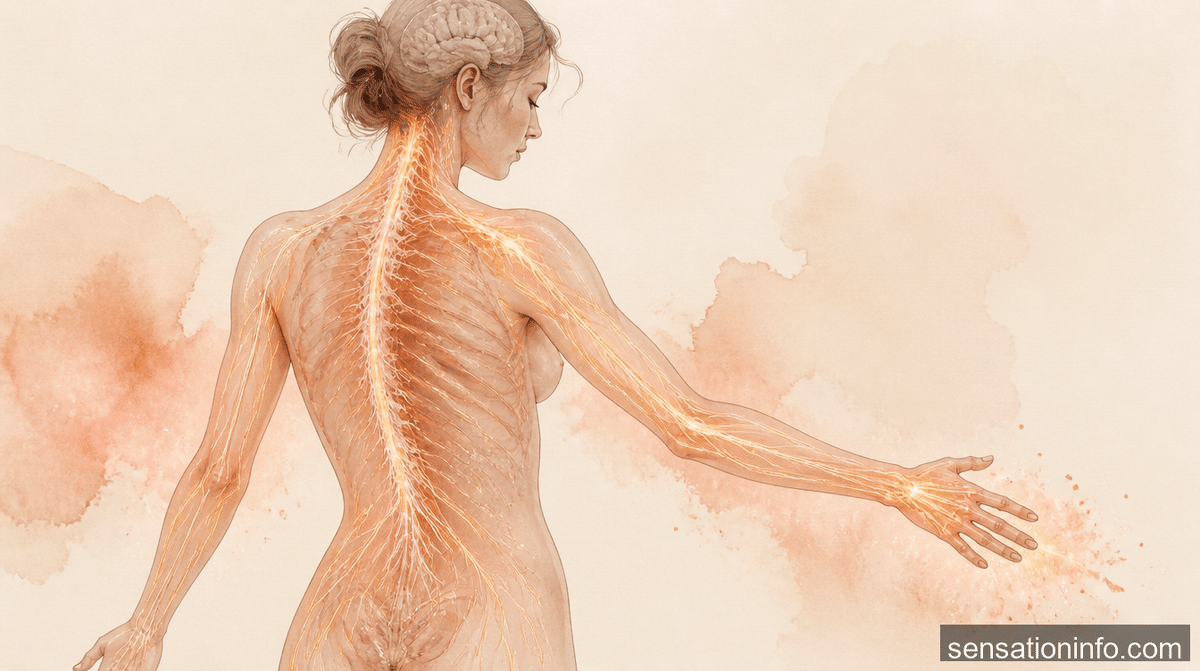
- Nerve damage: Damage to the nerves can disrupt communication between the brain and the affected area, leading to tingling sensations.
- Vitamin deficiencies: Deficiencies in vitamins like B12, B6, or B9 can cause tingling sensations, as I mentioned earlier.
- Diabetes: High blood sugar levels can damage the nerves, leading to tingling sensations in the hands and feet.
- Multiple sclerosis: This chronic condition can cause tingling sensations, numbness, and weakness in various parts of the body.
- sub-point a: Multiple sclerosis is an autoimmune disease that affects the central nervous system.
- sub-point b: The symptoms of multiple sclerosis can vary widely, but tingling sensations are common.
Types of Tingling Sensations
Different presentations
As I’ve observed in my patients, tingling sensations can manifest in different ways. Some people may experience:
- Paresthesia: This is a temporary tingling sensation that can be caused by pressure on a nerve or a lack of blood flow.
- Dysesthesia: This is a more persistent tingling sensation that can be caused by nerve damage or certain medical conditions.
- Hypesthesia: This is an increased sensitivity to touch or other stimuli, which can cause tingling sensations.
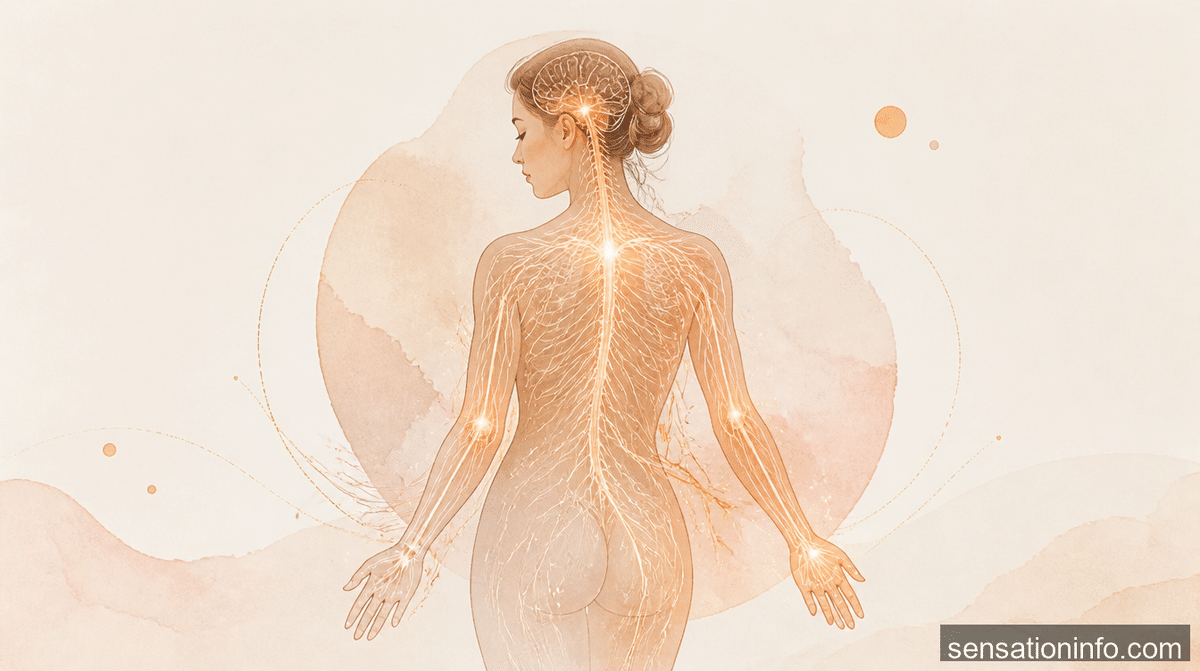
I’ve seen patients who experience tingling sensations in response to certain triggers, such as cold temperatures or tight clothing. Understanding the different types of tingling sensations can help us better diagnose and manage the underlying conditions.
Diagnosing the Underlying Cause
A thorough approach
When a patient presents with tingling sensations, my approach is to take a thorough medical history and perform a physical examination. I also order diagnostic tests to rule out any underlying conditions that may be causing the sensations.
Some common diagnostic tests include:
- Electromyography (EMG): This test measures the electrical activity of the muscles and can help diagnose nerve damage or muscle disorders.
- Nerve conduction studies: These tests measure the speed and strength of electrical signals in the nerves.
- Blood tests: These can help diagnose vitamin deficiencies, diabetes, or other conditions that may be causing the tingling sensations.
Managing Tingling Sensations
Practical advice
While some tingling sensations can be harmless, others may require medical attention. If you’re experiencing persistent or recurring tingling sensations, here are some practical tips to help you manage them:
- Improve circulation: Regular exercise, stretching, and massage can help improve blood flow and reduce tingling sensations.
- Maintain a healthy diet: Eating a balanced diet rich in vitamins and minerals can help prevent deficiencies that may contribute to tingling sensations.
- Manage underlying conditions: If you have a condition like diabetes or multiple sclerosis, it’s essential to work with your healthcare provider to manage your symptoms and prevent complications.
- sub-point a: Keeping a symptom journal can help you track your tingling sensations and identify potential triggers.
- sub-point b: Stress management techniques like meditation or deep breathing can also help reduce tingling sensations.
Frequently Asked Questions
Tingling and numbness are two distinct sensations. Tingling is a prickling or buzzing feeling, while numbness is a lack of sensation. While both can be caused by nerve damage or other conditions, they have different underlying mechanisms.
Yes, tingling sensations can be a symptom of a serious condition like multiple sclerosis, diabetes, or a vitamin deficiency. It’s essential to seek medical attention if you’re experiencing persistent or recurring tingling sensations.
Maintaining a healthy lifestyle, including regular exercise, a balanced diet, and stress management, can help prevent tingling sensations. Additionally, managing underlying conditions and seeking medical attention if you notice any unusual symptoms can help prevent complications.
In some cases, medication may be necessary to manage underlying conditions that are causing tingling sensations. However, it’s essential to work with your healthcare provider to determine the best course of treatment for your specific condition.
Yes, tingling sensations can be more common in older adults due to age-related changes in the nerves and blood vessels. However, it’s essential to seek medical attention if you’re experiencing persistent or recurring tingling sensations, regardless of your age.
Final Thoughts
As a medical professional, I’ve seen how tingling sensations can affect people’s lives. While they can be harmless, they can also be a symptom of an underlying condition. By understanding the causes and types of tingling sensations, we can take a proactive approach to managing them. If you’re experiencing tingling sensations, I encourage you to seek medical attention and work with your healthcare provider to determine the underlying cause. Remember, it’s always better to be safe than sorry, and seeking medical attention can help you prevent complications and improve your overall health.
In conclusion, tingling sensations are a common symptom that can have various causes. By taking a thorough and proactive approach, we can diagnose and manage the underlying conditions that may be causing these sensations. As a healthcare provider, my goal is to empower patients with the knowledge and tools they need to take control of their health. If you’re experiencing tingling sensations, don’t hesitate to reach out to your healthcare provider – we’re here to help you navigate the complex world of tingling sensations and find a solution that works for you.
Article written by Dr Peeyush Kumawat at Sensationinfo.com