

Understanding the Uncomfortable Truth
As a medical professional, I’ve encountered numerous patients who’ve described a burning sensation in their stomach, often accompanied by discomfort, anxiety, and a plethora of unanswered questions. I must admit, I’ve been there too – the feeling of uncertainty and unease that comes with an unexplained symptom can be overwhelming. So, let’s dive into the possible reasons behind this sensation and explore the various factors that contribute to it.
When patients come to me with this concern, the first thing I do is try to understand their lifestyle, dietary habits, and medical history. It’s essential to consider the broader picture, as a burning sensation in the stomach can be a symptom of an underlying condition or a result of certain daily habits. For instance, I recall a patient who was experiencing persistent stomach discomfort, only to discover that their love for spicy food was the primary culprit. By making a few simple adjustments to their diet, they were able to alleviate their symptoms significantly.
The human body is incredibly complex, and the digestive system is no exception. With its intricate network of nerves, muscles, and organs, it’s no wonder that stomach issues can be tricky to diagnose and treat. As someone who’s dedicated their career to understanding the inner workings of the human body, I can assure you that there’s always a logical explanation behind a burning sensation in the stomach. It’s our job, as medical professionals, to uncover the root cause and provide effective solutions.
Possible Causes of a Burning Sensation in the Stomach
Uncovering the Underlying Factors
So, why do you feel a burning sensation in your stomach? The answer can be multifaceted, and it’s essential to consider the various possibilities. Here are some potential causes:
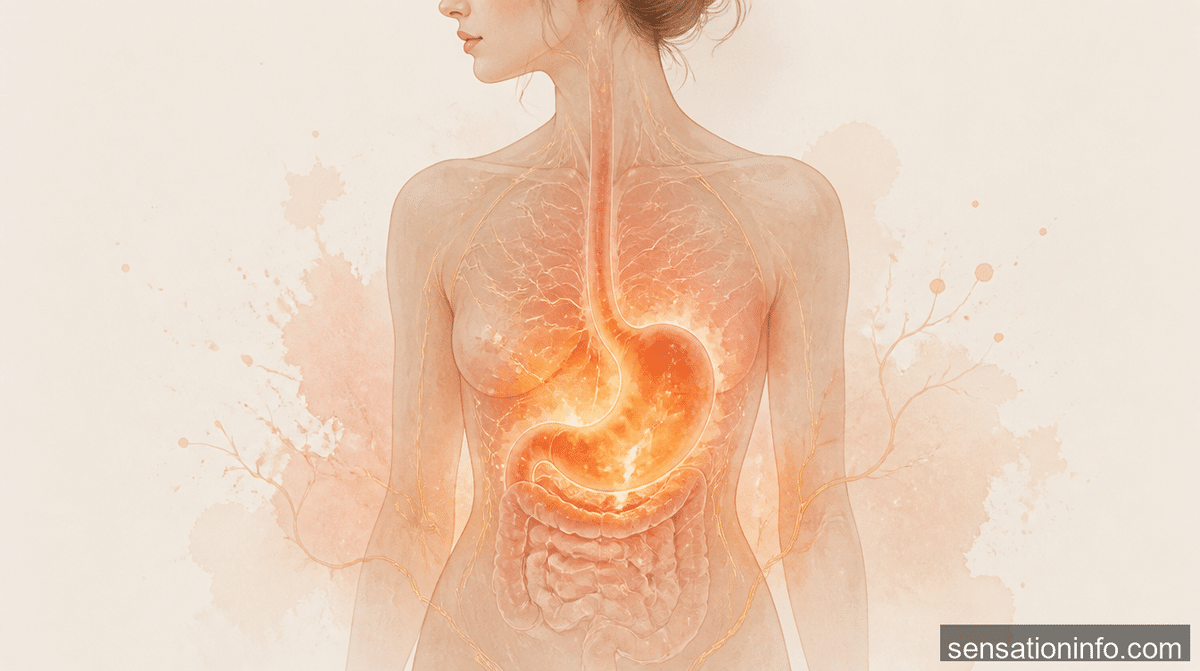
- Acid Reflux: One of the most common reasons for a burning sensation in the stomach is acid reflux, also known as gastroesophageal reflux disease (GERD). This occurs when the stomach acid flows back up into the esophagus, causing irritation and discomfort. I’ve seen many patients who’ve struggled with acid reflux, and it’s crucial to address the issue promptly to prevent long-term damage.
- Food Intolerances: Some people may experience a burning sensation in their stomach due to food intolerances, such as lactose intolerance or gluten sensitivity. In these cases, the body struggles to digest certain nutrients, leading to inflammation and discomfort. As a doctor, I always recommend keeping a food diary to track any potential triggers.
- Stomach Ulcers: Peptic ulcers, which are open sores in the lining of the stomach or duodenum, can cause a burning sensation in the stomach. These ulcers can be painful and may require medical attention to heal properly. I’ve worked with patients who’ve suffered from stomach ulcers, and it’s essential to address the underlying causes, such as Helicobacter pylori (H. pylori) infections or long-term use of nonsteroidal anti-inflammatory drugs (NSAIDs).
- Inflammatory Bowel Disease (IBD): Conditions like Crohn’s disease and ulcerative colitis can cause inflammation in the digestive tract, leading to a burning sensation in the stomach. As a medical professional, it’s crucial to distinguish between IBD and irritable bowel syndrome (IBS), as the treatment approaches differ significantly.
- Stress and Anxiety: Believe it or not, stress and anxiety can also contribute to a burning sensation in the stomach. When we’re under pressure, our body’s “fight or flight” response can cause the stomach to produce more acid, leading to discomfort and burning. I always emphasize the importance of stress management techniques, such as meditation or deep breathing exercises, to help alleviate symptoms.
Diagnosing the Underlying Cause
A Comprehensive Approach
Diagnosing the underlying cause of a burning sensation in the stomach requires a comprehensive approach. As a doctor, I would typically start by taking a thorough medical history, performing a physical examination, and conducting diagnostic tests to rule out any underlying conditions. These tests may include:

- Endoscopy: A procedure that involves inserting a flexible tube with a camera and light on the end to visualize the inside of the stomach and duodenum.
- Blood Tests: To check for signs of inflammation, infection, or other conditions that may be contributing to the burning sensation.
- Imaging Studies: Such as X-rays, CT scans, or MRI scans to visualize the stomach and surrounding tissues.
Treatment Options
Finding Relief from the Burning Sensation
Once the underlying cause of the burning sensation has been identified, treatment can begin. The goal is to alleviate the discomfort, manage the underlying condition, and prevent future episodes. Here are some potential treatment options:
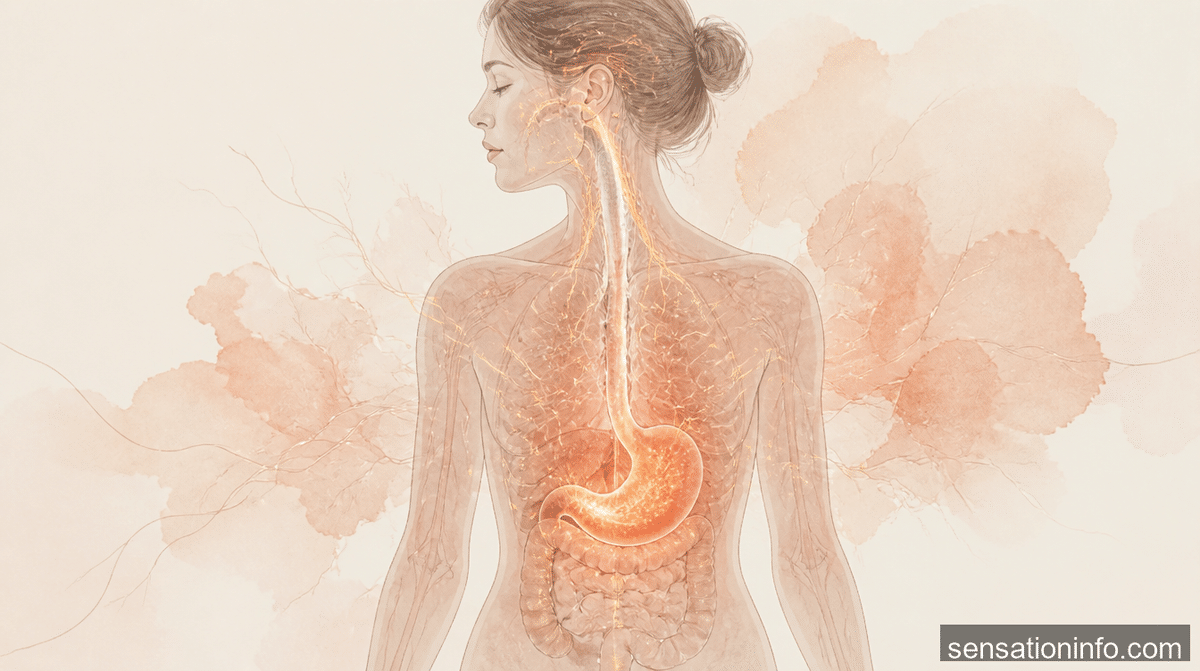
- Lifestyle Modifications: Making changes to diet, stress levels, and sleep habits can help alleviate symptoms.
- Medications: Over-the-counter or prescription medications, such as antacids, histamine-2 (H2) blockers, or proton pump inhibitors (PPIs), can help reduce stomach acid and alleviate symptoms.
- Alternative Therapies: Some patients may find relief through alternative therapies, such as acupuncture, herbal supplements, or probiotics.
Managing Stress and Anxiety
The Mind-Body Connection
As I mentioned earlier, stress and anxiety can contribute to a burning sensation in the stomach. Managing stress and anxiety is essential to alleviating symptoms and preventing future episodes. Here are some tips:
- Practice Relaxation Techniques: Such as meditation, deep breathing exercises, or yoga to help calm the mind and body.
- Exercise Regularly: Regular physical activity can help reduce stress and anxiety levels.
- Get Enough Sleep: Aim for 7-8 hours of sleep per night to help regulate the body’s stress response.
Frequently Asked Questions
To alleviate a burning sensation in your stomach, try making lifestyle modifications, such as avoiding trigger foods, managing stress and anxiety, and getting enough sleep. You can also try over-the-counter medications, such as antacids or H2 blockers, to help reduce stomach acid.
Yes, a burning sensation in the stomach can be a sign of a more serious condition, such as a stomach ulcer or inflammatory bowel disease. If you’re experiencing persistent or severe symptoms, it’s essential to seek medical attention to rule out any underlying conditions.
The recovery time for a burning sensation in the stomach depends on the underlying cause and the effectiveness of treatment. In some cases, symptoms may resolve quickly, while in other cases, it may take several weeks or months to manage the condition and alleviate symptoms.
Yes, there are steps you can take to prevent a burning sensation in your stomach, such as avoiding trigger foods, managing stress and anxiety, and getting enough sleep. You can also try incorporating relaxation techniques, such as meditation or deep breathing exercises, into your daily routine.
If left untreated, a burning sensation in the stomach can lead to complications, such as stomach ulcers, inflammation, and scarring. In severe cases, it can also increase the risk of developing stomach cancer.
Final Thoughts
Taking Control of Your Health
A burning sensation in the stomach can be a uncomfortable and worrying experience, but it’s essential to remember that there’s always a logical explanation behind it. By understanding the possible causes, diagnosing the underlying condition, and exploring treatment options, you can take control of your health and alleviate symptoms. As a medical professional, I always emphasize the importance of self-care, stress management, and a balanced lifestyle in maintaining overall health and well-being. By working together, we can uncover the underlying causes of a burning sensation in the stomach and find effective solutions to manage symptoms and prevent future episodes.
In conclusion, a burning sensation in the stomach is a symptom that requires attention and care. By being proactive, seeking medical attention when necessary, and making lifestyle modifications, you can alleviate symptoms and improve your overall quality of life. Remember, your health is in your hands, and it’s never too late to make a positive change. As your healthcare provider, I’m committed to helping you navigate the complexities of your body and find effective solutions to manage your symptoms and achieve optimal health.
Article written by Dr Peeyush Kumawat at Sensationinfo.com