
Introduction to Lower Leg Sensations
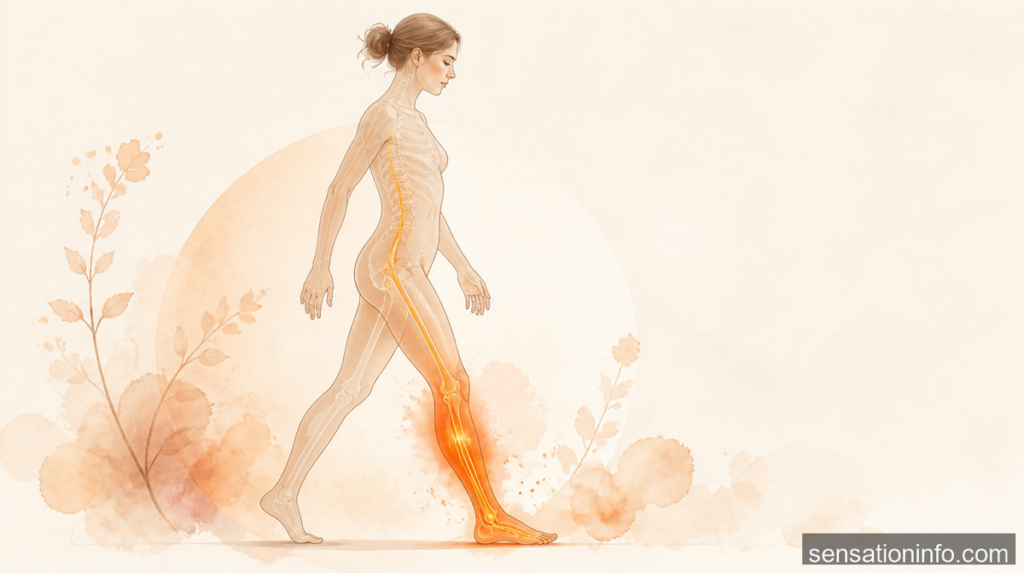
As a medical professional, I’ve encountered numerous patients who’ve experienced a warm sensation in their lower leg. This symptom can be both intriguing and unsettling, leaving many to wonder what’s causing it. I must say, I’ve been in situations where I’ve had to reassure patients that this sensation, while annoying, isn’t always a sign of a severe condition. However, it’s crucial to understand the possible causes to determine the best course of action. In this article, I’ll delve into the world of lower leg sensations, exploring the various reasons behind this warm feeling.
When patients come to me with complaints of a warm sensation in their lower leg, my first step is to ask questions. Where exactly is the warmth located? Is it constant or does it come and go? Are there any other symptoms accompanying this sensation, such as pain, numbness, or tingling? These questions help me narrow down the possible causes and guide my examination. I’ve found that taking a thorough history is essential in diagnosing the root cause of this symptom.
The human body is complex, and sensations like warmth in the lower leg can stem from a multitude of factors. It could be related to circulation, nerve issues, or even musculoskeletal problems. As someone who’s worked with many patients experiencing such sensations, I can assure you that understanding the cause is key to finding relief. So, let’s explore the potential reasons behind this warm sensation in the lower leg and discuss what you can do about it.
Circulatory Causes of Warmth
Blood Flow and Warmth
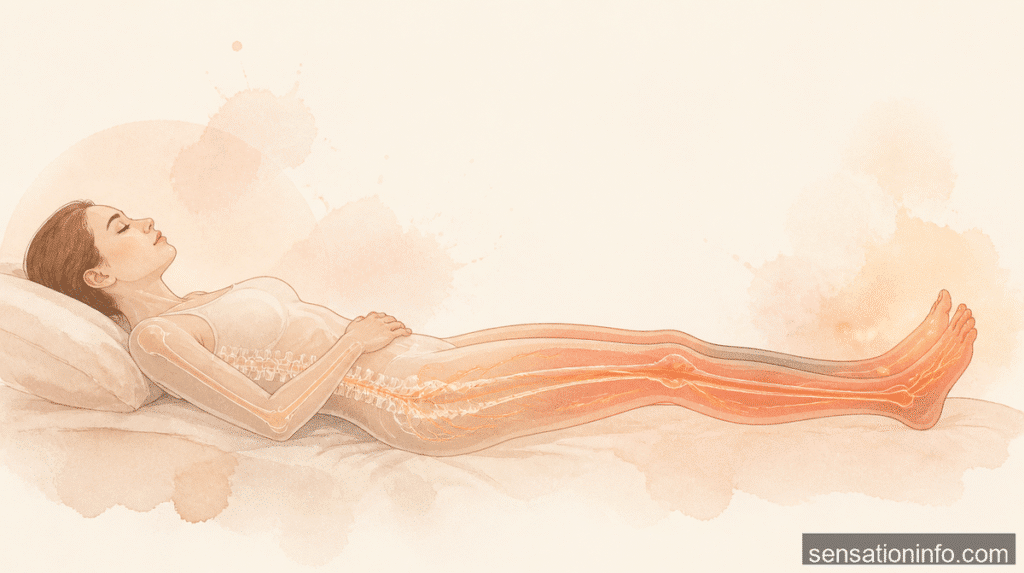
One of the primary causes of a warm sensation in the lower leg is related to blood flow. Our circulatory system is designed to distribute heat throughout the body, and sometimes, this can lead to sensations of warmth in certain areas. For instance, if you’ve been sitting for a long period, your legs might feel warm due to poor circulation. This is a common and generally harmless condition. However, it’s essential to differentiate between normal variations in circulation and signs of a potential issue.
Conditions like peripheral artery disease (PAD) can also lead to warm sensations in the legs. PAD involves the narrowing of arteries, which can affect blood flow. While PAD itself might cause coldness in the legs due to reduced blood flow, the body’s attempt to compensate can sometimes result in feelings of warmth. It’s a complex interplay, and diagnosing such conditions requires a thorough medical evaluation.
- Poor Circulation: This can lead to warm sensations due to the body’s natural response to reduced blood flow.
- Peripheral Artery Disease (PAD): While it often causes coldness, the body’s compensatory mechanisms can sometimes result in warmth.
- Varicose Veins: These can lead to increased blood flow in certain areas, potentially causing warmth.
Nerve-Related Causes
Nerve Issues and Sensations
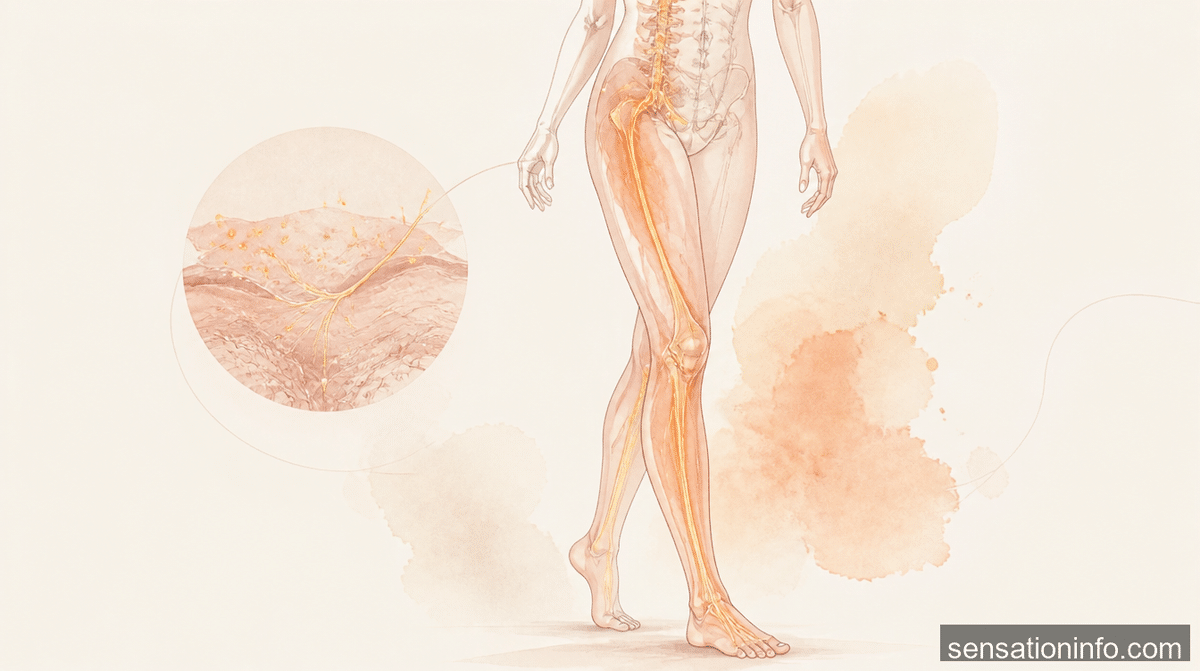
Nerve problems are another significant cause of warm sensations in the lower leg. Our nerves are responsible for transmitting signals throughout the body, and when they’re irritated or damaged, it can lead to abnormal sensations. Conditions like sciatica, which involves irritation of the sciatic nerve, can cause a warm sensation, along with pain, numbness, and tingling.
Neuropathy, which involves damage to the peripheral nerves, can also lead to sensations of warmth, burning, or tingling in the legs. This condition can result from various factors, including diabetes, nutritional deficiencies, and certain medications. The key to managing neuropathy is identifying the underlying cause and addressing it.
- Sciatica: Irritation of the sciatic nerve can cause warmth, along with other symptoms like pain and numbness.
- Neuropathy: Damage to peripheral nerves can lead to sensations of warmth, burning, or tingling.
- Nerve Compression: Compression of nerves in the lower back or leg can cause abnormal sensations, including warmth.
Musculoskeletal Causes
Muscle and Bone Issues
Musculoskeletal issues can also contribute to warm sensations in the lower leg. Muscle strains, for example, can lead to inflammation, which might cause warmth in the affected area. Similarly, conditions like shin splints, which involve inflammation of the tissue surrounding the tibia, can result in feelings of warmth and pain.
Even bone conditions, such as stress fractures, can cause warmth due to the body’s healing process. When a bone is stressed or fractured, the body increases blood flow to the area to facilitate repair, which can lead to sensations of warmth.
- Muscle Strains: Inflammation from muscle strains can cause warmth in the affected area.
- Shin Splints: Inflammation of the tissue around the tibia can lead to warmth and pain.
- Stress Fractures: The healing process for bone fractures can increase blood flow, causing warmth.
Other Potential Causes
Less Common Factors
While circulatory, nerve, and musculoskeletal issues are common causes of warm sensations in the lower leg, there are other, less common factors to consider. Certain medications, for example, can cause warmth as a side effect. Similarly, infections or inflammation in the leg can lead to sensations of warmth.
It’s also possible for warm sensations to be related to hormonal changes, particularly in women. During menopause, for instance, some women experience hot flashes, which can sometimes be felt in the legs.
- Medications: Certain drugs can cause warmth as a side effect.
- Infections: Localized infections or inflammation can lead to warmth.
- Hormonal Changes: Hormonal fluctuations, such as those during menopause, can cause sensations of warmth.
Frequently Asked Questions
If you experience a sudden warm sensation in your lower leg, it’s essential to remain calm and assess the situation. If the sensation is accompanied by severe pain, numbness, or difficulty walking, seek medical attention. However, if it’s a mild sensation without other symptoms, you can try to stay hydrated, elevate your legs, and avoid crossing them, which can help improve circulation.
While warm sensations in the lower leg can be a sign of a serious condition, they are often related to minor issues such as poor circulation or muscle strain. It’s crucial to consult a healthcare professional to determine the cause and receive appropriate treatment.
Preventing warm sensations in the lower leg often involves maintaining good circulation, exercising regularly, and avoiding prolonged periods of sitting or standing. Wearing loose, comfortable clothing and staying hydrated can also help.
Yes, there are several home remedies that can help alleviate warm sensations in the lower leg. Applying a cold compress, elevating your legs, and practicing gentle stretches can provide relief. However, if the sensations persist or are severe, it’s best to consult a healthcare professional.
Yes, certain nutritional deficiencies, such as a lack of vitamin B12 or iron, can cause neuropathy, leading to sensations of warmth, numbness, or tingling in the legs. Ensuring you have a balanced diet and considering supplements if necessary can help prevent such deficiencies.
Final Thoughts
Conclusion andRecommendations
Experiencing a warm sensation in the lower leg can be a puzzling and sometimes worrying symptom. However, by understanding the potential causes and taking proactive steps, you can find relief and improve your overall health. It’s essential to approach this symptom with a thorough and open-minded perspective, considering both common and less common causes.
As a medical professional, my advice is to stay informed but not to self-diagnose. If you’re concerned about a warm sensation in your lower leg, consult with a healthcare provider. They can offer personalized advice and treatment based on your specific situation. Remember, knowledge is power, and being proactive about your health is the first step towards feeling better.
In conclusion, a warm sensation in the lower leg can stem from a variety of causes, ranging from circulatory issues to nerve problems and musculoskeletal conditions. By staying active, maintaining good circulation, and addressing any underlying health issues, you can reduce the likelihood of experiencing this symptom. If you do encounter a warm sensation in your lower leg, remain calm, assess your situation, and seek medical attention if necessary. Your health is worth it, and with the right approach, you can find relief and continue living a healthy, active life.
—
Article written by Dr Peeyush Kumawat at Sensationinfo.com