
Introduction to the Burning Sensation
As a medical professional, I’ve encountered numerous patients who’ve experienced a burning sensation in their shoulder blade. This discomfort can range from a mild irritation to a debilitating pain that affects daily activities. I recall a patient who was an avid tennis player and had to stop playing due to the persistent burning sensation in her shoulder blade. Understanding the causes and effective treatments for this condition is crucial for providing relief and preventing further complications. In this article, I’ll share my expertise on how to treat burning sensation in the shoulder blade, exploring the possible causes, diagnosis, and various treatment options.
The burning sensation in the shoulder blade can be attributed to several factors, including poor posture, muscle strain, or underlying medical conditions. It’s essential to identify the root cause of the discomfort to develop an effective treatment plan. I’ve seen patients who’ve experienced relief from simple lifestyle modifications, while others required more intensive medical interventions. As we delve into the world of shoulder blade anatomy and physiology, it’s crucial to maintain a holistic approach, considering both the physical and emotional aspects of the condition.
As a doctor, my primary concern is to provide patients with accurate information and guidance on managing their symptoms. The burning sensation in the shoulder blade can be a challenging condition to diagnose, as it may be related to various factors, including lifestyle habits, occupation, or pre-existing medical conditions. Throughout this article, I’ll share my clinical experience and expertise to help readers understand the condition, identify potential causes, and explore treatment options. Whether you’re experiencing mild discomfort or severe pain, it’s essential to seek medical attention to rule out any underlying conditions that may require immediate attention.
Understanding the Anatomy and Physiology
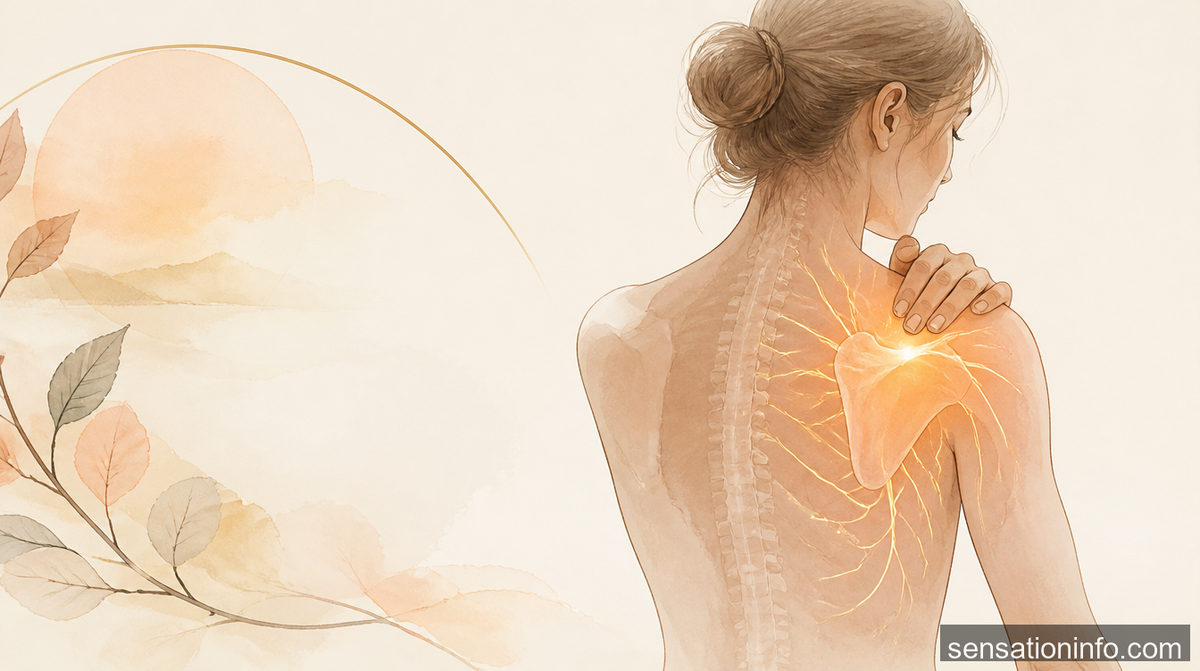
To comprehend the burning sensation in the shoulder blade, it’s vital to understand the anatomy and physiology of the region. The shoulder blade, also known as the scapula, is a triangular bone that plays a crucial role in movements of the upper limb. The scapula is connected to the humerus (upper arm bone) and the clavicle (collarbone), forming a complex joint that allows for a wide range of motions. The muscles surrounding the scapula, including the trapezius, rhomboids, and levator scapulae, work in harmony to stabilize and move the shoulder joint.
The burning sensation in the shoulder blade can be caused by inflammation or irritation of the muscles, tendons, or nerves in the region. The suprascapular nerve, which runs through the suprascapular notch, can become compressed or irritated, leading to pain and discomfort. Similarly, the trapezius muscle, which is responsible for scapular rotation and elevation, can become strained or inflamed, causing a burning sensation. As a medical professional, it’s essential to consider the intricate relationships between the muscles, bones, and nerves in the shoulder region to develop an effective treatment plan.

Possible Causes of the Burning Sensation
The burning sensation in the shoulder blade can be attributed to various factors, including lifestyle habits, occupation, or pre-existing medical conditions. Some common causes of the condition include:
- Poor posture: Prolonged periods of sitting or standing with poor posture can lead to muscle strain and inflammation, causing a burning sensation in the shoulder blade.
- Muscle strain: Overuse or repetitive movements of the shoulder joint can cause muscle strain, leading to pain and discomfort.
- Nerve compression: Compression or irritation of the suprascapular nerve can cause a burning sensation in the shoulder blade.
- Underlying medical conditions: Conditions such as fibromyalgia, arthritis, or thoracic outlet syndrome can cause a burning sensation in the shoulder blade.
It’s essential to consult with a medical professional to determine the underlying cause of the burning sensation. A thorough medical history, physical examination, and diagnostic tests may be necessary to rule out any underlying conditions that require immediate attention.

Diagnosis and Treatment Options
Diagnosing the burning sensation in the shoulder blade requires a comprehensive approach, including a medical history, physical examination, and diagnostic tests. As a doctor, I typically begin by asking patients about their symptoms, lifestyle habits, and occupation to identify potential causes. A physical examination may involve assessing the range of motion, strength, and flexibility of the shoulder joint, as well as palpating the muscles and tendons to identify areas of tenderness.
Diagnostic tests, such as X-rays, MRI, or EMG, may be necessary to rule out any underlying conditions, such as fractures, tumors, or nerve damage. Once the underlying cause is identified, treatment options can be developed to address the condition. Some common treatment options for the burning sensation in the shoulder blade include:
- Physical therapy: Gentle exercises and stretches can help improve posture, reduce muscle strain, and relieve pain.
- Pain management: Over-the-counter pain medications, such as acetaminophen or ibuprofen, can help reduce pain and inflammation.
- Corticosteroid injections: Injecting corticosteroids into the affected area can help reduce inflammation and relieve pain.
- Alternative therapies: Acupuncture, massage, or chiropractic care can help reduce pain and improve range of motion.
Lifestyle Modifications for Relief
In addition to medical treatment, lifestyle modifications can play a significant role in relieving the burning sensation in the shoulder blade. As a doctor, I recommend the following:
- Maintain good posture: Avoid slouching or leaning forward, which can put strain on the muscles and joints in the shoulder region.
- Take regular breaks: If you have a job that involves repetitive movements or sitting for prolonged periods, take regular breaks to stretch and move around.
- Exercise regularly: Gentle exercises, such as yoga or Pilates, can help improve flexibility and strength in the shoulder region.
- Manage stress: Stress can exacerbate muscle tension and pain; engage in stress-reducing activities, such as meditation or deep breathing.
By incorporating these lifestyle modifications into your daily routine, you can help reduce the burning sensation in your shoulder blade and improve overall shoulder health.
Frequently Asked Questions
The burning sensation in the shoulder blade can be caused by various factors, including poor posture, muscle strain, nerve compression, or underlying medical conditions. It’s essential to consult with a medical professional to determine the underlying cause of the condition.
You can try gentle exercises, such as shoulder rolls and chest stretches, to help relieve tension and pain. Applying heat or cold packs to the affected area can also help reduce inflammation and relieve pain. However, if the pain persists or worsens, it’s essential to seek medical attention.
Yes, physical therapy can be an effective treatment option for the burning sensation in the shoulder blade. A physical therapist can help you develop a customized exercise program to improve posture, reduce muscle strain, and relieve pain.
Yes, alternative therapies, such as acupuncture, massage, or chiropractic care, can help reduce pain and improve range of motion. However, it’s essential to consult with a medical professional before seeking alternative therapies to ensure they are safe and effective for your condition.
The recovery time for the burning sensation in the shoulder blade varies depending on the underlying cause and treatment plan. With proper treatment and lifestyle modifications, you can expect to experience relief from symptoms within a few weeks to several months. However, it’s essential to work closely with a medical professional to develop a personalized treatment plan and monitor progress.
Final Thoughts
The burning sensation in the shoulder blade can be a challenging condition to diagnose and treat. As a medical professional, I emphasize the importance of seeking medical attention if you’re experiencing persistent or severe pain. By working closely with a healthcare provider, you can develop a personalized treatment plan that addresses the underlying cause of the condition and provides relief from symptoms. Remember to incorporate lifestyle modifications, such as maintaining good posture, taking regular breaks, and exercising regularly, to help reduce the burning sensation and improve overall shoulder health. If you’re experiencing a burning sensation in your shoulder blade, don’t hesitate to seek medical attention and take the first step towards a pain-free life.
In conclusion, treating the burning sensation in the shoulder blade requires a comprehensive approach that considers the physical, emotional, and lifestyle factors that contribute to the condition. By understanding the anatomy and physiology of the shoulder region, identifying potential causes, and exploring treatment options, you can take control of your symptoms and improve your overall well-being. As a doctor, my goal is to empower patients with the knowledge and tools they need to manage their condition and achieve optimal health. If you’re experiencing a burning sensation in your shoulder blade, I encourage you to seek medical attention and start your journey towards a pain-free life.
Article written by Dr Peeyush Kumawat at Sensationinfo.com