
Reduce Nerve Tingling with Diet and Vitamins: A Comprehensive Guide
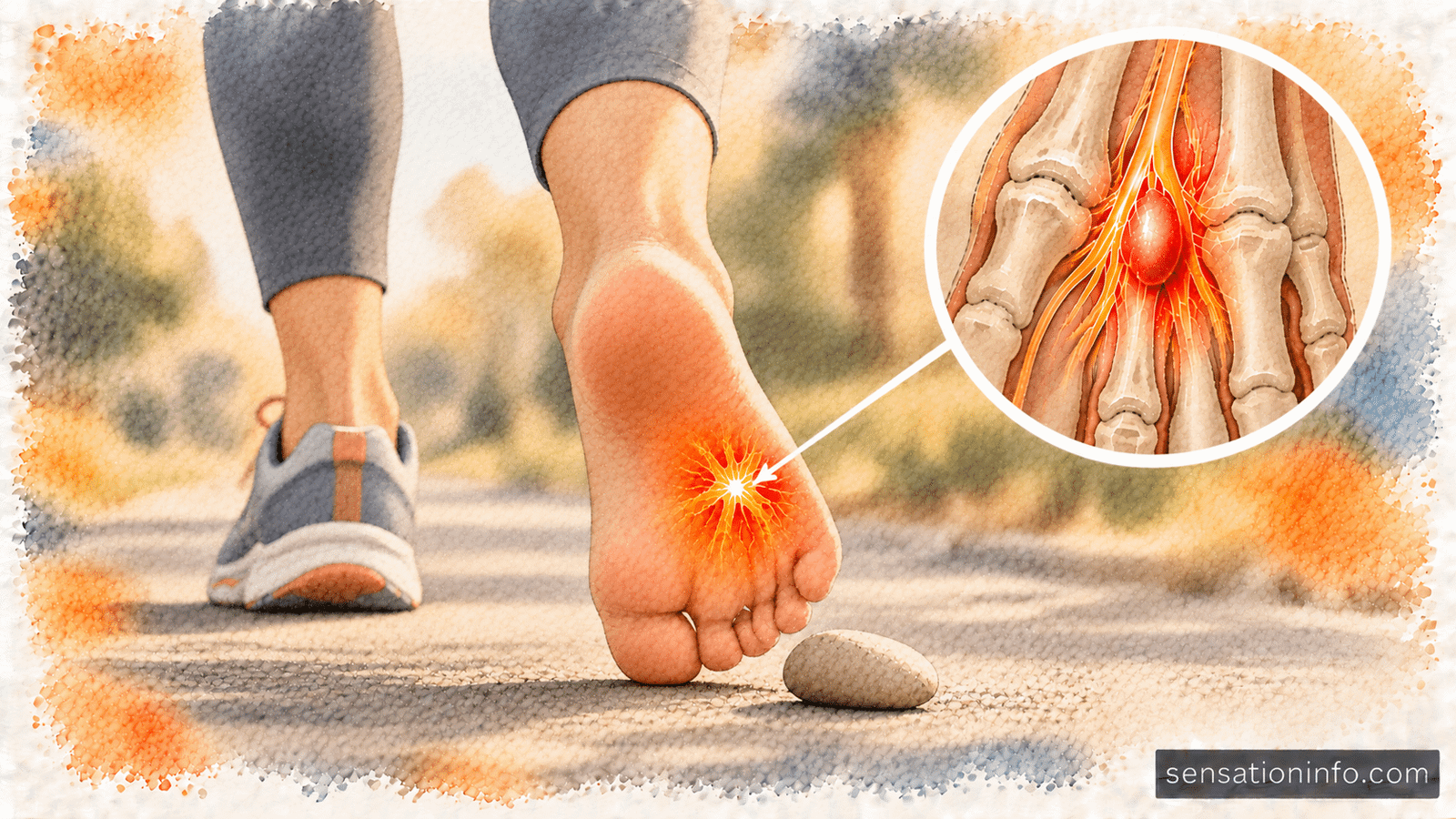
As a medical professional, I’ve seen many patients struggling with nerve tingling, a condition that can be both frustrating and debilitating. Nerve tingling, also known as paresthesia, is a sensation of numbness, tingling, or prickling in the skin, often caused by nerve damage or compression. While it can be a symptom of an underlying medical condition, there are many natural ways to reduce nerve tingling with diet and vitamins. In this article, I’ll share my expertise on how to alleviate nerve tingling symptoms using a combination of nutritional changes, home remedies, and prevention tips.
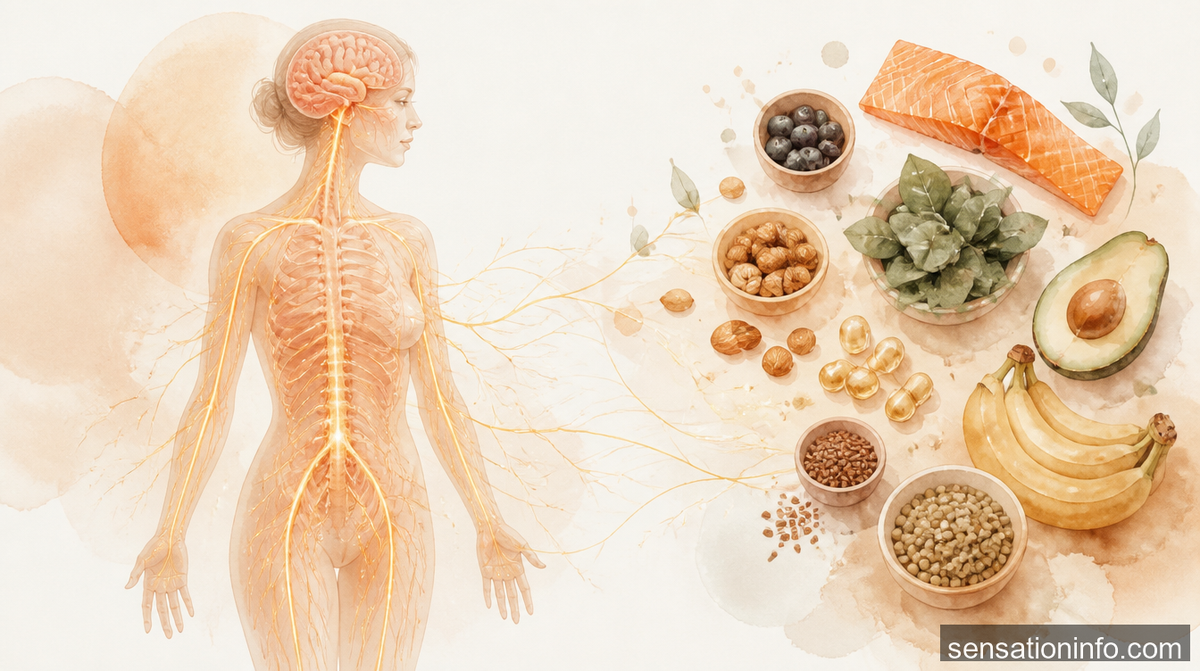
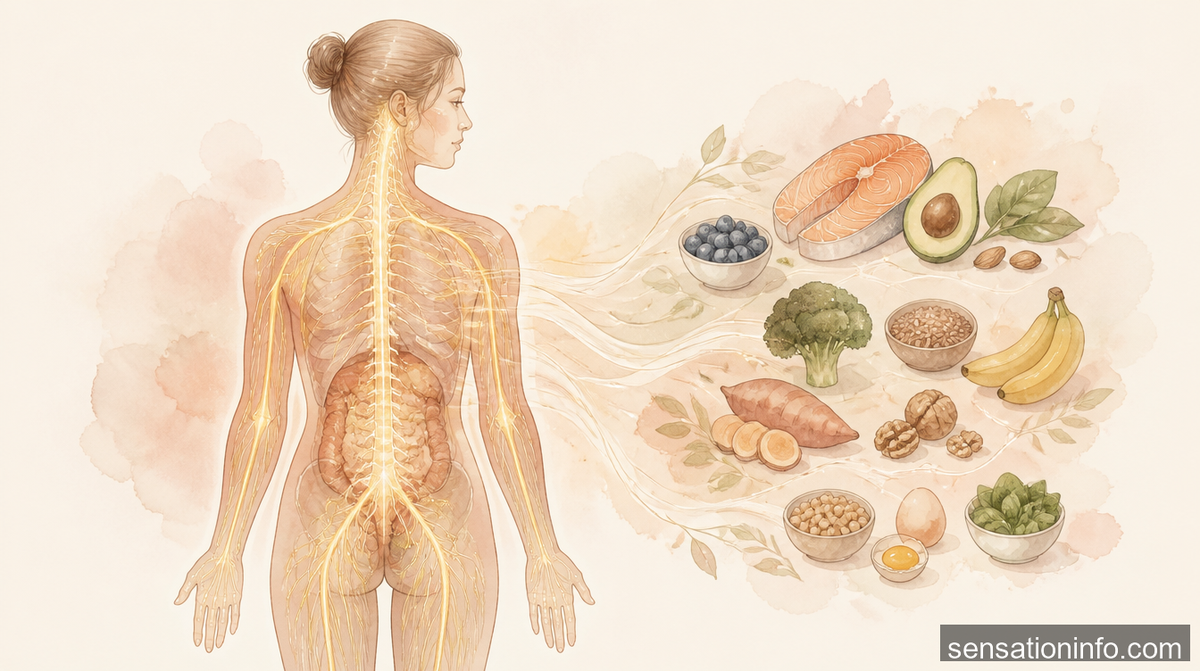
First, let’s talk about the importance of nutrition in reducing nerve tingling. A well-balanced diet rich in essential nutrients can help support nerve health and alleviate symptoms. Some of the key nutrients that can help reduce nerve tingling include vitamin B12, vitamin D, magnesium, and potassium. These nutrients play a crucial role in maintaining healthy nerve function and can be found in a variety of foods, including leafy greens, fatty fish, and whole grains.
Quick-Answer Box:
To reduce nerve tingling, focus on consuming a balanced diet rich in:
- Vitamin B12: found in animal products, such as meat, fish, and dairy
- Vitamin D: found in fatty fish, fortified dairy products, and sunlight exposure
- Magnesium: found in dark leafy greens, nuts, and whole grains
- Potassium: found in bananas, avocados, and sweet potatoes
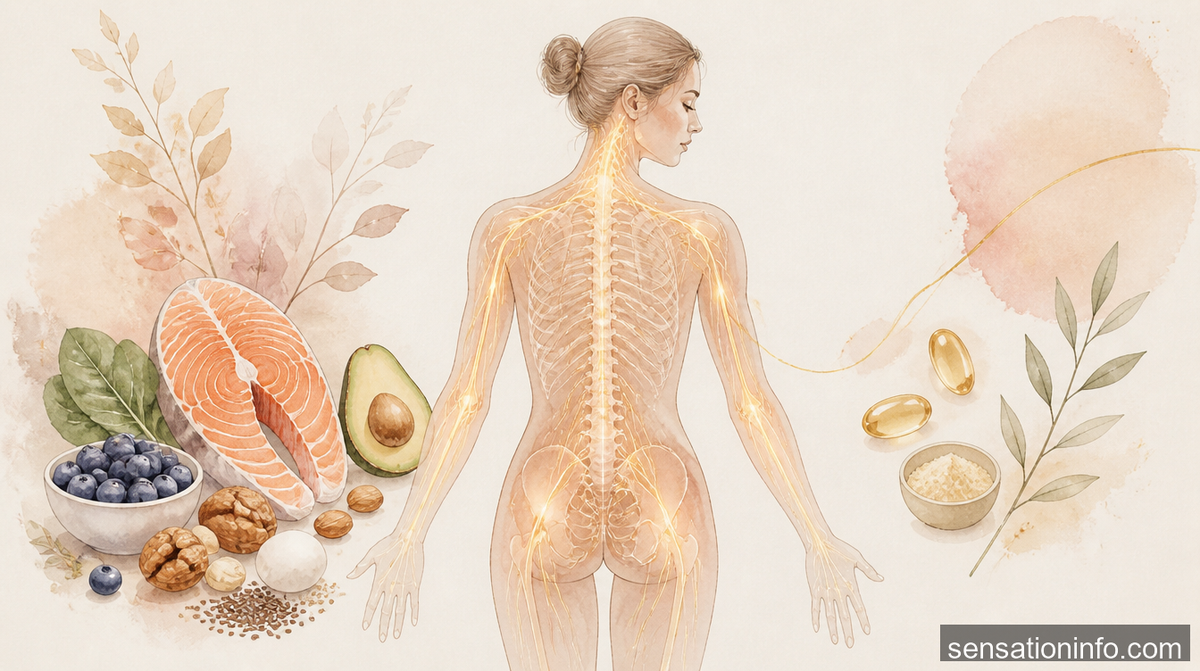
Additionally, consider taking supplements, such as alpha-lipoic acid and acetyl-L-carnitine, which have been shown to support nerve health.
Before we dive deeper into the world of nutrients and supplements, I want to note that it’s essential to consult with a healthcare professional before making any significant changes to your diet or supplement routine. As a medical reviewer, I always emphasize the importance of seeking professional advice, especially if you’re experiencing persistent or severe nerve tingling symptoms.
Now, let’s take a closer look at the symptoms of nerve tingling. If you’re experiencing any of the following, you may be struggling with nerve tingling:
- Numbness or tingling in your hands or feet
- Prickling or burning sensations in your skin
- Weakness or fatigue in your muscles
- Difficulty walking or maintaining balance
- Pain or discomfort in your extremities
These symptoms can be caused by a variety of factors, including nerve compression, vitamin deficiencies, and underlying medical conditions, such as diabetes or multiple sclerosis. If you’re experiencing any of these symptoms, it’s essential to consult with a healthcare professional to rule out any underlying conditions that may need medical attention.
So, how can you reduce nerve tingling with diet and vitamins? Here’s a step-by-step guide to get you started:
- Eat a balanced diet: Focus on consuming whole, unprocessed foods, including fruits, vegetables, whole grains, and lean proteins.
- Incorporate nerve-friendly nutrients: Add foods rich in vitamin B12, vitamin D, magnesium, and potassium to your diet.
- Stay hydrated: Drink plenty of water throughout the day to help keep your nerves healthy and functioning properly.
- Exercise regularly: Engage in physical activity, such as walking or yoga, to help improve blood flow and reduce nerve compression.
- Manage stress: Practice stress-reducing techniques, such as meditation or deep breathing, to help alleviate nerve tingling symptoms.
In addition to these dietary changes, there are several home remedies that can help reduce nerve tingling. Some of my favorites include:
- Warm baths: Soak in a warm bath to help relax your muscles and improve blood flow.
- Massage therapy: Massage your affected areas to help reduce nerve compression and improve circulation.
- Essential oils: Use essential oils, such as peppermint or eucalyptus, to help alleviate pain and discomfort.
To prevent nerve tingling from occurring in the first place, it’s essential to practice good nerve health. Here are some prevention tips to keep in mind:
- Maintain a healthy weight: Excess weight can put pressure on your nerves, leading to tingling and numbness.
- Avoid repetitive motions: Repetitive motions, such as typing or using a computer mouse, can cause nerve compression and tingling.
- Get enough sleep: Aim for 7-8 hours of sleep per night to help your nerves regenerate and repair.
Frequently Asked Questions
Nerve tingling can be caused by a variety of factors, including nerve compression, vitamin deficiencies, and underlying medical conditions, such as diabetes or multiple sclerosis. Other common causes include repetitive motions, poor posture, and certain medications.
The amount of time it takes to reduce nerve tingling with diet and vitamins can vary depending on the individual and the severity of their symptoms. In general, it can take several weeks to several months to notice significant improvements.
Yes, nerve tingling can be a symptom of an underlying medical condition, such as diabetes, multiple sclerosis, or peripheral neuropathy. If you’re experiencing persistent or severe nerve tingling symptoms, it’s essential to consult with a healthcare professional to rule out any underlying conditions.
Some of the best supplements for reducing nerve tingling include alpha-lipoic acid, acetyl-L-carnitine, and vitamin B12. However, it’s essential to consult with a healthcare professional before taking any supplements, as they can interact with certain medications or have side effects.
Yes, exercise can help reduce nerve tingling by improving blood flow and reducing nerve compression. Engage in physical activities, such as walking or yoga, to help alleviate nerve tingling symptoms.
When to See a Doctor
If you’re experiencing persistent or severe nerve tingling symptoms, it’s essential to consult with a healthcare professional to rule out any underlying conditions that may need medical attention. Additionally, if you’re experiencing any of the following symptoms, seek medical attention immediately:
- Sudden onset of nerve tingling or numbness
- Severe pain or discomfort
- Weakness or paralysis in your muscles
- Difficulty walking or maintaining balance
Sources
- National Institute of Neurological Disorders and Stroke. (2020). Peripheral Neuropathy Fact Sheet.
- American Diabetes Association. (2020). Diabetic Neuropathy.
- Mayo Clinic. (2020). Nerve pain: Symptoms and causes.
Food Sources
- Vitamin B12: animal products, such as meat, fish, and dairy
- Vitamin D: fatty fish, fortified dairy products, and sunlight exposure
- Magnesium: dark leafy greens, nuts, and whole grains
- Potassium: bananas, avocados, and sweet potatoes
Supplement Dosing Notes
- Alpha-lipoic acid: 600-1200 mg per day
- Acetyl-L-carnitine: 500-1000 mg per day
- Vitamin B12: 2.4-2.6 mcg per day
Timeline
- Week 1-2: Start incorporating nerve-friendly nutrients into your diet and taking supplements as recommended.
- Week 3-6: Notice improvements in nerve tingling symptoms, such as reduced numbness and tingling.
- Week 7-12: Continue to practice good nerve health and prevention tips to maintain improvements and prevent future episodes of nerve tingling.
In conclusion, reducing nerve tingling with diet and vitamins is a comprehensive approach that requires patience, dedication, and a willingness to make lifestyle changes. By incorporating nerve-friendly nutrients into your diet, practicing good nerve health, and seeking medical attention when necessary, you can alleviate nerve tingling symptoms and improve your overall quality of life. Remember to always consult with a healthcare professional before making any significant changes to your diet or supplement routine, and don’t hesitate to reach out if you have any further questions or concerns.
As a medical expert, I hope this article has provided you with the information and guidance you need to reduce nerve tingling with diet and vitamins. Remember, taking care of your nerves is an ongoing process that requires commitment and attention to your overall health and well-being. By working together, we can alleviate nerve tingling symptoms and improve your overall quality of life.
Article written by Dr Peeyush Kumawat at Sensationinfo.com