
Understanding the Uncomfortable Reality
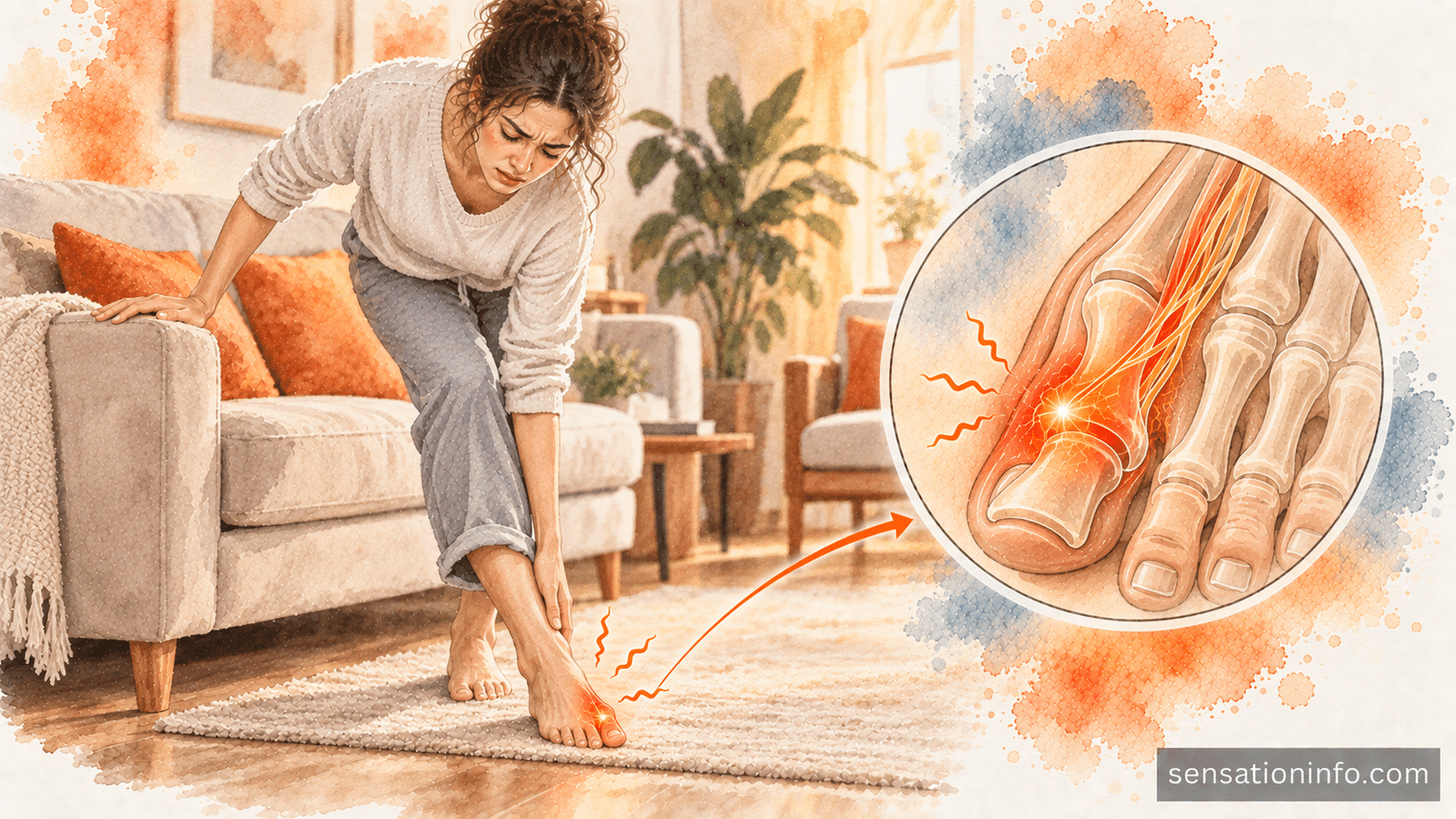
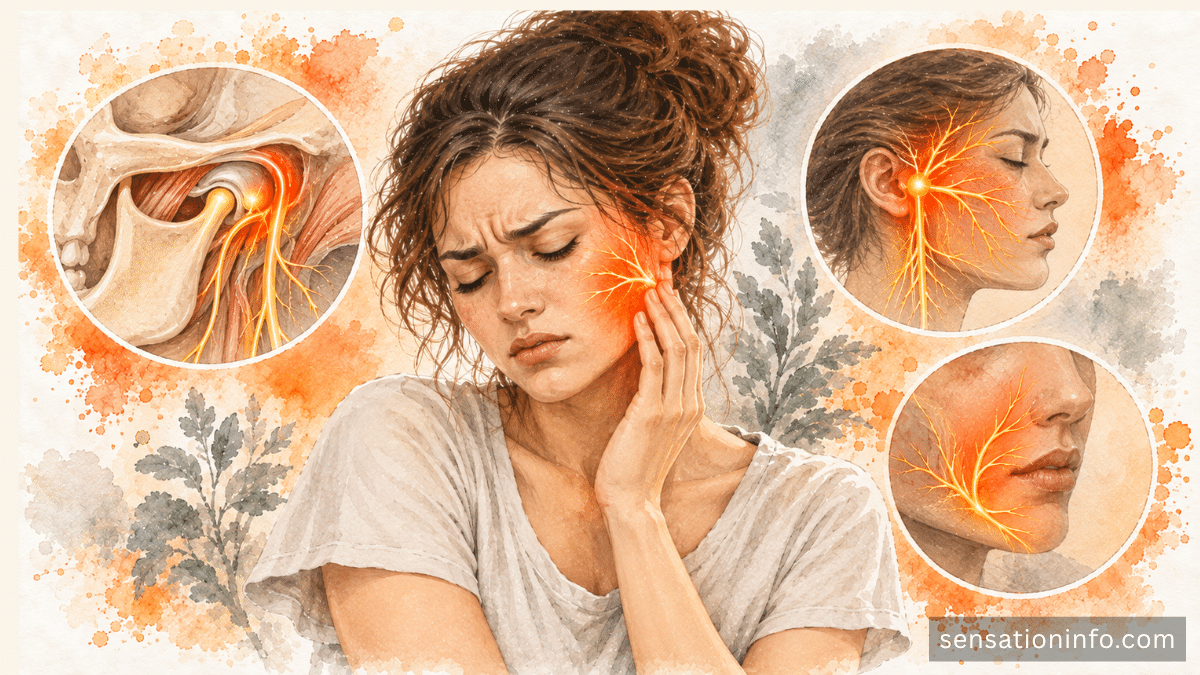
As a medical professional, I’ve encountered numerous patients who’ve experienced the unsettling sensation of skin crawling, also known as formication. It’s a feeling that can be quite distressing, making you want to scratch or rub your skin to alleviate the discomfort. I must admit, I’ve seen firsthand how this sensation can impact one’s daily life, causing anxiety and disrupting sleep patterns. In this article, I’ll guide you through the process of understanding and managing skin crawling sensation, providing you with practical tips and advice on how to stop it.
The Initial Steps: Calming the Nerves
When experiencing skin crawling sensation, it’s essential to remain calm and composed. I always recommend taking a few deep breaths, focusing on the sensation, and trying to relax. Sometimes, simply acknowledging the feeling and accepting it can help alleviate the discomfort. I’ve found that gentle exercises, such as yoga or meditation, can also help calm the nerves and reduce anxiety. By doing so, you’ll be better equipped to tackle the underlying causes of the sensation.
A Note from My Medical Review
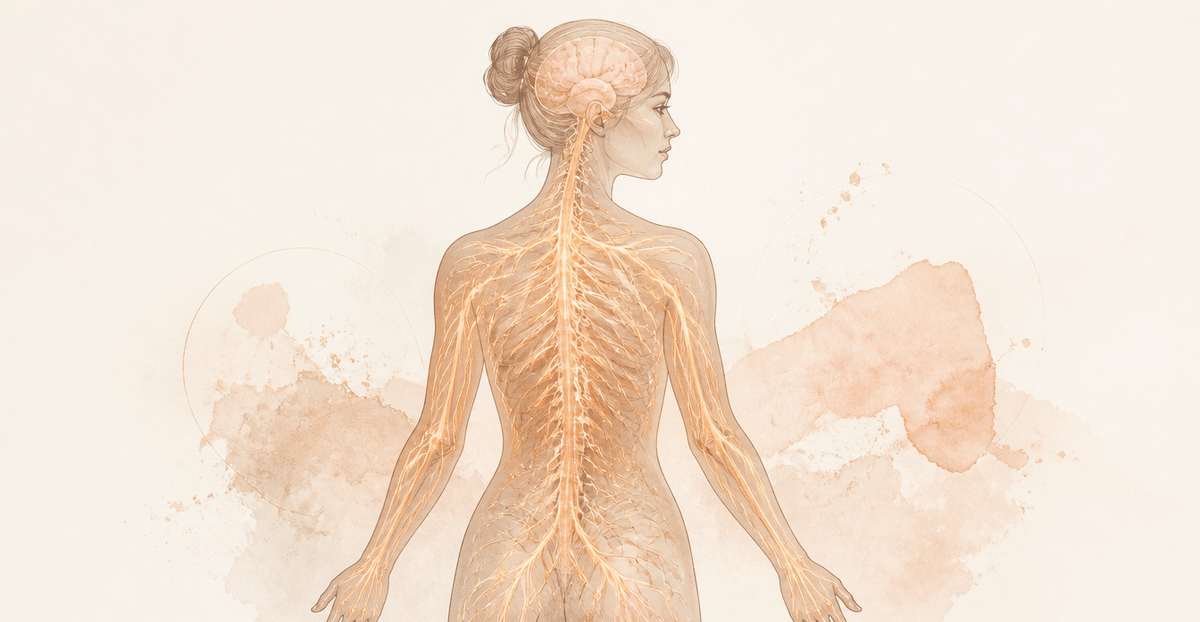
As a doctor, I must emphasize that skin crawling sensation can be a symptom of various underlying conditions, including neurological disorders, vitamin deficiencies, or even certain medications. It’s crucial to consult a medical professional if you’re experiencing persistent or severe formication. In my practice, I’ve seen cases where patients have undergone unnecessary treatments due to misdiagnosis. That’s why I always stress the importance of a thorough medical review to determine the root cause of the sensation.
Quick-Answer Box
If you’re looking for a quick solution to stop skin crawling sensation, here’s a brief summary:
- Stay hydrated by drinking plenty of water
- Avoid triggers such as caffeine, nicotine, and spicy foods
- Practice relaxation techniques like deep breathing, yoga, or meditation
- Apply topical creams or ointments to soothe the skin
- Consider taking supplements like vitamin B12 or magnesium
Recognizing the Symptoms
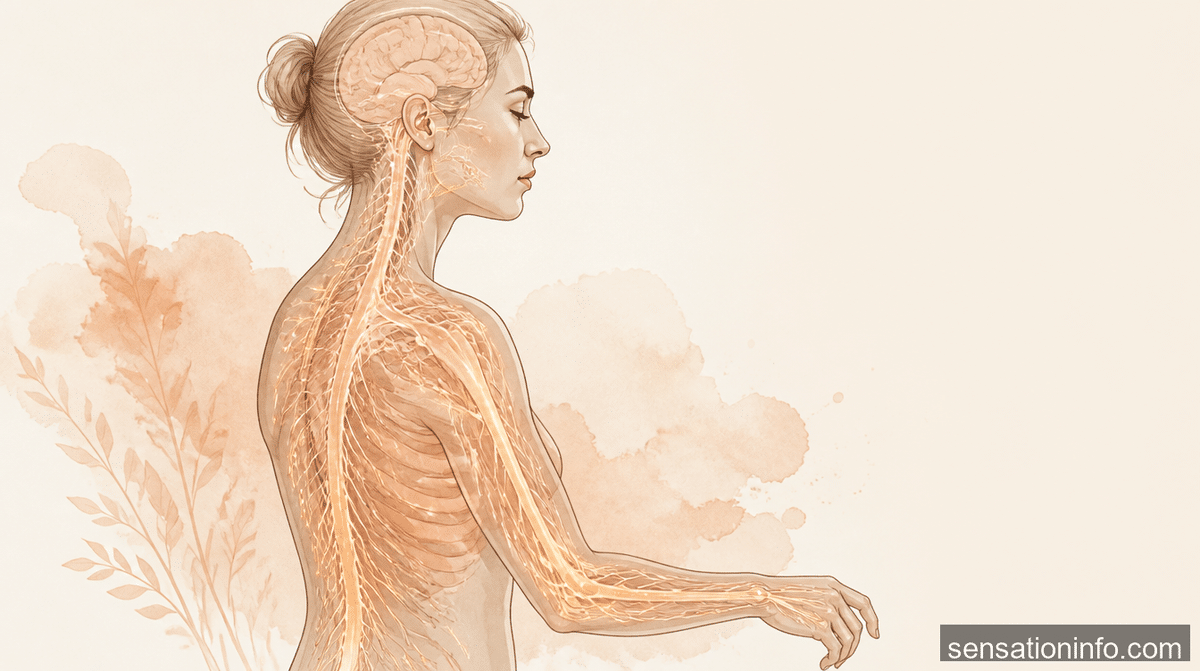
To effectively manage skin crawling sensation, it’s essential to recognize the symptoms. Here’s a checklist to help you identify the signs:
- Tingling or numbness in the skin
- Itching or burning sensations
- Feeling of ants crawling on the skin
- Redness or inflammation
- Discomfort or pain
If you’re experiencing any of these symptoms, it’s crucial to seek medical attention to rule out any underlying conditions.
Uncovering the Causes
Skin crawling sensation can be caused by a variety of factors, including:
- Neurological disorders such as multiple sclerosis or peripheral neuropathy
- Vitamin deficiencies like vitamin B12 or magnesium deficiency
- Certain medications, including antibiotics or antidepressants
- Skin conditions like eczema or psoriasis
- Anxiety or stress
It’s essential to identify the underlying cause to develop an effective treatment plan.
Step-by-Step Treatment
To stop skin crawling sensation, follow these steps:
- Consult a medical professional: Schedule an appointment with your doctor to rule out any underlying conditions.
- Keep a symptom journal: Track your symptoms to identify potential triggers.
- Stay hydrated: Drink plenty of water to keep your skin and nervous system healthy.
- Avoid triggers: Steer clear of triggers like caffeine, nicotine, and spicy foods.
- Practice relaxation techniques: Engage in activities like deep breathing, yoga, or meditation to calm your nerves.
- Apply topical creams or ointments: Use soothing creams or ointments to alleviate discomfort.
- Consider supplements: Take supplements like vitamin B12 or magnesium to address potential deficiencies.
Home Remedies for Relief
In addition to medical treatment, there are several home remedies that can provide relief from skin crawling sensation:
- Cold compress: Apply a cold compress to the affected area to reduce inflammation.
- Oatmeal bath: Soak in an oatmeal bath to soothe the skin.
- Aloe vera gel: Apply aloe vera gel to calm the skin and reduce itching.
- Tea tree oil: Mix a few drops of tea tree oil with a carrier oil and apply it to the affected area.
Prevention Tips
To prevent skin crawling sensation, follow these tips:
- Maintain a balanced diet: Eat a diet rich in fruits, vegetables, and whole grains.
- Stay hydrated: Drink plenty of water throughout the day.
- Exercise regularly: Engage in regular physical activity to reduce stress and anxiety.
- Get enough sleep: Aim for 7-8 hours of sleep per night to help regulate your nervous system.
Frequently Asked Questions
Skin crawling sensation can be caused by a variety of factors, including neurological disorders, vitamin deficiencies, certain medications, skin conditions, and anxiety or stress. It’s essential to consult a medical professional to determine the underlying cause.
To stop skin crawling sensation at night, try practicing relaxation techniques like deep breathing or meditation before bed. Avoid consuming caffeine or nicotine close to bedtime, and maintain a comfortable sleep environment.
Yes, skin crawling sensation can be a symptom of anxiety or stress. If you’re experiencing persistent or severe formication, it’s essential to consult a medical professional to rule out any underlying conditions.
Supplements like vitamin B12 or magnesium can help alleviate skin crawling sensation. However, it’s crucial to consult a medical professional before taking any supplements to ensure they won’t interact with any medications you’re currently taking.
Yes, skin crawling sensation can be a symptom of a more serious underlying condition, such as a neurological disorder or vitamin deficiency. If you’re experiencing persistent or severe formication, it’s essential to consult a medical professional for a thorough medical review.
When to See a Doctor
If you’re experiencing any of the following, it’s essential to consult a medical professional:
- Persistent or severe skin crawling sensation
- Difficulty sleeping due to formication
- Discomfort or pain
- Redness or inflammation
- Any underlying medical conditions that may be contributing to the sensation
Sources
For more information on skin crawling sensation, I recommend consulting reputable sources like the National Institute of Neurological Disorders and Stroke (NINDS) or the American Academy of Dermatology (AAD).
The Anxiety Link
Skin crawling sensation can be closely linked to anxiety and stress. If you’re experiencing persistent or severe formication, it’s essential to address any underlying anxiety or stress through relaxation techniques, therapy, or counseling.
Trigger Removal
To stop skin crawling sensation, it’s crucial to identify and remove any triggers that may be contributing to the sensation. This can include avoiding certain foods, quitting smoking, or reducing stress and anxiety.
Final Thoughts
In conclusion, skin crawling sensation can be a distressing and uncomfortable experience. However, by understanding the underlying causes and taking steps to manage the sensation, you can alleviate the discomfort and improve your overall well-being. Remember to stay calm, practice relaxation techniques, and consult a medical professional if you’re experiencing persistent or severe formication. By working together, we can develop an effective treatment plan to help you stop skin crawling sensation and regain control over your life.
As a medical professional, I want to assure you that there is hope for relief. Don’t hesitate to reach out to your doctor or a healthcare professional for guidance and support. With the right treatment and care, you can overcome skin crawling sensation and live a healthier, happier life.
Article written by Dr Peeyush Kumawat at Sensationinfo.com