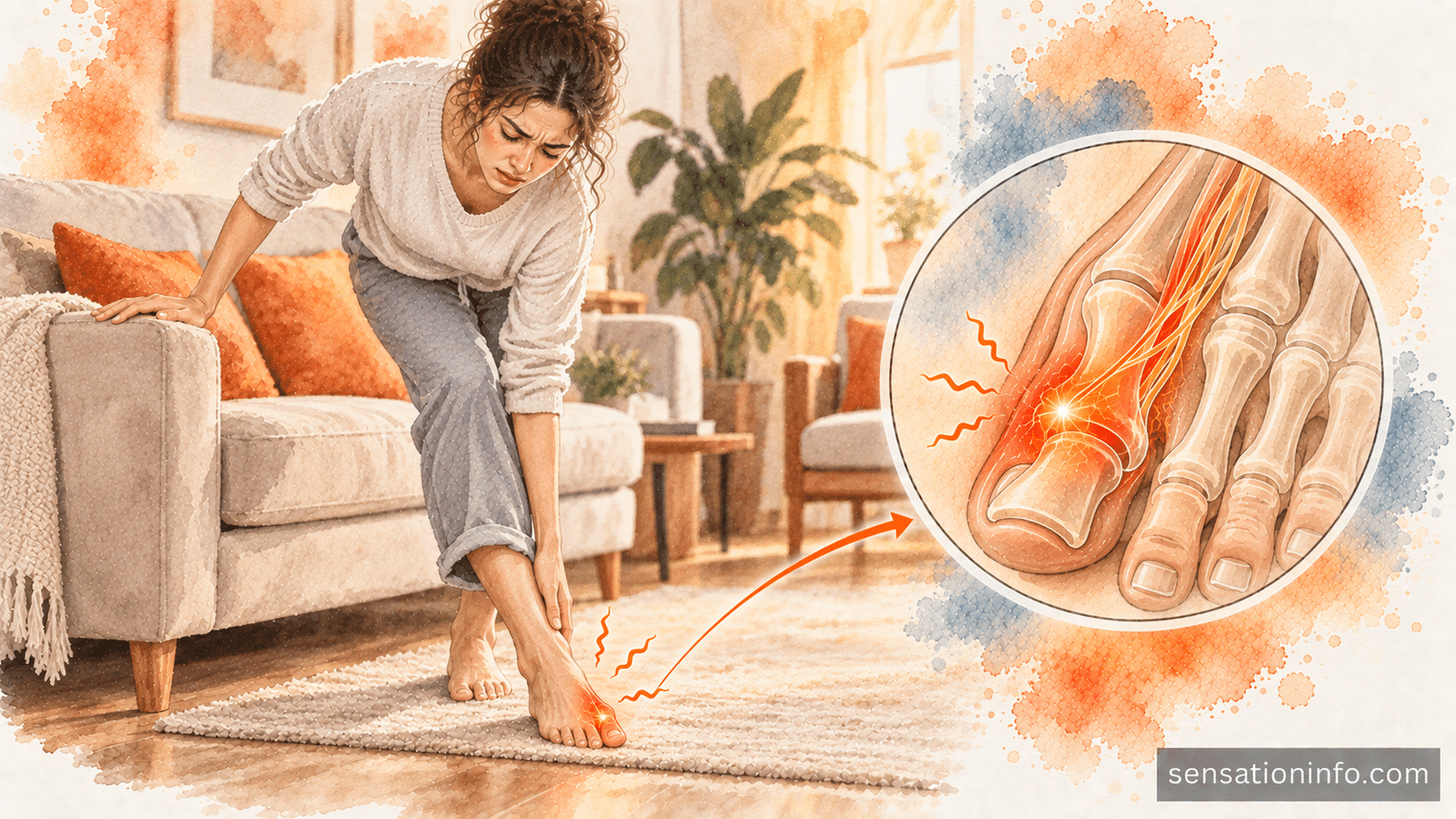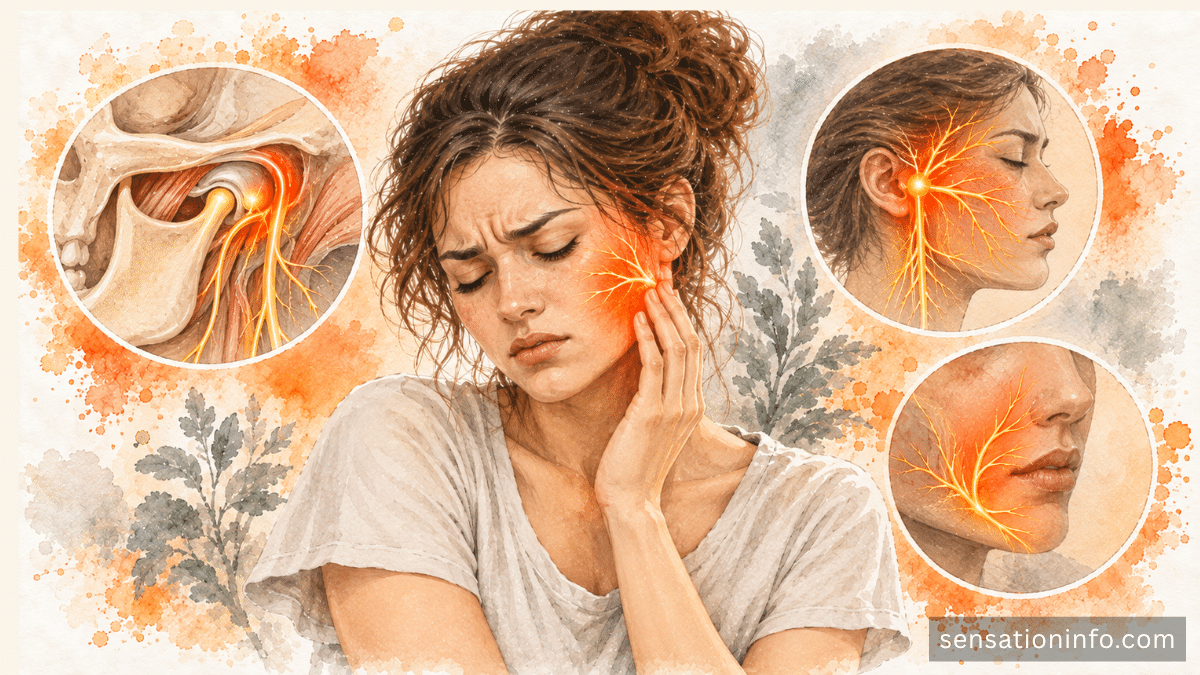

Have you ever felt something on your skin that wasn’t actually there? A drop of water that didn’t exist, a bug crawling across your arm that wasn’t real, or a tickle on your back that you couldn’t trace to anything physical? I have, and the first few times it happened, I genuinely looked around like I was being pranked by an invisible roommate.
Phantom sensations are stranger than people think but far more common than most realise. In this article, I’ll walk you through what these sensations are, what causes them, and when you should pay closer attention. Everything I share here is based on credible medical sources like the Cleveland Clinic, Mayo Clinic, the NHS, and the American Psychological Association.
What Phantom Sensations Really Are
Phantom sensations are real, perceived feelings that have no external cause. Your nervous system creates them on its own, even though nothing is touching your skin. They can show up as tingling, vibrations, tickling, crawling, burning, dripping, or pressure.
These sensations are not imagined in the dismissive sense. They’re real signals coming from misfiring nerves, an overactive nervous system, or unusual brain activity. The Cleveland Clinic describes them as “neurological events” rather than psychological imagination.
Why the Body Creates Sensations That Aren’t There
The nervous system constantly sends and receives signals. When things go off balance, even slightly, the brain can interpret signals that aren’t truly happening. This is called ‘paraesthesia’ or ‘sensory hallucination’, depending on the cause.
I’ve personally felt these during high-stress weeks, sleep-deprived nights, or after long screen sessions. The body has its own quiet way of saying, “Something’s off here.”
Common Phantom Sensations People Experience
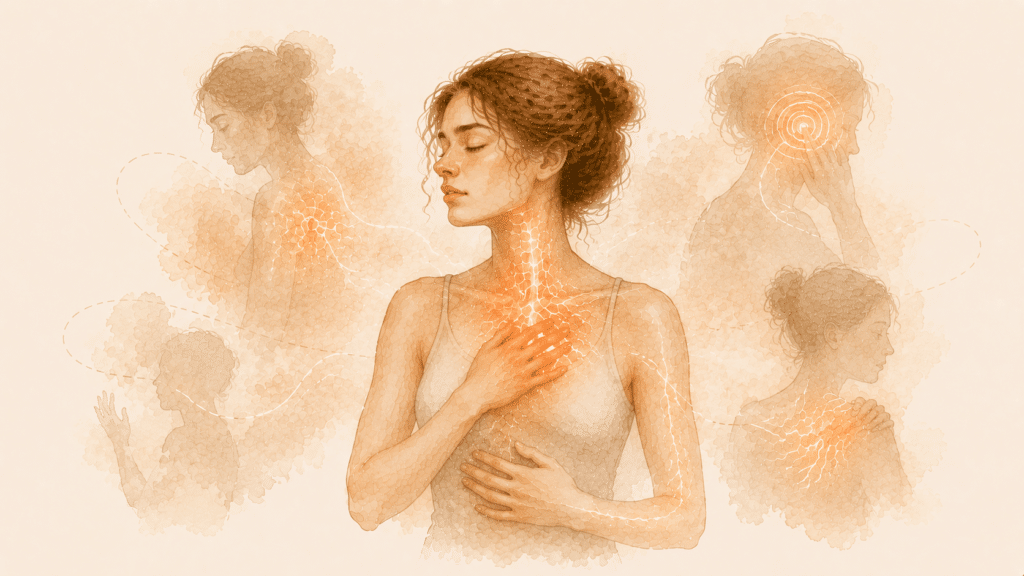
These are some of the most common phantom sensations people describe.
Crawling or Bug-Like Sensations
This is one of the most reported phantom sensations. It feels like something is crawling on the skin, even though nothing is there. Medically, this is called formication. It often appears with anxiety, hormonal changes, or nerve issues.
I had a friend who genuinely thought she had bedbugs because of a crawling sensation. After checking everything, the cause turned out to be stress and a slight B12 deficiency.
Water Drops on the Skin
Many people feel like a drop of water has landed on their skin, especially the face or arms, when nothing has touched them. This sensation is harmless but oddly common.
Tingling and Buzzing
Random tingling without any clear reason is one of the most common phantom sensations. It often happens after sitting in one position too long, even without obvious nerve compression.
Phantom Itching
This is when the skin itches without a rash, dryness, or external trigger. Stress, dry weather, or nerve sensitivity are common reasons.
Vibrations or Internal Buzzing
Some people feel as if their phone is vibrating in their pocket, even when no phone is there. This is jokingly called “phantom vibration syndrome”. It’s been documented in real studies and is more common in people who use phones heavily.
Hot or Cold Patches
You might feel a sudden warm spot on your arm or a cold patch on your leg when no temperature change is occurring. This is a nerve-driven illusion that usually fades quickly.
Feeling of Being Touched
This is one of the more unsettling phantom sensations. People sometimes feel a tap, pressure, or gentle touch that isn’t real. It’s often linked to anxiety, dissociation, or sensory hypersensitivity.
Phantom Limb Sensations
This is a very specific type of phantom sensation experienced by people who have lost a limb. The brain still receives signals from the missing area, leading to feelings of itching, pain, or movement. The Mayo Clinic recognises this as a well-documented neurological phenomenon.
Common Causes of Phantom Sensations
Let me walk you through the most common causes, both from real-world observation and credible medical sources.
Anxiety and Stress
Anxiety is one of the most common causes. When the body is in fight-or-flight mode, nerves become hypersensitive, leading to random sensations like crawling, tingling, or buzzing.
The American Psychological Association recognises this as a real physical effect of anxiety, not a sign of imagination.
Sleep Deprivation
Lack of sleep affects how the brain processes sensory information. Many people experience phantom touches, vibrations, or tingling when severely sleep-deprived.
I’ve personally noticed these sensations after long late-night work sessions. Once my sleep returns to normal, the sensations disappear.
Vitamin B12 Deficiency
Low B12 affects nerve function and can cause unusual sensations like phantom crawling, tingling, or buzzing. It’s common in vegetarians, older adults, and people on long-term acid reflux medications like omeprazole.
A simple blood test confirms the deficiency, and supplementation usually clears the symptoms.
Peripheral Neuropathy
Damage to peripheral nerves can produce false sensations. People often feel water drops prickling, crawling, or burning on their skin. Diabetes is one of the leading causes globally.
Medication Side Effects
Some medications can trigger phantom sensations as side effects. Common culprits include certain antidepressants, ADHD medications, and chemotherapy drugs. Withdrawal from antidepressants can also cause “brain zaps” or odd skin sensations.
Hormonal Changes
Menopause, pregnancy, and thyroid imbalances can affect the nervous system. The North American Menopause Society lists phantom sensations as a real but lesser-known menopause symptom.
Mental Health Conditions
Conditions like anxiety disorders, OCD, depression, dissociation, or delusional parasitosis can produce phantom sensations. These need proper evaluation and respectful support.
Skin Sensitivity and Sensory Processing
Some people have a more reactive sensory system. They feel things more intensely than others, including phantom sensations. This is not a disorder, just a wiring difference.
Alcohol and Substance Use
Heavy alcohol use or stimulants can damage nerves and cause crawling sensations, especially during withdrawal. The Cleveland Clinic confirms this is well-documented.
Multiple Sclerosis (MS)
MS can cause unusual sensations due to nerve signal disruption. The National MS Society lists phantom-like feelings among the early signs in some cases.
The Mental Health Connection
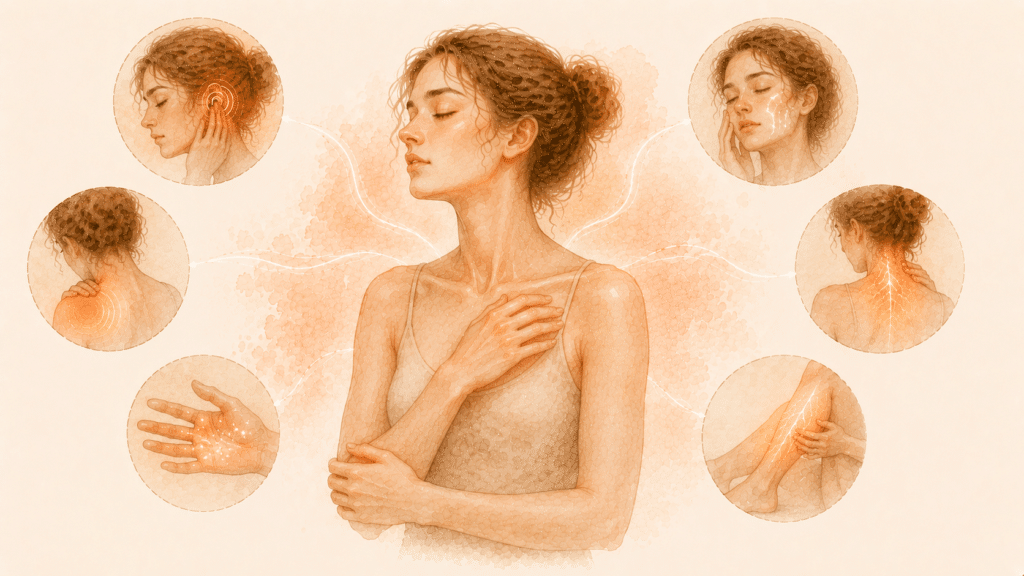
Phantom sensations are sometimes linked to mental health, but not always in the way people assume. They don’t mean someone is “imagining things”. They reflect how the nervous system reacts to stress, fatigue, or emotional load.
I’ve personally noticed that during emotionally exhausting periods, my body produces sensations that have nothing to do with my actual surroundings. The body and mind communicate constantly, and phantom sensations are one of the more unusual ways they do it.
When phantom sensations are persistent or distressing, professional mental health support helps. Therapy, CBT, and stress management can reduce frequency significantly.
When Phantom Sensations Become a Red Flag
Most phantom sensations are mild and short-lived, but some need medical attention. Please see a doctor if you experience:
- Persistent or worsening phantom sensations
- Sensations paired with weakness, numbness, or pain
- Vision or speech changes
- Confusion or memory issues
- Hallucinations involving smell, taste, or vision
- Sensations triggered by a known medical condition
These can sometimes signal neurological, autoimmune, or psychiatric conditions that need proper evaluation.
How Doctors Diagnose Phantom Sensations
When I finally got mine evaluated, the process was thorough. Diagnosing phantom sensations isn’t a single test.
A standard workup includes a physical exam, neurological assessment, and blood tests for B12, thyroid function, blood sugar, and inflammation. If nerve damage is suspected, nerve conduction studies, EMG, or MRI may be ordered.
For mental health-related causes, doctors evaluate sleep, stress levels, mood, and emotional well-being. Diagnosis is about finding patterns, not just listing symptoms.
Treatment Options That Truly Help
Treatment depends entirely on the cause, but here’s what generally works in real-world cases.
Stress and Anxiety Management
If anxiety is the driver, slow breathing, mindfulness, exercise, and therapy reduce nerve sensitivity. CBT is highly effective for chronic anxiety-related sensations.
I personally noticed that even small daily relaxation routines reduced my random phantom episodes drastically.
Sleep Improvement
Better sleep helps more than people expect. Consistent bedtime routines, reducing screen time, and improving sleep environment reduce phantom sensations significantly.
Address Vitamin Deficiencies
If B12, B6, or vitamin D is low, supplementation often clears symptoms. A blood test guides this clearly.
Manage Underlying Medical Conditions
If diabetes, MS, or thyroid issues are involved, treating the root condition reduces phantom sensations. In most cases, the symptoms ease once the underlying cause is properly managed.
Medications
Doctors may prescribe gabapentin, pregabalin, or duloxetine for nerve-related sensations. NSAIDs help if inflammation is involved. For mental health-related cases, antidepressants or anxiolytics may be considered.
Always use medications under proper medical supervision.
Skin Hydration and Care
Dry skin can amplify phantom sensations. Using fragrance-free moisturisers from trusted brands like CeraVe, Cetaphil, or Eucerin can reduce irritation.
Physical Therapy
For phantom limb sensations, physical therapy and mirror therapy help. These techniques retrain the brain and reduce phantom limb pain.
Reduce Stimulants
Caffeine, alcohol, and recreational substances increase nerve sensitivity. Cutting back, especially in the evening, reduces phantom sensations.

Simple Habits That Reduce Phantom Sensations
A few small habits genuinely help over time. Drinking enough water, eating balanced meals, getting consistent sleep, stretching daily, and managing stress reduce the frequency of phantom sensations.
I’ve personally noticed that the more I take care of my body’s basic needs, the less random the sensations become. Small steps lead to real, long-term changes.
Frequently Asked Questions
Most often, it’s due to anxiety, sleep deprivation, nerve sensitivity, or deficiencies. Persistent sensations may need medical evaluation.
Yes. Stress and anxiety affect how the nervous system processes information, often producing random sensations.
Not always. Most cases are harmless and stress-related. Persistent or distressing sensations need proper mental health support.
If sensations are persistent, paired with weakness, numbness, or vision changes, or affect daily life, get checked.
Yes, especially when caused by stress, sleep deprivation, or temporary lifestyle factors. Chronic cases need proper treatment.
Final Thoughts
Phantom sensations are strange, sometimes unsettling, and often surprising. From anxiety and sleep deprivation to nerve issues and hormonal changes, the causes are varied, and most are very treatable.
If your body keeps creating sensations that don’t match reality, don’t ignore it and don’t panic either. Track the patterns, fix the basics, and consult a qualified doctor when needed. Your nervous system is brilliant but sensitive. The kindest thing you can do is listen carefully, respond with care, and let it tell you what it actually needs.