
Introduction to Burning Back Sensations
As a medical professional, I’ve encountered numerous patients who’ve experienced a burning sensation in their back. This symptom can be quite unsettling, especially when it’s unclear what’s causing it. I recall a patient who recently came to me, describing a persistent burning feeling in the middle of her back. She had tried various remedies, from warm compresses to over-the-counter pain relievers, but nothing seemed to provide lasting relief. Her story isn’t unique; many people suffer from back burning sensations, which can significantly impact their quality of life.
Context of the Issue
The back is a complex area, comprising multiple muscles, nerves, and organs. A burning sensation here can stem from various sources, making diagnosis a bit more challenging. I’ve seen cases where the cause was as straightforward as a muscle strain, while in other instances, it was a symptom of a more serious underlying condition. Understanding the possible causes and how they relate to the location of the burning sensation is crucial for effective treatment. In my practice, I’ve found that a thorough approach, considering both the location and the potential underlying causes, is essential for helping patients find relief.
Breaking Down the Article
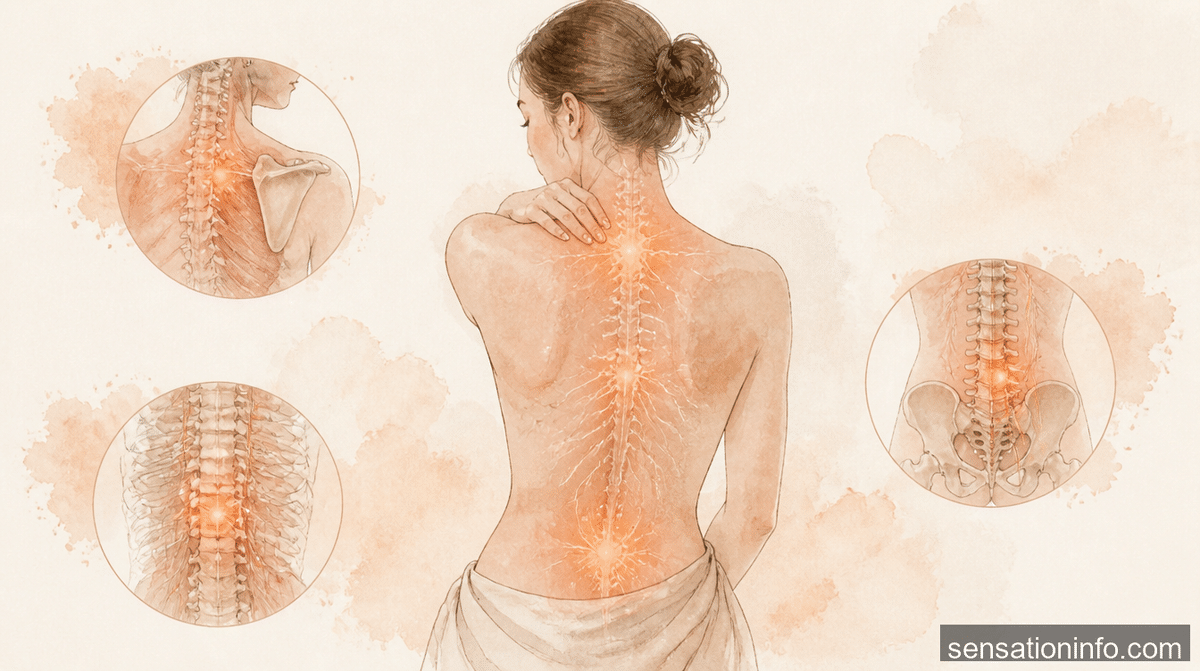
In this article, I’ll guide you through the different aspects of a burning sensation in the back. We’ll explore how the location of the sensation—whether it’s in the upper, middle, or lower back—can offer clues about its cause. I’ll also discuss the various potential causes, including muscle strains, nerve issues, shingles, kidney problems, and how posture might play a role. Additionally, we’ll touch on treatment options and address some frequently asked questions about this condition. My goal is to provide you with a comprehensive understanding of burning back sensations, helping you take the first steps towards finding relief and regaining control over your health.
Location Breakdown
Upper Back
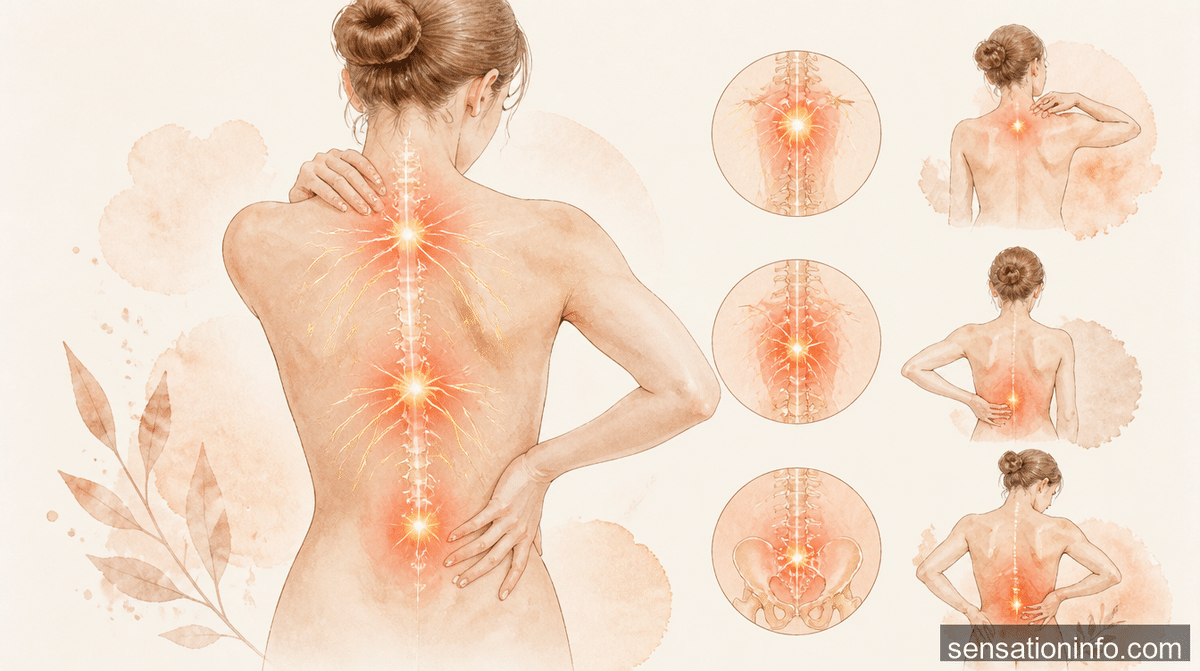
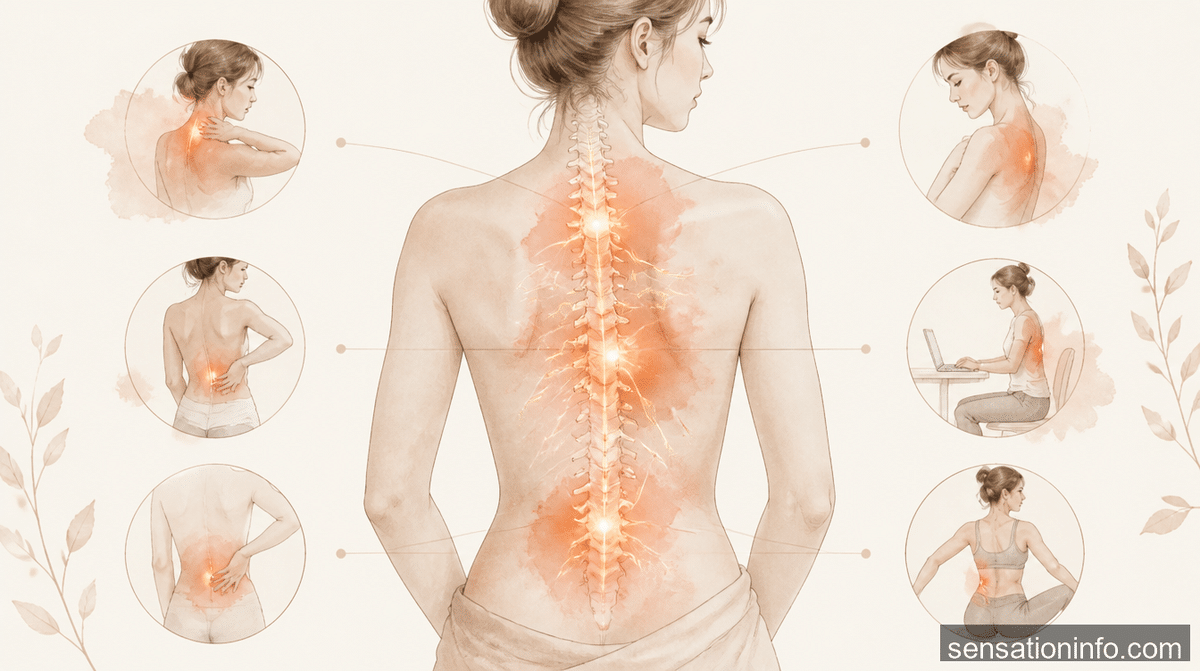
A burning sensation in the upper back can often be attributed to muscle strain or poor posture. When we slouch or hunch over, it puts additional stress on the muscles in our upper back, leading to discomfort and a burning feeling. I’ve also seen cases where this sensation is related to nerve compression or issues with the spine, such as herniated disks. Identifying whether the burning is constant or comes and goes can help narrow down the possible causes.
Middle Back
The middle back, or thoracic spine, is another common area where people experience burning sensations. Here, the causes can range from muscle imbalances to more serious conditions like shingles. Shingles, caused by the reactivation of the varicella-zoster virus, can lead to a painful rash and burning sensation, typically on one side of the body. In my experience, early recognition and treatment of shingles can significantly reduce the severity and duration of symptoms.
Lower Back
In the lower back, or lumbar region, burning sensations might be related to muscle strain, nerve compression, or even kidney issues. The kidneys are located in the lower back, and conditions like kidney stones or infections can cause a burning sensation, often accompanied by other symptoms such as fever or changes in urination. It’s crucial to seek medical attention if you suspect a kidney problem, as prompt treatment can prevent more serious complications.
Causes of Burning Sensation
Muscle-Related Issues
Muscle strain is one of the most common causes of a burning sensation in the back. This can occur due to overuse, poor posture, or direct injury to the muscle. I advise my patients to maintain good posture, engage in regular stretching, and avoid heavy lifting to reduce the risk of muscle strain.
Nerve-Related Problems
Nerve compression or irritation can also lead to a burning sensation in the back. This might be due to conditions like sciatica, where the sciatic nerve is compressed, or spinal stenosis, a narrowing of the spinal canal. Treatment for nerve-related issues often involves a combination of physical therapy, medication to manage pain and inflammation, and in some cases, surgery to relieve compression.
Shingles
Shingles is a viral infection that can cause a burning sensation, typically in a band-like pattern on one side of the body. It’s essential to recognize the early signs of shingles, including a rash and severe pain, and seek medical attention promptly. Antiviral medications can help manage the condition and reduce the risk of complications.
Kidney Issues
Kidney stones, infections, or other kidney problems can cause a burning sensation in the lower back. It’s vital to be aware of other symptoms that might accompany kidney issues, such as changes in urination, fever, or flank pain. If you suspect a kidney problem, it’s crucial to seek medical care without delay.
Posture Connection
The Role of Posture
Maintaining good posture is essential for preventing back pain and burning sensations. When we stand or sit with proper alignment, we reduce the strain on our muscles and spine, lowering the risk of discomfort and injury. I recommend practicing good posture habits, such as standing tall, keeping shoulders back, and avoiding slouching when sitting.
Correcting Posture
Correcting poor posture involves a combination of awareness, exercises, and sometimes, physical therapy. Exercises that strengthen the core and back muscles can help improve posture, while physical therapy can provide customized strategies for maintaining proper alignment. In my experience, making these changes can significantly reduce back pain and burning sensations over time.
Treatment Options
Conservative Management
For many cases of burning back sensations, conservative management is the first line of treatment. This can include rest, applying heat or cold packs, stretching, and over-the-counter pain relievers. It’s also important to address any underlying issues, such as poor posture or muscle imbalances, to prevent recurrence.
Physical Therapy
Physical therapy is another valuable approach, especially for cases involving muscle strain, nerve compression, or posture-related issues. A physical therapist can design a personalized exercise program to strengthen the back and core muscles, improve flexibility, and enhance posture.
Medical Interventions
In some instances, medical interventions may be necessary. For conditions like shingles or kidney problems, specific medications can help manage symptoms and treat the underlying cause. In cases of nerve compression or spinal issues, surgical options might be considered to relieve pressure and restore function.
Frequently Asked Questions
The most common causes include muscle strain, nerve compression, shingles, and kidney issues. However, it’s essential to consult with a healthcare professional to determine the specific cause of your symptoms.
Yes, poor posture can lead to muscle strain and nerve compression, both of which can cause a burning sensation in the back. Maintaining good posture is crucial for preventing and alleviating back pain.
Shingles is typically treated with antiviral medications, which can help reduce the severity and duration of symptoms. It’s important to seek medical attention promptly if you suspect you have shingles.
Yes, a burning sensation in the lower back can be a symptom of a kidney issue, such as a kidney stone or infection. If you experience this symptom, especially if it’s accompanied by other signs like changes in urination or fever, seek medical care immediately.
To prevent burning sensations, maintain good posture, engage in regular exercise to strengthen your back and core muscles, avoid heavy lifting, and manage stress. Regular health check-ups can also help identify any underlying issues early on.
Final Thoughts
Key Recommendations
If you’re experiencing a burning sensation in your back, it’s essential to take it seriously and seek medical attention if the pain is severe or persistent. In the meantime, practicing good posture, staying hydrated, and avoiding activities that exacerbate the discomfort can help. Remember, a burning sensation in the back can have various causes, and a proper diagnosis by a healthcare professional is critical for effective treatment.
Taking Control of Your Health
Taking control of your health involves being proactive about your well-being. This includes maintaining a healthy lifestyle, staying informed about potential health issues, and seeking medical care when needed. If you’re concerned about a burning sensation in your back or any other health issue, don’t hesitate to reach out to a healthcare professional. By working together, we can find the cause of your discomfort and develop a plan to help you find relief and regain your quality of life.
Article written by Dr Peeyush Kumawat at Sensationinfo.com