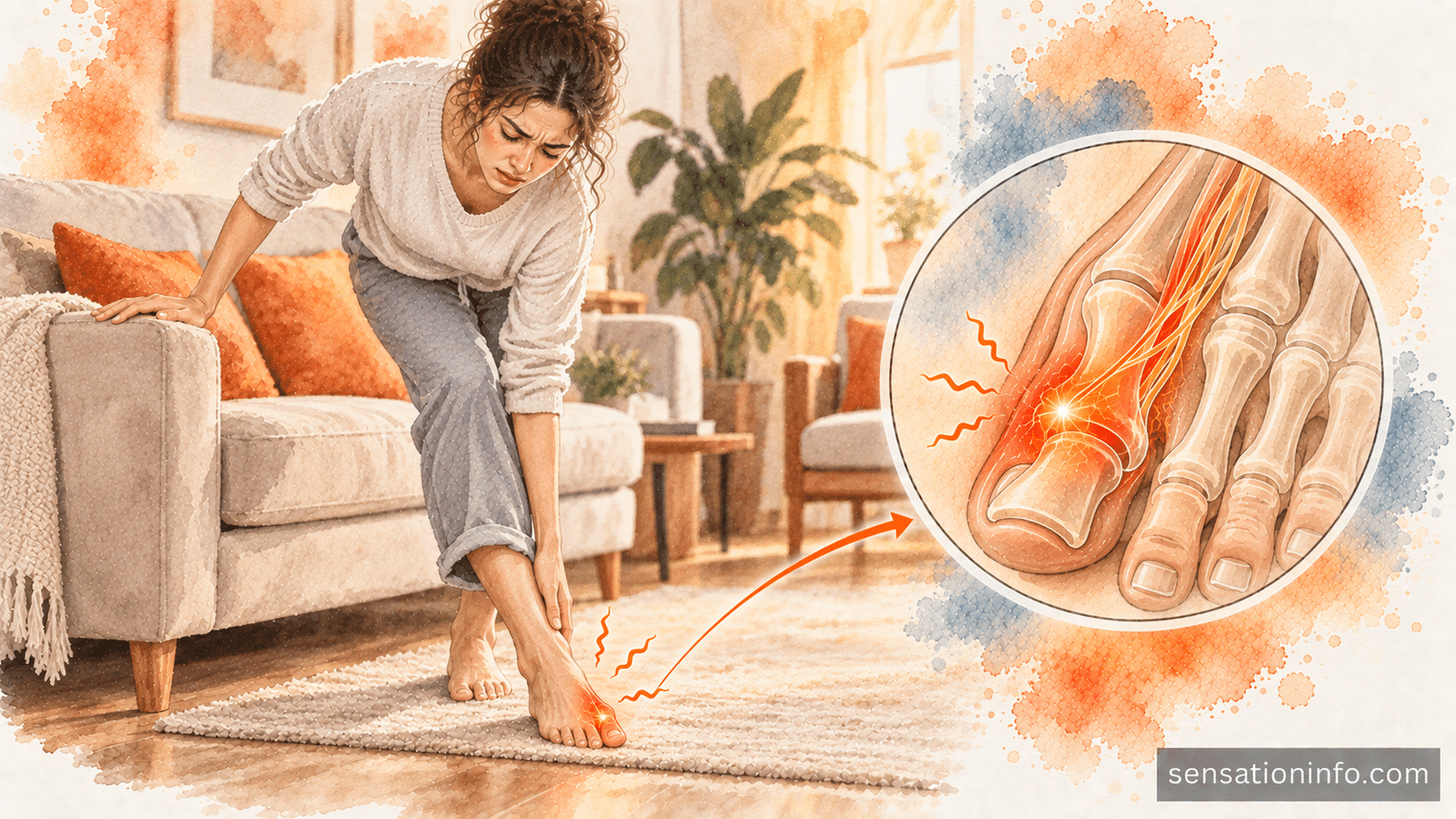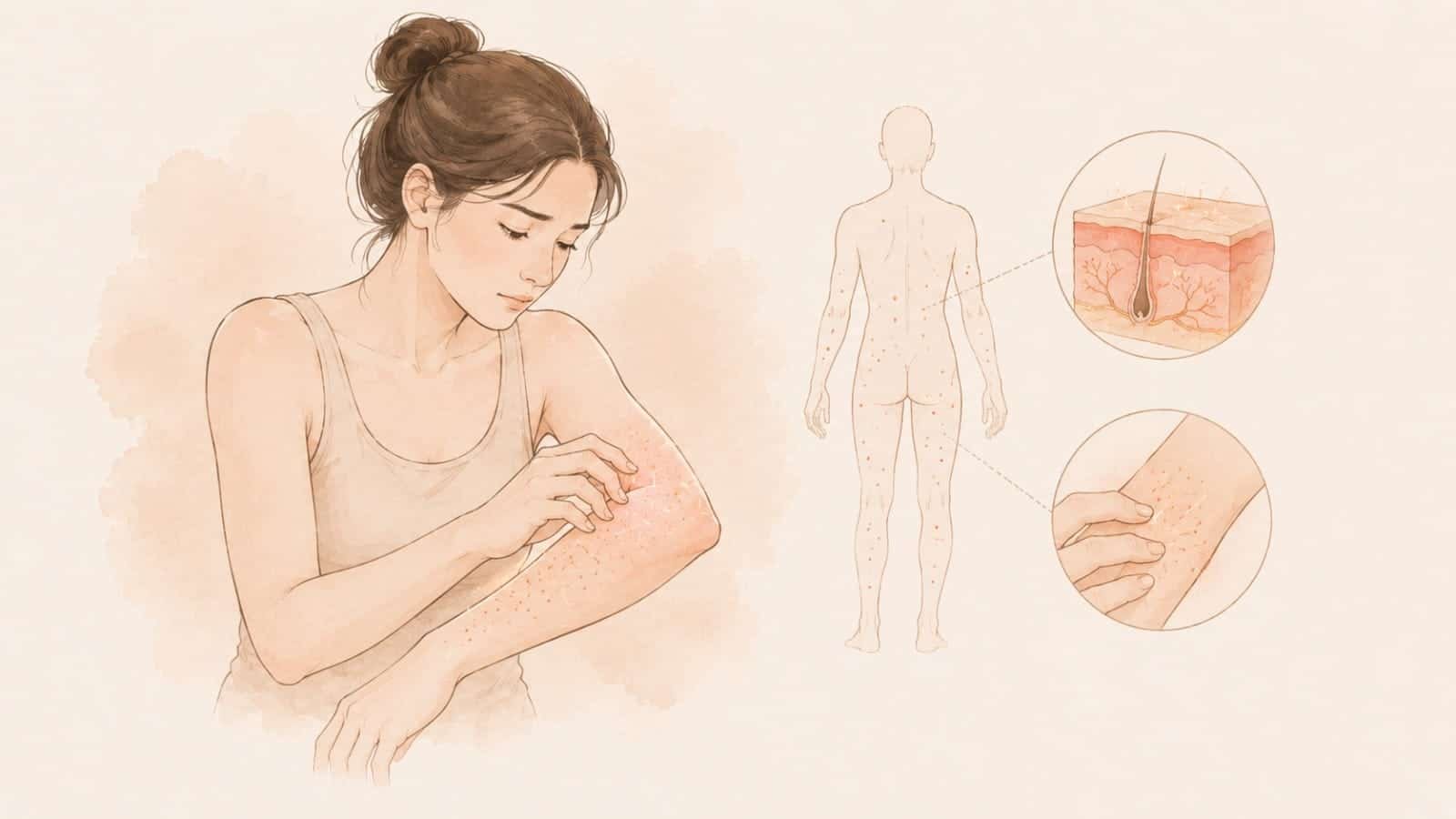

Have you ever felt like a hundred tiny needles were quietly poking at your skin out of nowhere, even though there was nothing visibly wrong? I’ve experienced it more times than I can count, and the first time it happened, I genuinely brushed at my arm expecting to find something. There was nothing. Just my skin, doing its own dramatic performance.
A prickling sensation on skin is one of those symptoms that’s easy to ignore until it keeps coming back. In this article, I’ll walk you through what causes it, what each type means, and how to fix it. Everything I’m sharing is based on credible medical sources like the Mayo Clinic, Cleveland Clinic, and the NHS.
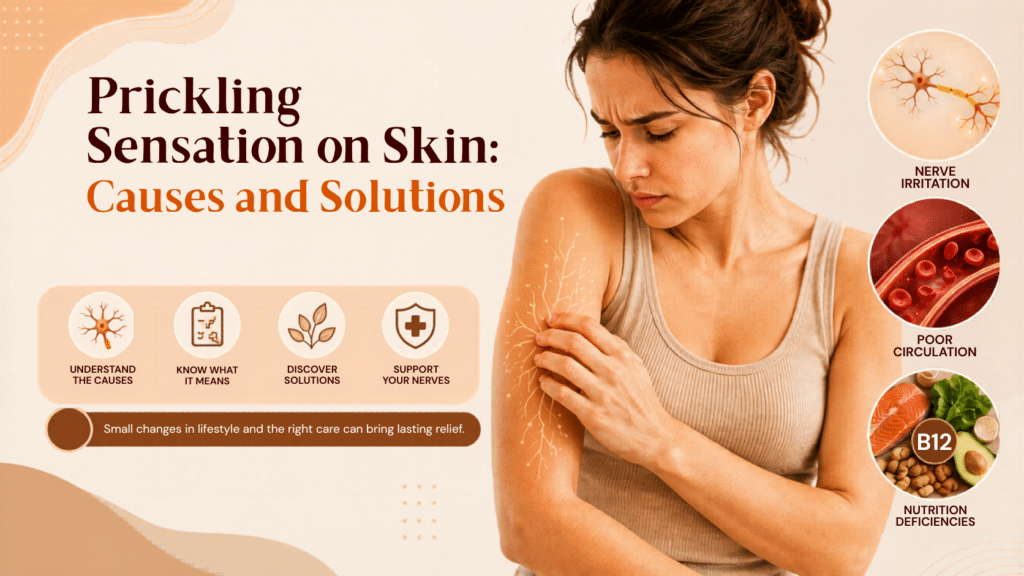
What Is a Prickling Sensation on the Skin?
A prickling sensation, medically called paraesthesia, is that sharp, light, pin-like feeling on the skin that can show up anywhere on the body. It usually feels like tiny needles, mild pinching, or fluttering nerve activity.
Unlike tingling or burning, prickling has a distinct sharp quality. It’s brief, jumpy, and often happens for no obvious reason. Most people describe it as “weirdly random”, which is actually a fairly accurate description.
Why Prickling Happens Even Without a Rash
When skin feels strange, our brains automatically expect a visible reason. A bite, a rash, dryness, something. But prickling sensations are usually nerve-driven, not skin-driven.
That’s why creams and anti-itch sprays often do nothing for it. The signal is coming from inside the nervous system, not the surface. Once I understood this, I stopped wasting money on lotions and started looking at the actual cause.
Common Causes of Prickling Sensation on Skin
Let me walk you through the most common reasons behind a prickling sensation, both from real-world observation and credible medical sources.
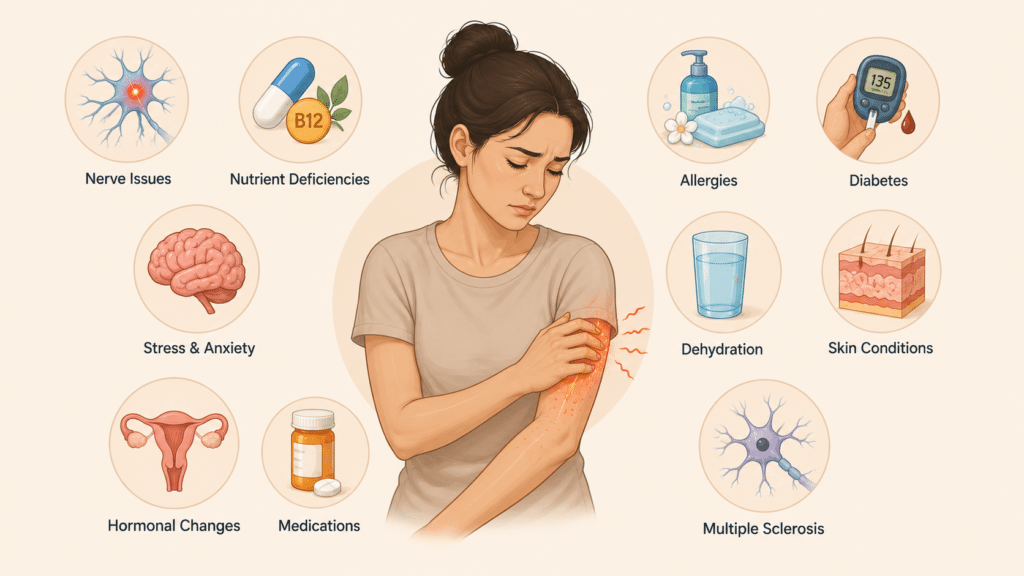
Nerve Compression or Irritation
This is one of the most common causes. When a nerve gets pinched or irritated, even briefly, it sends sharp prickling signals to the brain. Common culprits include carpal tunnel syndrome, sciatica, and cervical nerve compression.
I had a colleague who kept feeling random prickling in his arm and blamed his shirts. Turned out it was a pinched nerve in his neck. The shirts were innocent.
Vitamin Deficiencies
Low B12, magnesium, or vitamin D can quietly trigger prickling sensations. Vitamin B12, in particular, is essential for nerve health, and a deficiency can cause widespread nerve symptoms.
It’s especially common in vegetarians, older adults, and people on long-term acid reflux medications like omeprazole. A simple blood test confirms it, and treatment is usually just supplementation.
Anxiety and Stress
Anxiety can absolutely cause prickling sensations, even though it’s often dismissed. When the nervous system is stuck in fight-or-flight mode, nerves become hypersensitive and misfire easily.
These episodes are usually short, scattered, and worse during stressful weeks. I’ve personally noticed my own random prickling spike during high-stress periods, especially before deadlines.
Allergic Reactions
Mild allergies can cause prickling sensations on the skin, even without a visible rash. Common triggers include detergents, fabrics, perfumes, soaps, or even pet dander.
I once spent days trying to figure out why my arms kept prickling, only to realise it was a new fabric softener. True story, and slightly embarrassing.
Diabetes (Peripheral Neuropathy)
Long-term high blood sugar damages tiny nerves and can lead to prickling, burning, or tingling sensations. The CDC notes that nearly half of people with diabetes develop some form of neuropathy.
If you have diabetes and notice persistent prickling, especially in the hands or feet, please don’t ignore it. Early intervention genuinely changes the outcome.
Dehydration and Electrolyte Imbalance
When the body lacks water or electrolytes, nerves become more reactive. This can cause random prickling, mild tingling, or even muscle twitches.
Athletes, people working in heat, and those who drink lots of caffeine are especially prone to this. A glass of water and a balanced meal often resolve it.
Skin Conditions
Conditions like eczema, dermatitis, and dry skin can irritate nerve endings without producing an obvious rash. Cold weather, harsh soaps, and dehydration tend to make this worse.
Brands like CeraVe, Cetaphil, and Eucerin are commonly recommended by dermatologists for sensitive or reactive skin.
Hormonal Changes
Hormonal shifts during pregnancy, menstruation, or menopause can cause prickling sensations. The North American Menopause Society lists nerve-related skin symptoms among the lesser-known but real signs of menopause.
If your prickling shows up alongside hot flashes, mood changes, or sleep issues, hormones might be playing a role.
Medication Side Effects
Several medications can cause prickling sensations as a side effect. Common ones include certain antidepressants, chemotherapy drugs, and seizure medications.
If you’ve recently started or stopped a medication and the prickling appeared around the same time, talk to your doctor. Don’t stop the medication on your own.
Multiple Sclerosis (MS)
MS is less common but worth mentioning. It causes the immune system to damage the protective covering of nerves, leading to misfires that often feel like prickling, tingling, or burning.
According to the National MS Society, these sensations are often early symptoms. They usually come with fatigue, vision changes, or balance issues.
Where the Prickling Happens: What the Location Tells You
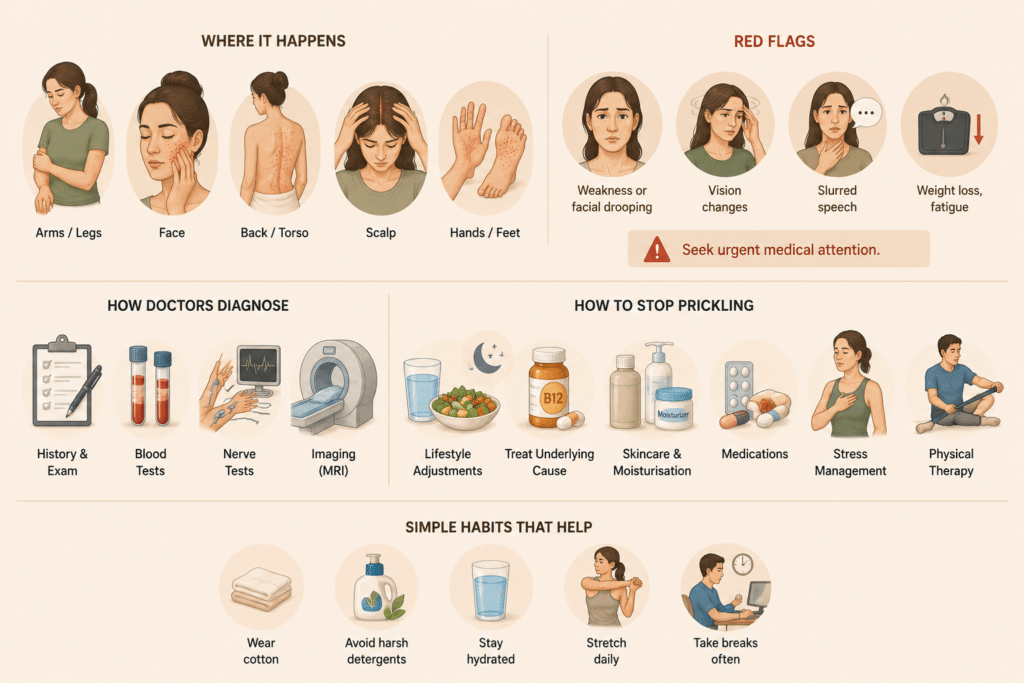
The location of the prickling sensation gives big clues about the cause.
If the prickling is on your arms or legs, nerve compression, anxiety, or deficiencies are common culprits.
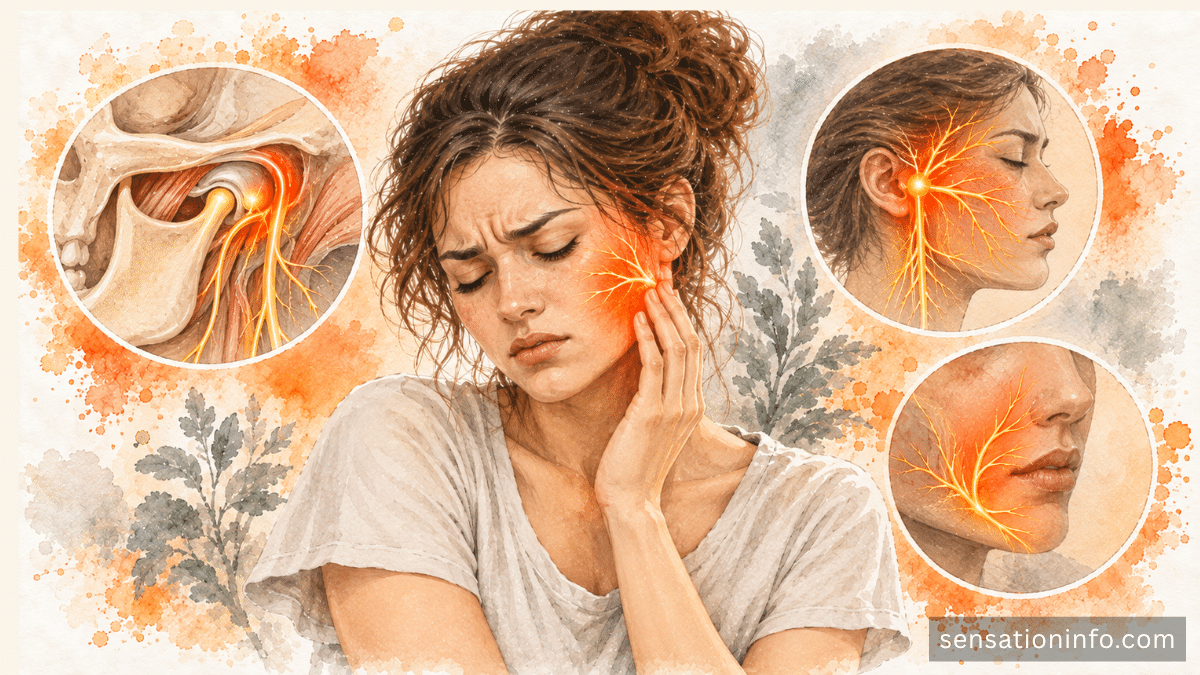
If your face prickles, it could be a nerve issue, anxiety, or trigeminal nerve irritation.
If your back or torso feels prickly, dermatitis, dry skin, or shingles-related nerve damage may be involved.
If your scalp prickles, stress, hair products, or dermatitis are common reasons.
If the prickling is on hands and feet, peripheral neuropathy or diabetes-related nerve damage tops the list.
This pattern-based thinking is exactly how neurologists narrow things down quickly during a clinical exam.
When Prickling Becomes a Red Flag
Most cases of prickling are mild and treatable, but some need urgent attention.
If the prickling appears suddenly with weakness, slurred speech, vision changes, or facial drooping, treat it as an emergency. These can be early signs of a stroke or serious neurological condition.
If the prickling is persistent, spreading, or paired with weight loss, fatigue, or numbness, it’s worth getting checked. Trust your instincts. If something feels off, don’t wait it out.
How Doctors Diagnose the Cause
When I finally got mine checked years ago, I expected a five-minute conversation. Instead, the doctor went through a full evaluation, which honestly made me trust the process more.
A proper workup usually includes a detailed history, physical exam, and blood tests for B12, blood sugar, thyroid, and inflammation. If neurological causes are suspected, nerve conduction studies, EMG, or MRI scans may be ordered.
The right diagnosis prevents months of guesswork. It’s worth the time.
How to Stop a Prickling Sensation on the Skin
Treatment depends entirely on the cause, but here’s what generally works in real-world cases.
Lifestyle Adjustments
For mild cases, simple changes do a lot. Staying hydrated, getting consistent sleep, eating balanced meals, and managing stress can ease symptoms significantly. I started going to bed earlier and reduced my caffeine intake, and within weeks my random prickling episodes reduced sharply.
Address the Underlying Condition
If the cause is a deficiency, fixing it often clears the prickling. B12 supplements, hormone therapy, diabetes management, or thyroid treatment usually solve the problem when properly diagnosed.
Skincare and Moisturisation
For dryness-related causes, fragrance-free moisturisers, lukewarm showers, and gentle cleansers make a real difference. Brands like CeraVe, Cetaphil, and Eucerin are widely trusted by dermatologists.
Medications
Doctors may prescribe gabapentin, pregabalin, or duloxetine for nerve-related prickling. NSAIDs help with inflammation-driven cases. Always use these under medical supervision.
Stress and Anxiety Management
If anxiety is the trigger, calming the nervous system helps more than any cream ever could. Deep breathing, regular exercise, therapy, and reducing caffeine all help reduce nerve sensitivity.
I personally found that just 10 minutes of slow breathing before bed cut down my random episodes drastically.
Physical Therapy
A skilled physiotherapist can teach nerve gliding exercises, posture corrections, and stretches that genuinely reduce prickling, especially when nerve compression is involved.
Simple Habits That Reduce Prickling
A few small habits genuinely help. Wearing soft, breathable fabrics like cotton, avoiding harsh detergents, drinking enough water, and stretching daily can all reduce nerve irritation.
If you sit at a desk all day, taking short movement breaks every hour helps a lot. Tiny adjustments often produce surprisingly real results.
Frequently Asked Questions
It’s usually due to nerve misfires triggered by stress, deficiencies, dryness, or minor compression. Most cases are harmless, but persistent ones need a proper diagnosis.
Yes, especially through electrolyte imbalances. Drinking enough water and eating balanced meals usually resolves it.
Not always. Brief, occasional prickling is normal. Worry only when it becomes frequent, spreads, or is paired with weakness or numbness.
If the prickling lasts more than a few days, keeps returning, or affects your daily comfort, get it checked. Early evaluation usually means easier treatment.
Final Thoughts
A prickling sensation on the skin is uncomfortable, but it’s almost always treatable once you understand what’s behind it. From anxiety and deficiencies to allergies and nerve issues, the causes are varied, and so are the fixes.
If your skin keeps acting like it’s hosting a tiny, invisible needle parade, don’t ignore it and don’t panic either. Track the pattern, note the triggers, and talk to a qualified doctor. Your skin and nervous system are doing their best to communicate. The kindest thing you can do is listen.