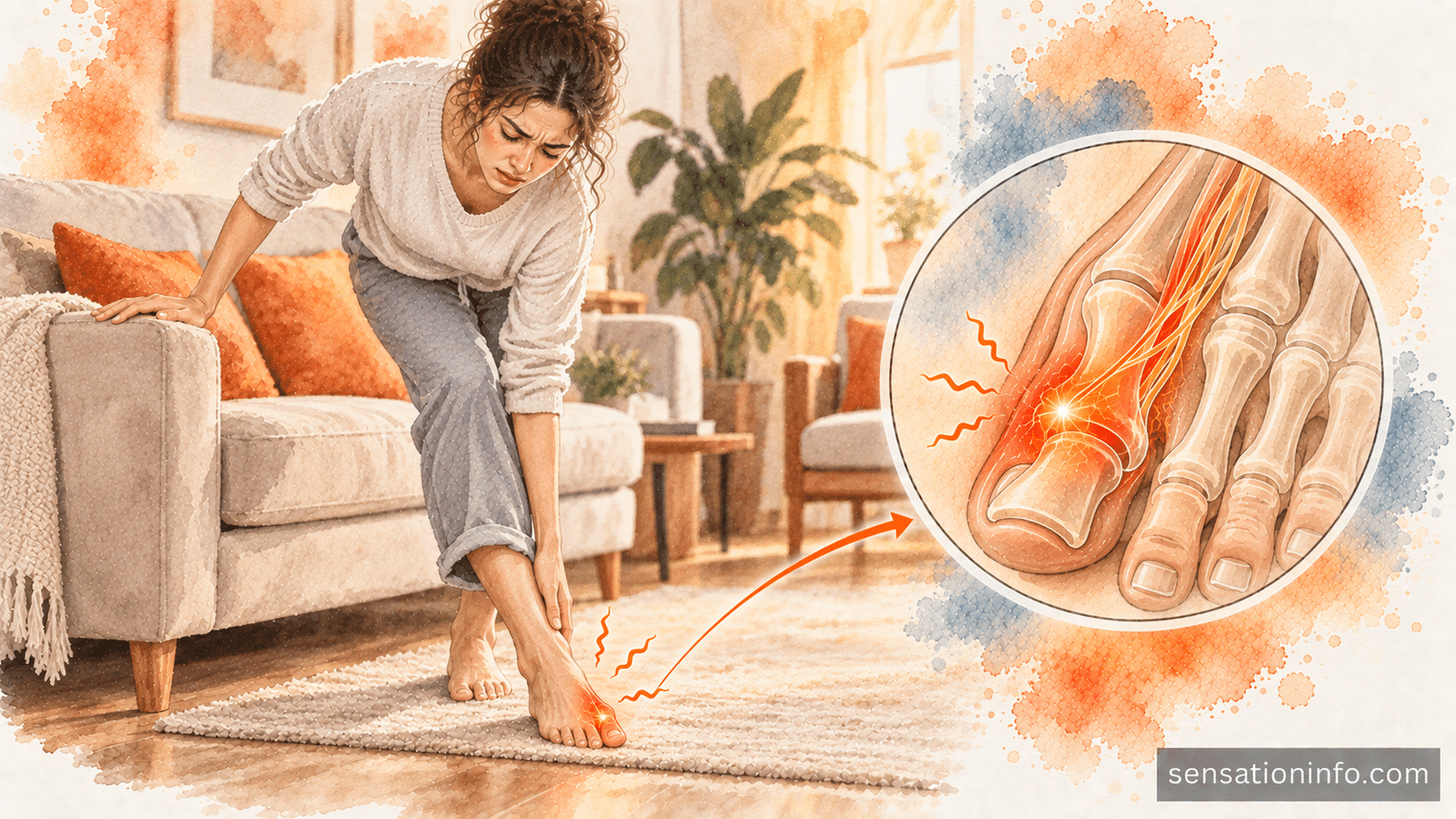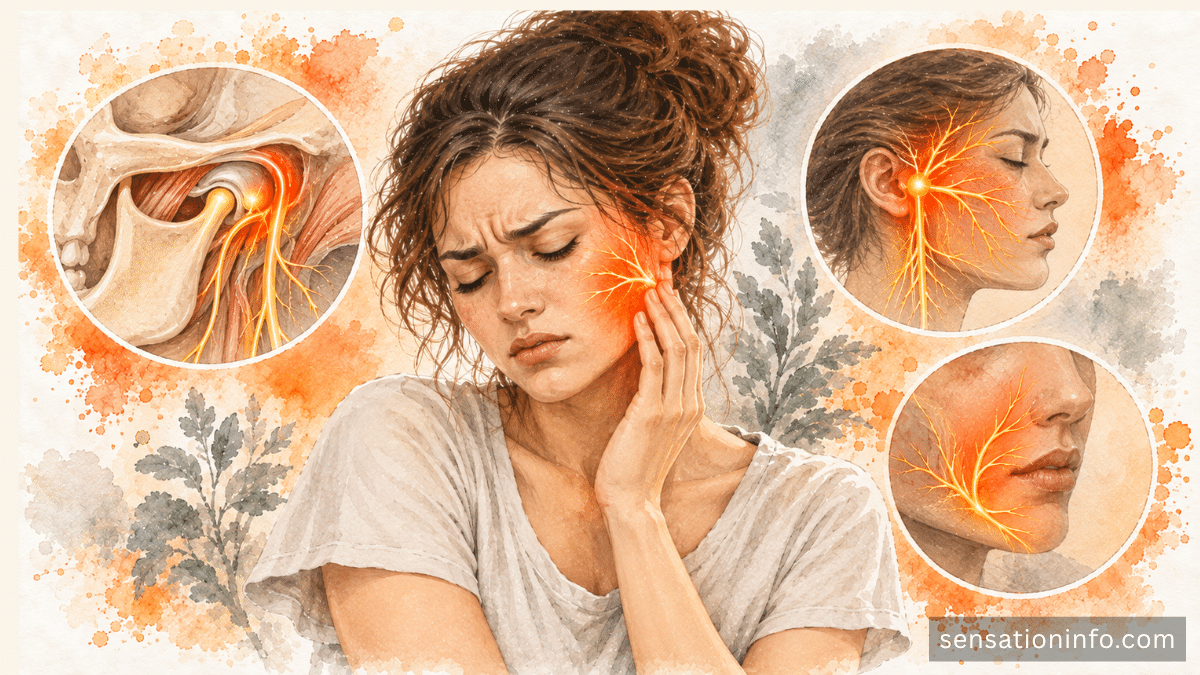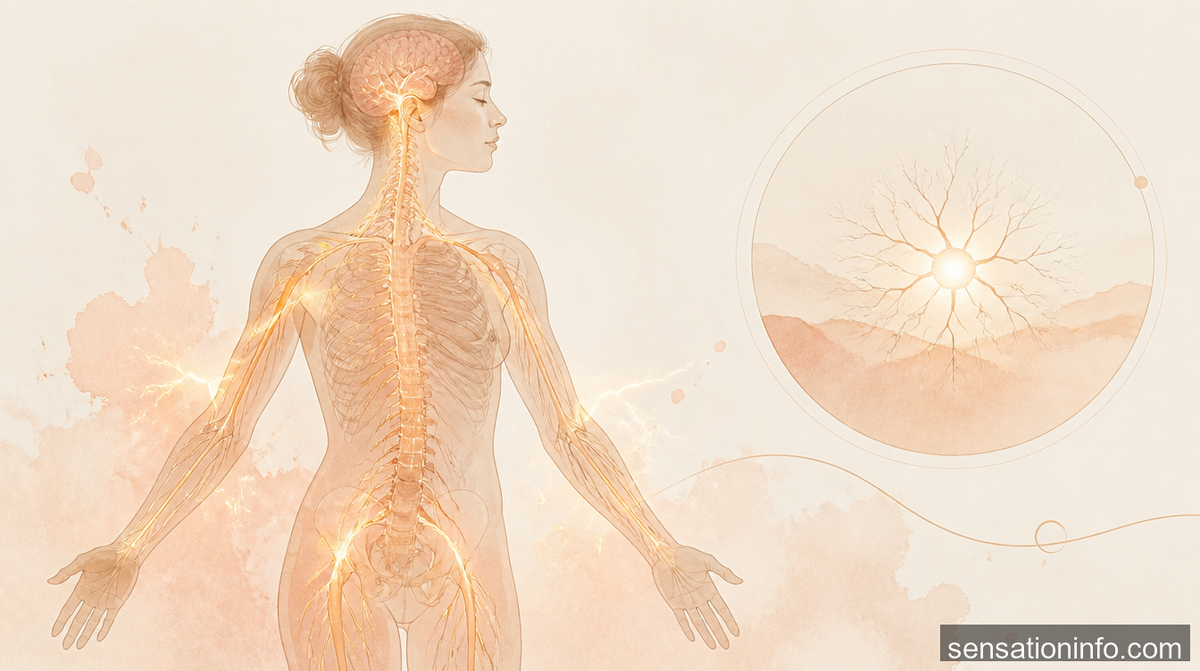

As a medical professional, I’ve encountered numerous patients who’ve experienced the unsettling sensation of electric shocks in their body. This phenomenon, often referred to as “pins and needles,” can be both puzzling and alarming. In this article, I’ll delve into the world of electric shock sensations, exploring their causes, symptoms, and most importantly, ways to stop them. I’ll share my expertise and provide you with a comprehensive guide to understanding and managing this condition.
The electric shock sensation can manifest in various forms, from a mild tingling to a severe, debilitating shock. It’s essential to understand that this sensation is often a symptom of an underlying issue, rather than a condition in itself. As we navigate the complexities of this topic, I’ll emphasize the importance of seeking medical attention when necessary. After all, it’s always better to err on the side of caution when it comes to our health.
Before we dive into the nitty-gritty, let’s take a quick look at the key points you’ll want to know. If you’re experiencing an electric shock sensation, here’s what you should keep in mind:
- Identify the cause: Determine the underlying reason for your symptoms.
- Seek urgent care: If you experience severe or persistent symptoms, don’t hesitate to seek medical attention.
- Try home remedies: Explore natural remedies and lifestyle changes to alleviate your symptoms.
- Consult a doctor: If your symptoms persist or worsen, consult with a medical professional for personalized guidance.
When to Seek Urgent Care
It’s crucial to recognize when your symptoms require immediate attention. If you experience any of the following, seek urgent care:
- Sudden, severe numbness or weakness in your face, arm, or leg
- Difficulty speaking or understanding speech
- Vision changes, such as double vision or loss of vision
- Severe headache or neck pain
- Trauma or injury to your head, neck, or spine
These symptoms can be indicative of a more serious underlying condition, such as a stroke or spinal cord injury. As a medical professional, I cannot stress enough the importance of prompt medical attention in such situations.
Medical Review Note
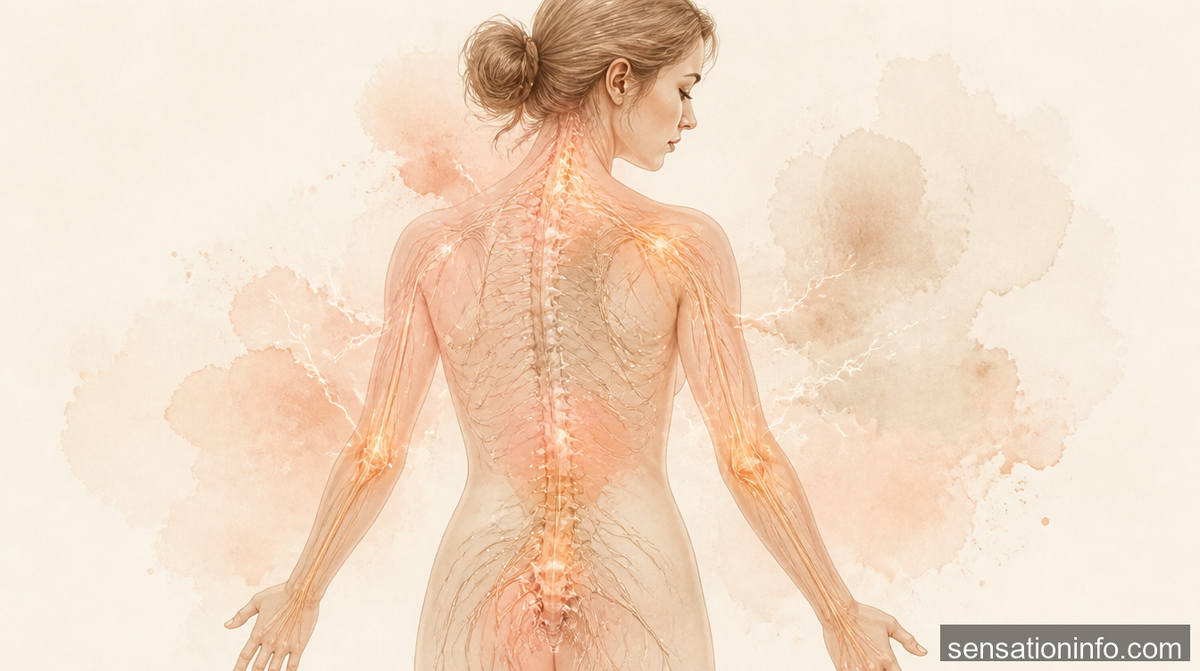
It’s essential to note that electric shock sensations can be a symptom of various medical conditions, including multiple sclerosis, peripheral neuropathy, and vitamin deficiencies. A thorough medical review is necessary to determine the underlying cause of your symptoms. As your doctor, I would recommend a comprehensive evaluation, including a physical examination, medical history, and diagnostic tests, to rule out any potential underlying conditions.
Quick-Answer Box
If you’re looking for a quick solution to alleviate your electric shock sensation, here are some immediate steps you can take:
- Stay calm: Take slow, deep breaths to calm your nervous system.
- Move around: Gentle exercise, such as stretching or yoga, can help improve blood flow and reduce symptoms.
- Apply heat or cold: Experiment with warm or cool compresses to find what works best for you.
Symptoms Checklist
To better understand your electric shock sensation, let’s review some common symptoms:
- Tingling or numbness in your hands, feet, or face
- Sharp, stabbing pains or electric shock sensations
- Muscle weakness or twitching
- Difficulty walking or maintaining balance
- Vision changes or sensitivity to light
If you’re experiencing any of these symptoms, it’s essential to consult with a medical professional to determine the underlying cause.
Causes
So, what causes electric shock sensations in the body? The answer lies in the complex world of nerve function and communication. When our nerves are damaged or irritated, they can send false signals to our brain, resulting in the sensation of electric shocks. Some common causes include:
- Nutritional deficiencies, such as vitamin B12 or magnesium deficiency
- Nerve compression or damage, often due to poor posture or repetitive strain
- Medical conditions, such as multiple sclerosis, peripheral neuropathy, or diabetes
- Medications, such as certain antibiotics or chemotherapy agents
As a medical professional, I’ve seen firsthand how these underlying causes can contribute to electric shock sensations. It’s essential to address these factors to effectively manage your symptoms.
Step-by-Step Treatment
To stop an electric shock sensation, follow these step-by-step treatment guidelines:
- Consult a doctor: Schedule an appointment with your primary care physician to rule out any underlying medical conditions.
- Keep a symptom journal: Track your symptoms, including when they occur, how long they last, and any potential triggers.
- Explore stress-reducing techniques: Engage in activities that help manage stress, such as meditation, yoga, or deep breathing exercises.
- Improve your sleep habits: Establish a consistent sleep schedule, avoid caffeine and electronics before bedtime, and create a relaxing sleep environment.
- Stay hydrated: Drink plenty of water throughout the day to help maintain healthy nerve function.
Home Remedies
In addition to medical treatment, there are several home remedies that can help alleviate electric shock sensations:
- Massage therapy: Gentle massage can help improve blood flow and reduce muscle tension.
- Acupuncture: This ancient practice involves inserting thin needles into specific points on the body to stimulate healing and relaxation.
- Herbal supplements: Certain herbs, such as ginkgo biloba or St. John’s Wort, may help reduce symptoms.
- Dietary changes: Incorporate foods rich in omega-3 fatty acids, such as salmon or walnuts, to support healthy nerve function.
Prevention Tips
To reduce your risk of experiencing electric shock sensations, follow these prevention tips:
- Maintain a healthy weight: Excess weight can put pressure on your nerves, increasing the risk of compression or damage.
- Exercise regularly: Engage in gentle exercises, such as yoga or swimming, to improve blood flow and reduce muscle tension.
- Avoid repetitive strain: Take regular breaks to stretch and move around, especially if you have a job that involves repetitive motions.
- Manage stress: Engage in stress-reducing activities, such as meditation or deep breathing exercises, to help manage stress and anxiety.
Frequently Asked Questions
Electric shock sensations can be a symptom of neuropathy, but not all cases of neuropathy involve electric shock sensations. Neuropathy refers to damage or dysfunction of the nerves, which can cause a range of symptoms, including numbness, tingling, and pain.
Yes, electric shock sensations can be a symptom of a more serious underlying condition, such as multiple sclerosis or peripheral neuropathy. It’s essential to consult with a medical professional to determine the underlying cause of your symptoms.
If you’re experiencing electric shock sensations during pregnancy, it’s essential to consult with your healthcare provider. They can help you determine the underlying cause and develop a safe treatment plan.
Yes, certain medications, such as certain antibiotics or chemotherapy agents, can cause electric shock sensations as a side effect. If you’re experiencing symptoms, consult with your healthcare provider to discuss potential alternatives.
The recovery time for electric shock sensations varies depending on the underlying cause. In some cases, symptoms may resolve on their own with time, while in other cases, treatment may be necessary to manage symptoms.
When to See a Doctor
If you’re experiencing persistent or severe electric shock sensations, it’s essential to consult with a doctor. They can help you determine the underlying cause and develop a treatment plan to manage your symptoms. Don’t hesitate to seek medical attention if you experience any of the following:
- Sudden, severe numbness or weakness in your face, arm, or leg
- Difficulty speaking or understanding speech
- Vision changes, such as double vision or loss of vision
- Severe headache or neck pain
- Trauma or injury to your head, neck, or spine
Lhermitte’s Sign Note
Lhermitte’s sign is a phenomenon characterized by electric shock sensations that occur when the neck is flexed. This can be a symptom of multiple sclerosis or other conditions affecting the spinal cord. If you’re experiencing Lhermitte’s sign, it’s essential to consult with a medical professional to determine the underlying cause.
Nerve-Calming Steps
To calm your nerves and reduce electric shock sensations, follow these steps:
- Practice relaxation techniques: Engage in activities that help manage stress, such as meditation, yoga, or deep breathing exercises.
- Get enough sleep: Establish a consistent sleep schedule and create a relaxing sleep environment.
- Stay hydrated: Drink plenty of water throughout the day to help maintain healthy nerve function.
- Exercise regularly: Engage in gentle exercises, such as yoga or swimming, to improve blood flow and reduce muscle tension.
Sources
For more information on electric shock sensations and nerve health, consult the following sources:
- National Institute of Neurological Disorders and Stroke (NINDS)
- American Academy of Neurology (AAN)
- Mayo Clinic
Final Thoughts
Electric shock sensations can be a puzzling and unsettling experience, but with the right guidance, you can take control of your symptoms. Remember to stay calm, move around, and apply heat or cold to alleviate your symptoms. By following the step-by-step treatment guidelines and home remedies outlined in this article, you can reduce your risk of experiencing electric shock sensations and improve your overall nerve health. If you’re experiencing persistent or severe symptoms, don’t hesitate to consult with a medical professional. Together, we can work towards a healthier, happier you.
As a medical professional, I’m committed to providing you with accurate, trustworthy information to help you navigate the complex world of electric shock sensations. I hope this article has been informative and helpful in your journey towards better health. Remember, your health is in your hands – take control, stay informed, and seek medical attention when necessary.
Article written by Dr Peeyush Kumawat at Sensationinfo.com