
Understanding the Issue
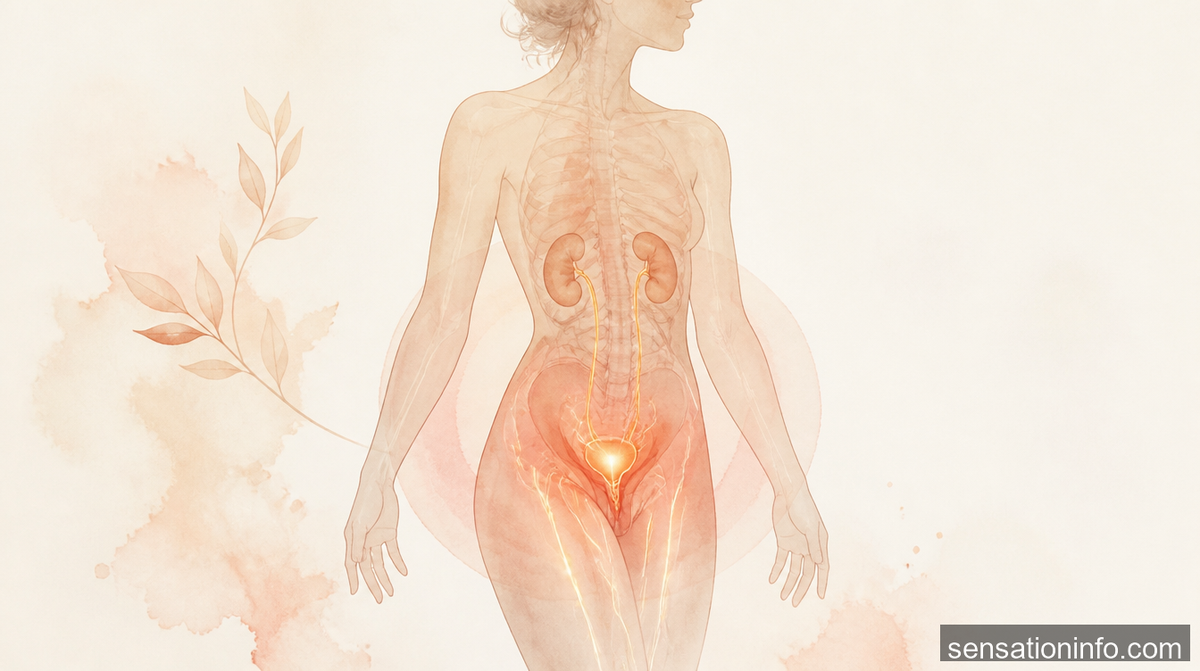
As a medical professional, I’ve encountered numerous patients complaining about a burning sensation after urinating. This symptom can be quite distressing and affect one’s quality of life. I’ve seen firsthand how it can lead to anxiety, discomfort, and a general feeling of being unwell. In this article, I’ll share my expertise on how to stop burning sensation after urinating, providing you with a comprehensive guide to help you find relief.
The burning sensation after urination is often associated with urinary tract infections (UTIs), but it can also be caused by other factors such as kidney stones, bladder irritants, or even certain medications. It’s essential to identify the underlying cause to develop an effective treatment plan. I always recommend that my patients keep a journal to track their symptoms, including when they occur, how long they last, and any factors that seem to trigger or relieve them.
In my experience, patients who experience a burning sensation after urinating often report feeling a sudden, sharp pain or discomfort while urinating, which can be accompanied by other symptoms such as frequent urination, cloudy or strong-smelling urine, or pelvic pain. It’s crucial to seek medical attention if you’re experiencing any of these symptoms, as they can be a sign of an underlying infection or condition that requires prompt treatment.
As I work with my patients to address this issue, I always emphasize the importance of practicing good hygiene, staying hydrated, and avoiding irritants that can exacerbate the burning sensation. By making a few simple lifestyle changes and seeking medical attention when needed, you can find relief from this uncomfortable symptom and improve your overall urinary health.
Identifying the Causes
To develop an effective plan to stop the burning sensation after urinating, it’s essential to identify the underlying cause. As I mentioned earlier, UTIs are a common cause of this symptom, but other factors can also contribute. For instance, kidney stones can cause a burning sensation when they pass through the urinary tract, while certain medications like antibiotics or diuretics can irritate the bladder and urethra.
In some cases, the burning sensation may be caused by an underlying condition such as interstitial cystitis, a chronic condition characterized by bladder pain and inflammation. I’ve worked with patients who have this condition, and it’s essential to develop a comprehensive treatment plan that addresses the underlying causes of the burning sensation.
As a medical professional, I always recommend that my patients undergo a thorough medical evaluation to determine the underlying cause of their symptoms. This may include a physical exam, urine tests, and imaging studies to rule out any underlying conditions that may be contributing to the burning sensation.
Lifestyle Changes to Alleviate Symptoms
While medical treatment is often necessary to address the underlying cause of the burning sensation, there are several lifestyle changes that can help alleviate symptoms. I always recommend that my patients practice good hygiene, such as wiping from front to back after using the bathroom and avoiding the use of scented soaps or bubble baths.
Staying hydrated is also essential, as it can help to flush out bacteria and other irritants from the urinary tract. I recommend that my patients drink at least eight glasses of water per day, and avoid sugary drinks or caffeine that can irritate the bladder.
Avoiding irritants such as spicy foods, tobacco, and certain medications can also help to alleviate symptoms. I’ve worked with patients who have found relief by making dietary changes, such as avoiding citrus fruits or tomatoes, which can irritate the bladder.
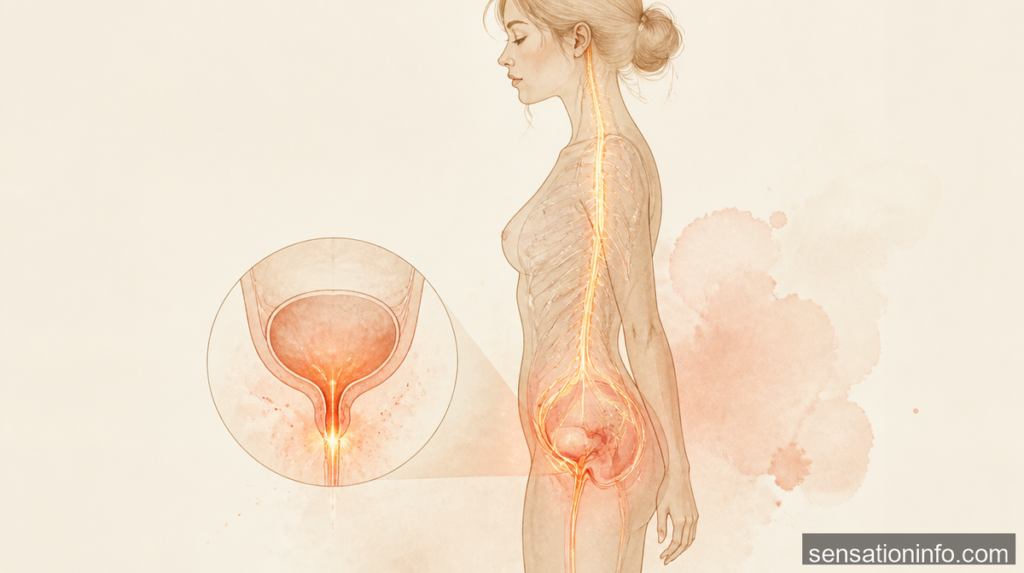
In addition to these lifestyle changes, I also recommend that my patients consider using a heating pad or warm compress to help soothe the area and reduce discomfort. Over-the-counter pain relievers such as ibuprofen or acetaminophen can also help to alleviate symptoms, but it’s essential to talk to your doctor before taking any medication.
Medical Treatment Options
In some cases, medical treatment may be necessary to address the underlying cause of the burning sensation. As a medical professional, I always recommend that my patients seek medical attention if they’re experiencing symptoms such as frequent urination, cloudy or strong-smelling urine, or pelvic pain.
Antibiotics are often prescribed to treat UTIs, while medications such as phenazopyridine can help to alleviate symptoms such as burning and discomfort. In some cases, surgery may be necessary to remove kidney stones or address other underlying conditions.
I’ve worked with patients who have undergone surgery to address underlying conditions, and it’s essential to follow a comprehensive treatment plan to ensure a full recovery. This may include taking medication as directed, attending follow-up appointments, and making lifestyle changes to prevent future occurrences.
Home Remedies for Burning Sensation
In addition to medical treatment and lifestyle changes, there are several home remedies that can help to alleviate symptoms. I always recommend that my patients try drinking cranberry juice, which can help to prevent UTIs by preventing bacteria from adhering to the bladder and urinary tract walls.
Urinary alkalizers such as baking soda can also help to reduce acidity in the urine, which can contribute to the burning sensation. I’ve worked with patients who have found relief by taking a warm bath with Epsom salt, which can help to soothe the area and reduce discomfort.
Aloe vera gel can also be applied topically to help soothe the area and reduce inflammation. I always recommend that my patients talk to their doctor before trying any home remedies, as they can interact with other medications or worsen underlying conditions.
Preventing Future Occurrences
To prevent future occurrences of the burning sensation, it’s essential to practice good hygiene, stay hydrated, and avoid irritants. I always recommend that my patients wipe from front to back after using the bathroom, avoid the use of scented soaps or bubble baths, and wear loose-fitting clothing to reduce moisture and prevent bacterial growth.
Urinating when you feel the need to, rather than holding it in, can also help to prevent UTIs and reduce the risk of kidney stones. I’ve worked with patients who have found relief by making dietary changes, such as avoiding citrus fruits or tomatoes, which can irritate the bladder.
In addition to these lifestyle changes, I also recommend that my patients consider taking a probiotic supplement to help support the health of their urinary tract. I’ve seen firsthand how probiotics can help to prevent UTIs and reduce the risk of kidney stones.
Frequently Asked Questions
The most common causes of a burning sensation after urinating include UTIs, kidney stones, and bladder irritants. In some cases, the burning sensation may be caused by an underlying condition such as interstitial cystitis.
To prevent UTIs and reduce the risk of kidney stones, it’s essential to practice good hygiene, stay hydrated, and avoid irritants. I always recommend that my patients wipe from front to back after using the bathroom, avoid the use of scented soaps or bubble baths, and wear loose-fitting clothing to reduce moisture and prevent bacterial growth.
Some home remedies that can help to alleviate symptoms include drinking cranberry juice, taking a warm bath with Epsom salt, and applying aloe vera gel topically. I always recommend that my patients talk to their doctor before trying any home remedies, as they can interact with other medications or worsen underlying conditions.
The recovery time from a UTI can vary depending on the severity of the infection and the effectiveness of treatment. I always recommend that my patients take their medication as directed and attend follow-up appointments to ensure a full recovery.
Yes, over-the-counter pain relievers such as ibuprofen or acetaminophen can help to alleviate symptoms such as burning and discomfort. However, it’s essential to talk to your doctor before taking any medication, as they can interact with other medications or worsen underlying conditions.
Final Thoughts
As a medical professional, I understand how distressing a burning sensation after urinating can be. However, with the right treatment and lifestyle changes, it’s possible to find relief and prevent future occurrences. I always recommend that my patients practice good hygiene, stay hydrated, and avoid irritants to reduce the risk of UTIs and kidney stones.
If you’re experiencing a burning sensation after urinating, I encourage you to seek medical attention to determine the underlying cause and develop an effective treatment plan. By making a few simple lifestyle changes and seeking medical attention when needed, you can find relief from this uncomfortable symptom and improve your overall urinary health.
In conclusion, a burning sensation after urinating is a common symptom that can be caused by a variety of factors. By understanding the underlying causes, making lifestyle changes, and seeking medical attention when needed, you can find relief and prevent future occurrences. As a medical professional, I’m committed to helping my patients achieve optimal urinary health, and I hope that this article has provided you with the information and guidance you need to take control of your symptoms and improve your overall well-being.
Article written by Dr Peeyush Kumawat at Sensationinfo.com