
Introduction to a Common Yet Concerning Symptom
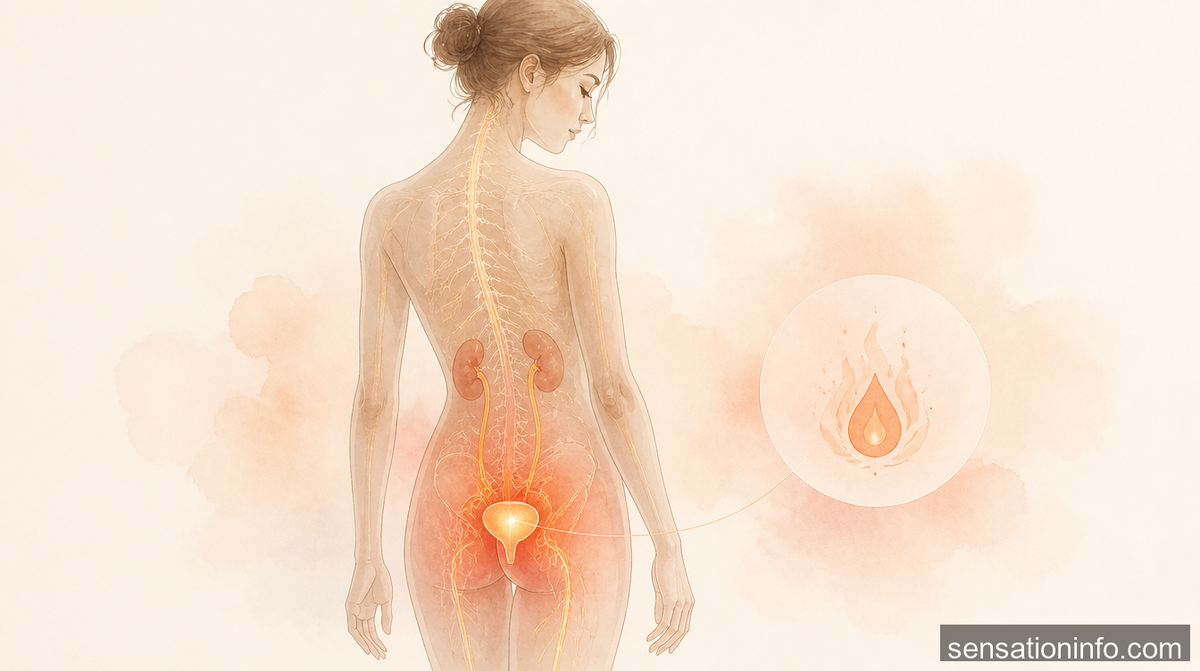
I still remember the look of concern on my patient’s face when she described the burning sensation she experienced every time she peed. It was as if the relief of emptying her bladder was overshadowed by a searing pain that seemed to linger. As a medical professional, I’ve encountered numerous cases like this, where what should be a simple, natural process turns into a source of distress. The burning sensation when peeing is more common than you might think, and it’s essential to understand its causes and how to find relief.
As I reflect on my years of practice, I’ve seen how this symptom can affect anyone, regardless of age or gender. It’s a symptom that can be both a cause and a consequence of various health issues, some of which may be underlying and not immediately apparent. In this article, I aim to guide you through the possible reasons behind this discomforting sensation and offer practical advice on how to manage it.
The first step in addressing any health concern is acknowledging it and seeking to understand it. The burning sensation when peeing can be described as a sharp, stinging, or burning feeling that occurs when urinating. It’s a symptom that shouldn’t be ignored, as it can significantly impact one’s quality of life. From the anxiety of anticipating pain with each bathroom visit to the potential disturbance in sleep patterns due to frequent nocturnal awakenings for bathroom trips, this symptom can permeate many aspects of daily life.
Understanding the Possible Causes
To effectively tackle the burning sensation when peeing, it’s crucial to identify its root cause. As a medical professional, I’ve found that this symptom can stem from a variety of factors, ranging from infections to more complex health conditions. Here are some of the most common causes:
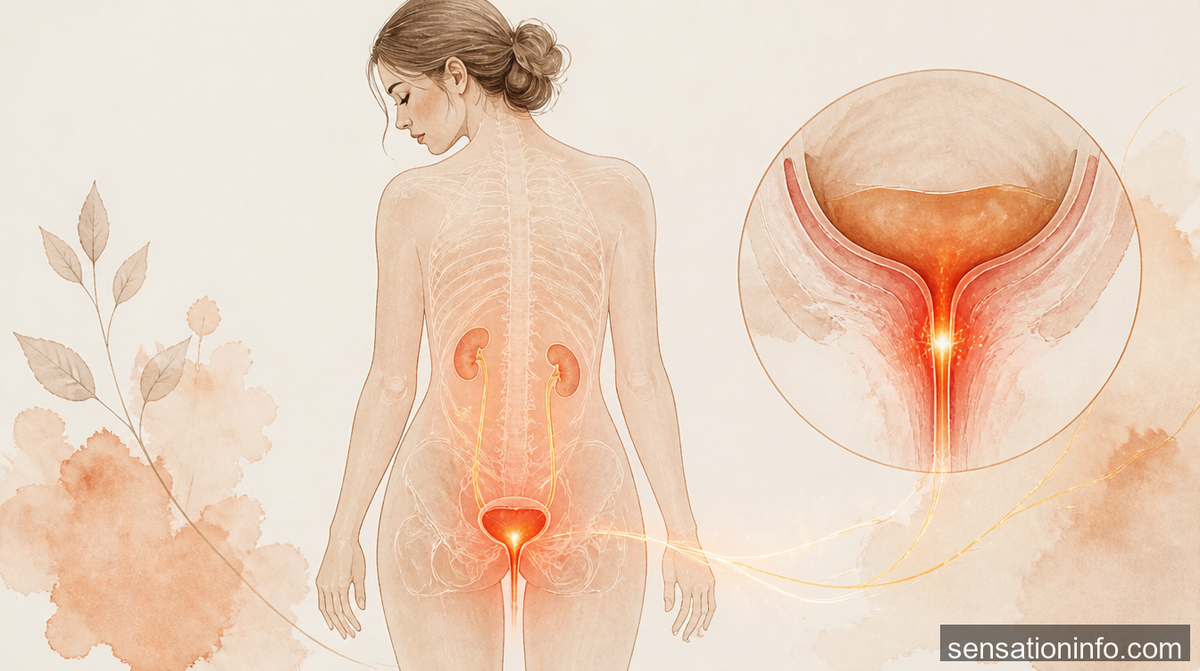
- Urinary Tract Infections (UTIs): These are perhaps the most common reason for a burning sensation when peeing. UTIs occur when bacteria enter the urinary system, causing infection and inflammation. Women are more prone to UTIs due to their shorter urethra, which facilitates the entry of bacteria into the bladder.
- Sexually Transmitted Infections (STIs): Certain STIs, like chlamydia and gonorrhea, can cause a burning sensation during urination. It’s essential to practice safe sex and get tested regularly to prevent and diagnose these infections early.
- Kidney Stones: Although the primary symptom of kidney stones is severe pain in the side or back, some individuals may experience a burning sensation when peeing, especially if the stone is causing an obstruction or infection in the urinary tract.
- Prostatitis: In men, an inflamed prostate gland can cause a burning sensation during urination, among other symptoms like pelvic pain and difficulty starting urination.
- Interstitial Cystitis: This is a chronic condition causing bladder pressure, bladder pain, and sometimes a burning sensation while urinating. The exact cause of interstitial cystitis is unknown, but it’s believed to involve a combination of factors, including bladder lining defects, immune system problems, and possible links to other chronic pain syndromes.
Approaches to Diagnosis
Diagnosing the cause of a burning sensation when peeing typically involves a combination of medical history, physical examination, and diagnostic tests. As a healthcare provider, my approach would include:
- Detailed Medical History: Understanding the onset, duration, and characteristics of the symptom, as well as any factors that relieve or exacerbate it, is crucial.
- Physical Examination: A thorough examination can help identify any abnormalities or signs of infection.
- Urine Tests: These can include urinalysis to check for the presence of blood, bacteria, or other signs of infection, and urine culture to identify the specific bacteria causing a UTI.
- Imaging Tests: In some cases, imaging tests like ultrasound or CT scans may be necessary to rule out stones or other obstructions in the urinary tract.
Finding Relief and Prevention Strategies
While addressing the underlying cause is essential, there are several steps you can take to find relief from a burning sensation when peeing:
- Stay Hydrated: Drinking plenty of water helps to dilute your urine, which can make urination less painful.
- Urinate When Needed: Avoid holding your urine for too long, as this can exacerbate the discomfort.
- Practice Good Hygiene: Wipe from front to back after using the bathroom to prevent bacteria from entering the urethra.
- Avoid Irritating Foods and Drinks: Some foods and beverages, such as spicy foods, carbonated drinks, and caffeine, can irritate the bladder and worsen symptoms.
- Consider Warm Baths: Soaking in a warm bath may help relieve discomfort and reduce the burning sensation.
Frequently Asked Questions
If you’re experiencing a burning sensation when peeing, the first step is to contact your healthcare provider. They can guide you on the best course of action, which may include scheduling an appointment for a check-up and potentially starting a course of antibiotics if an infection is suspected.
Yes, in some cases, a burning sensation when peeing can be a sign of a more serious underlying condition. It’s essential to seek medical attention to determine the cause and receive appropriate treatment.
Preventing UTIs involves practicing good hygiene, staying hydrated, urinating when needed, and avoiding certain foods and drinks that can irritate the bladder. For women, wiping from front to back after using the bathroom and urinating after sex can also help prevent UTIs.
Yes, there are several home remedies that can provide relief, including drinking plenty of water, applying a heating pad to the lower abdomen, and avoiding irritants like spicy foods and caffeine. However, it’s crucial to consult with a healthcare provider to ensure that these remedies are appropriate for your specific condition.
The recovery time from a UTI can vary depending on the severity of the infection and how promptly treatment is started. Typically, symptoms can begin to improve within a few days of starting antibiotics, but it’s essential to complete the full course of medication as prescribed by your healthcare provider to ensure the infection is fully cleared.
Final Thoughts
As I conclude this discussion on the burning sensation when peeing, I want to emphasize the importance of seeking medical attention if you’re experiencing this symptom. Whether it’s a common UTI or a sign of something more complex, addressing the root cause is key to finding relief and preventing future occurrences. By understanding the possible causes, approaches to diagnosis, and strategies for relief, you’re empowered to take the first steps towards a healthier, more comfortable you.
In my practice, I’ve seen how proactive measures and open communication with healthcare providers can make a significant difference in managing symptoms and improving quality of life. Remember, your health is a journey, and it’s okay to ask for help along the way. If you’re experiencing a burning sensation when peeing, don’t hesitate to reach out to your healthcare provider. Together, you can work towards finding the cause and the best treatment plan for you.
As you move forward, keep in mind that prevention and awareness are your strongest allies. By staying informed, maintaining good hygiene practices, and being mindful of your body’s signals, you can reduce the risk of experiencing a burning sensation when peeing and enjoy better overall health. Remember, it’s always better to be proactive about your health, and seeking help is a sign of strength, not weakness.
Article written by Dr Peeyush Kumawat at Sensationinfo.com