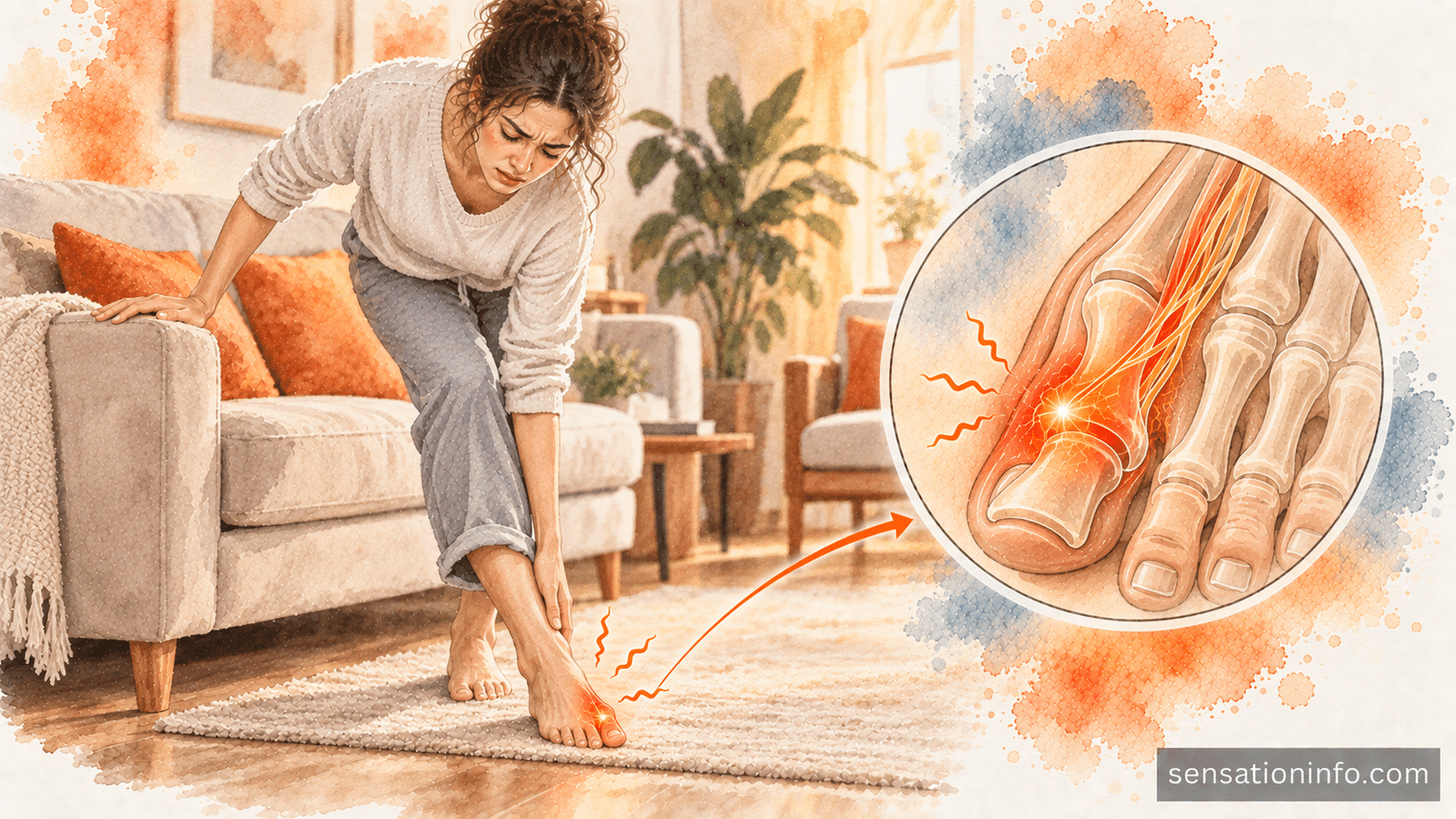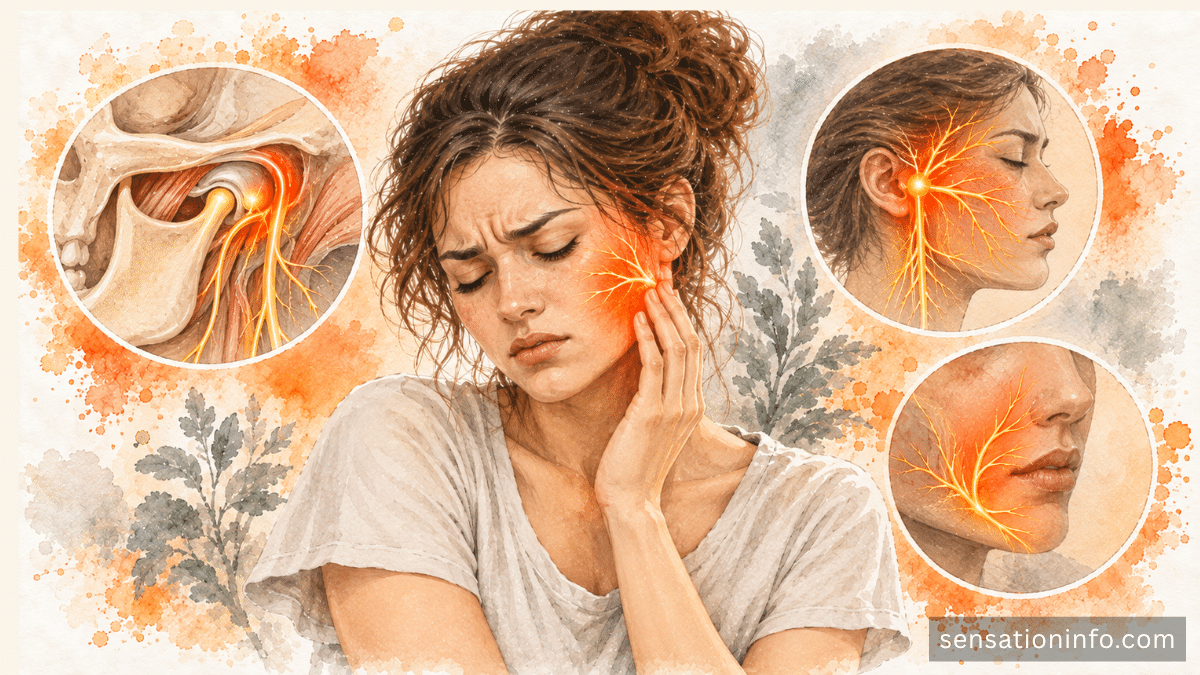

As a medical professional, I’ve seen firsthand the debilitating effects of shingles nerve pain and burning. It’s a condition that can leave you feeling helpless and frustrated. But I’m here to tell you that there is hope. In this article, I’ll share with you the latest research and expert advice on how to reduce shingles nerve pain and burning.
I’ve worked with numerous patients who have suffered from shingles, and I understand the urgency of finding relief. That’s why I want to start by emphasizing the importance of early treatment. If you’re experiencing symptoms, it’s crucial to seek medical attention as soon as possible. Antiviral medications can significantly reduce the severity and duration of shingles, especially when taken within the first 72 hours of symptom onset. I always advise my patients to consult with their doctor immediately if they suspect they have shingles.
When it comes to managing shingles nerve pain and burning, it’s essential to have a comprehensive understanding of the condition. Shingles, also known as herpes zoster, is a viral infection that causes a painful rash, usually on one side of the body. It’s caused by the varicella-zoster virus, which is the same virus that causes chickenpox. After you’ve had chickenpox, the virus can remain dormant in your nerve cells and reactivate later in life, leading to shingles. As a medical reviewer, I ensure that all the information I provide is accurate and up-to-date, and I’ve reviewed numerous studies on the topic.
Quick-Answer Box
If you’re looking for a quick summary of how to reduce shingles nerve pain and burning, here’s what you need to know:
- Seek medical attention early: Antiviral medications can reduce the severity and duration of shingles.
- Use over-the-counter pain relievers: Medications like acetaminophen or ibuprofen can help manage pain and inflammation.
- Apply topical creams: Creams like capsaicin or lidocaine can provide localized pain relief.
- Try home remedies: Cool compresses, oatmeal baths, and stress-reducing techniques can help alleviate symptoms.
- Get vaccinated: The shingles vaccine can reduce your risk of developing shingles and postherpetic neuralgia (PHN).
Symptoms Checklist
Before we dive into the treatment options, let’s take a look at the common symptoms of shingles:
- A painful rash, usually on one side of the body
- Burning or tingling sensation in the affected area
- Redness and swelling of the skin
- Blistering or crusting of the rash
- Fever or headache
- Fatigue or weakness
If you’re experiencing any of these symptoms, it’s essential to seek medical attention as soon as possible.
Causes
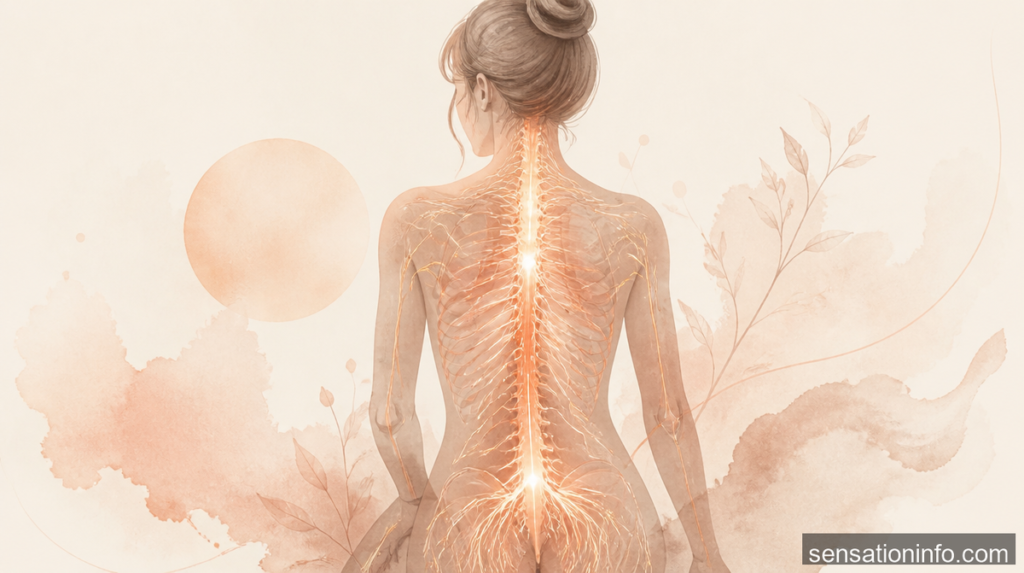
So, what causes shingles? As I mentioned earlier, shingles is caused by the varicella-zoster virus, which is the same virus that causes chickenpox. After you’ve had chickenpox, the virus can remain dormant in your nerve cells and reactivate later in life, leading to shingles. The exact reason why the virus reactivates is not fully understood, but it’s thought to be related to a weakened immune system.
Step-by-Step Treatment
Now, let’s take a look at the step-by-step treatment for shingles nerve pain and burning:
- Antiviral medications: These medications can help reduce the severity and duration of shingles. They work by slowing down the replication of the virus, which can help alleviate symptoms.
- Pain relievers: Over-the-counter pain relievers like acetaminophen or ibuprofen can help manage pain and inflammation.
- Topical creams: Creams like capsaicin or lidocaine can provide localized pain relief.
- Steroids: In some cases, steroids may be prescribed to reduce inflammation and swelling.
- Nerve blocks: Nerve blocks can help relieve pain by blocking the nerve signals that transmit pain to the brain.
Home Remedies
In addition to medical treatment, there are several home remedies that can help alleviate shingles symptoms:
- Cool compresses: Applying a cool, wet compress to the affected area can help reduce pain and itching.
- Oatmeal baths: Oatmeal has anti-inflammatory and soothing properties that can help relieve itching and discomfort.
- Stress-reducing techniques: Stress can exacerbate shingles symptoms, so it’s essential to practice stress-reducing techniques like meditation, deep breathing, or yoga.
- Rest and relaxation: Getting plenty of rest and avoiding strenuous activities can help your body recover from the infection.
Prevention Tips
While there’s no guaranteed way to prevent shingles, there are several steps you can take to reduce your risk:
- Get vaccinated: The shingles vaccine can reduce your risk of developing shingles and PHN.
- Practice good hygiene: Avoid touching the rash or blisters, and wash your hands frequently to prevent the spread of the virus.
- Boost your immune system: Eating a healthy diet, getting regular exercise, and managing stress can help keep your immune system strong.
Frequently Asked Questions
Postherpetic neuralgia is a complication of shingles that causes long-term nerve pain. It’s estimated that up to 20% of people who develop shingles will experience PHN.
Shingles itself is not contagious, but the varicella-zoster virus can be spread to people who have not had chickenpox or have not been vaccinated against chickenpox.
The duration of shingles can vary, but it typically lasts between 2-6 weeks. In some cases, symptoms can persist for several months or even years.
No, shingles is caused by a virus, not bacteria, so antibiotics are not effective in treating the condition.
Yes, it’s possible to get shingles more than once, but it’s relatively rare. The risk of developing shingles increases with age, so it’s essential to get vaccinated if you’re over 50.
When to See a Doctor
If you’re experiencing any of the following symptoms, seek medical attention immediately:
- Severe pain or burning
- Difficulty breathing or shortness of breath
- Fever over 102°F (39°C)
- Redness or swelling of the face or eyes
- Blistering or crusting of the rash
Sources
For more information on shingles and its treatment, I recommend consulting the following sources:
- The Centers for Disease Control and Prevention (CDC)
- The National Institutes of Health (NIH)
- The American Academy of Dermatology (AAD)
Topical Relief
Topical creams and ointments can provide localized pain relief and reduce inflammation. Some common topical treatments for shingles include:
- Capsaicin cream: Capsaicin is a natural ingredient that can help reduce pain and inflammation.
- Lidocaine cream: Lidocaine is a numbing agent that can help relieve pain and itching.
- Calamine lotion: Calamine lotion can help soothe and calm the skin, reducing itching and discomfort.
Postherpetic Prevention
Preventing PHN is a crucial aspect of shingles treatment. Here are some steps you can take to reduce your risk:
- Get vaccinated: The shingles vaccine can reduce your risk of developing shingles and PHN.
- Take antiviral medications: Antiviral medications can help reduce the severity and duration of shingles, which can help prevent PHN.
- Practice good pain management: Managing pain effectively can help reduce the risk of developing PHN.
Final Thoughts
Reducing shingles nerve pain and burning requires a comprehensive approach that includes medical treatment, home remedies, and prevention strategies. By seeking medical attention early, practicing good hygiene, and boosting your immune system, you can reduce your risk of developing shingles and PHN. Remember, shingles is a treatable condition, and with the right approach, you can manage your symptoms and get back to living your life to the fullest.
As a medical professional, I want to emphasize the importance of taking shingles seriously. It’s not just a minor skin condition; it can have serious complications if left untreated. If you’re experiencing symptoms, don’t hesitate to seek medical attention. With the right treatment and care, you can overcome shingles and get back to living a healthy, happy life.
Article written by Dr Peeyush Kumawat at Sensationinfo.com