Understanding the Tingling Sensation
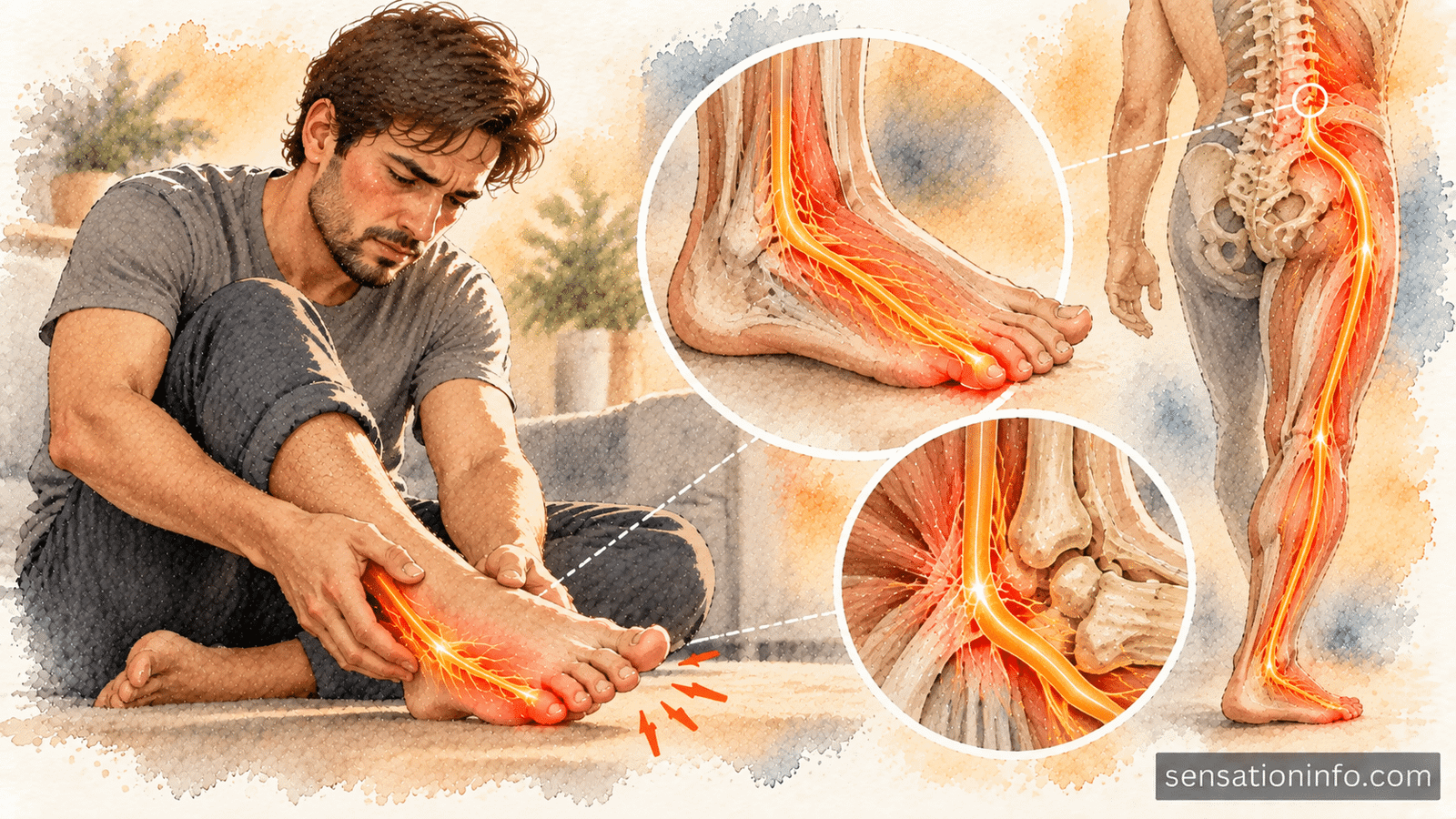
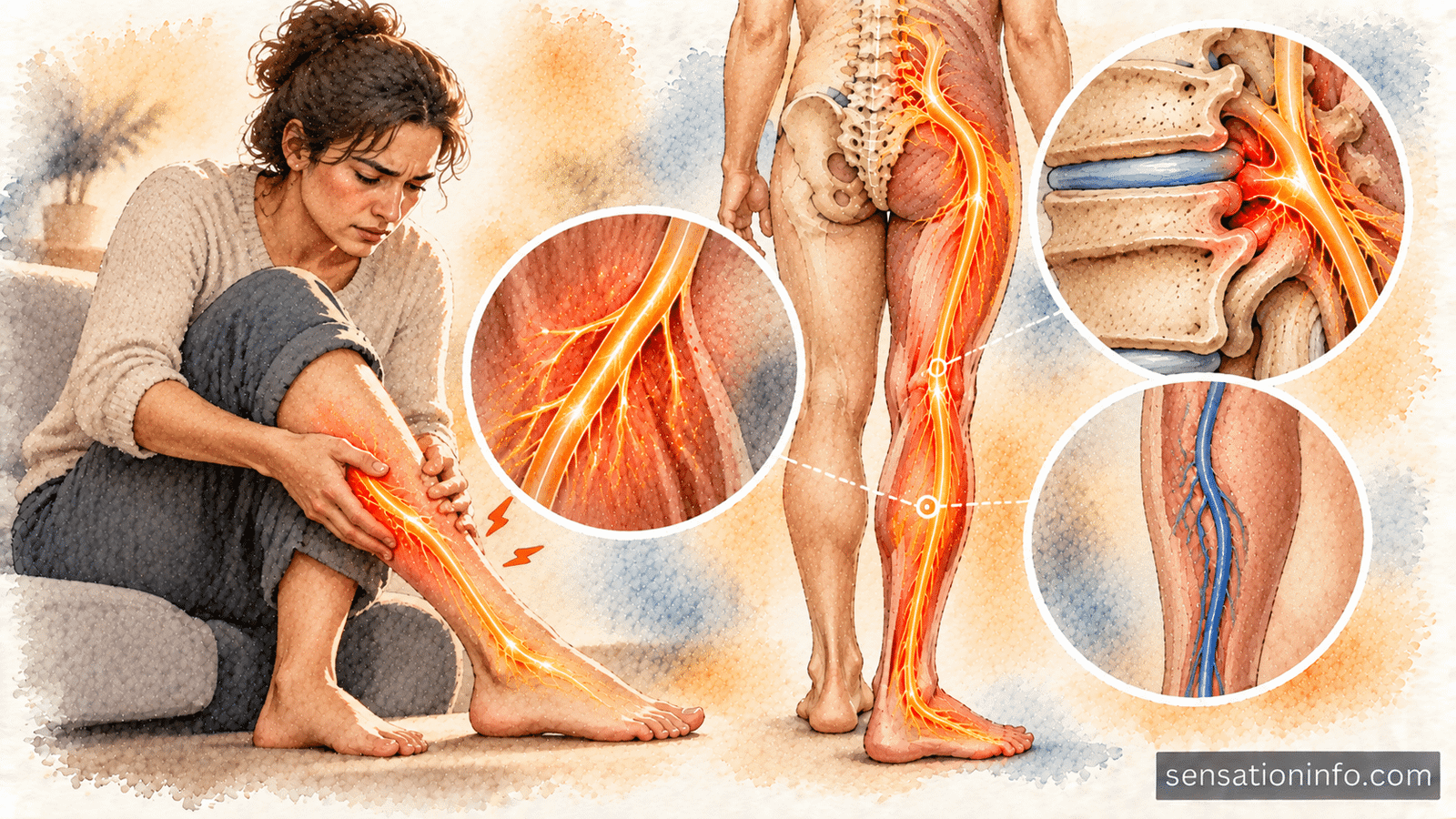
As a medical professional, I’ve encountered numerous patients complaining of a tingling sensation in their head. This phenomenon can be alarming, especially when it’s severe or persistent. I want to reassure you that, in most cases, a tingling sensation in the head is not a cause for concern. However, it’s essential to understand the potential causes and take steps to alleviate the discomfort. In this article, I’ll guide you through relaxation steps, medical reviews, and home remedies to help you stop the tingling sensation in your head.
Relaxation Steps to Calm the Tingling
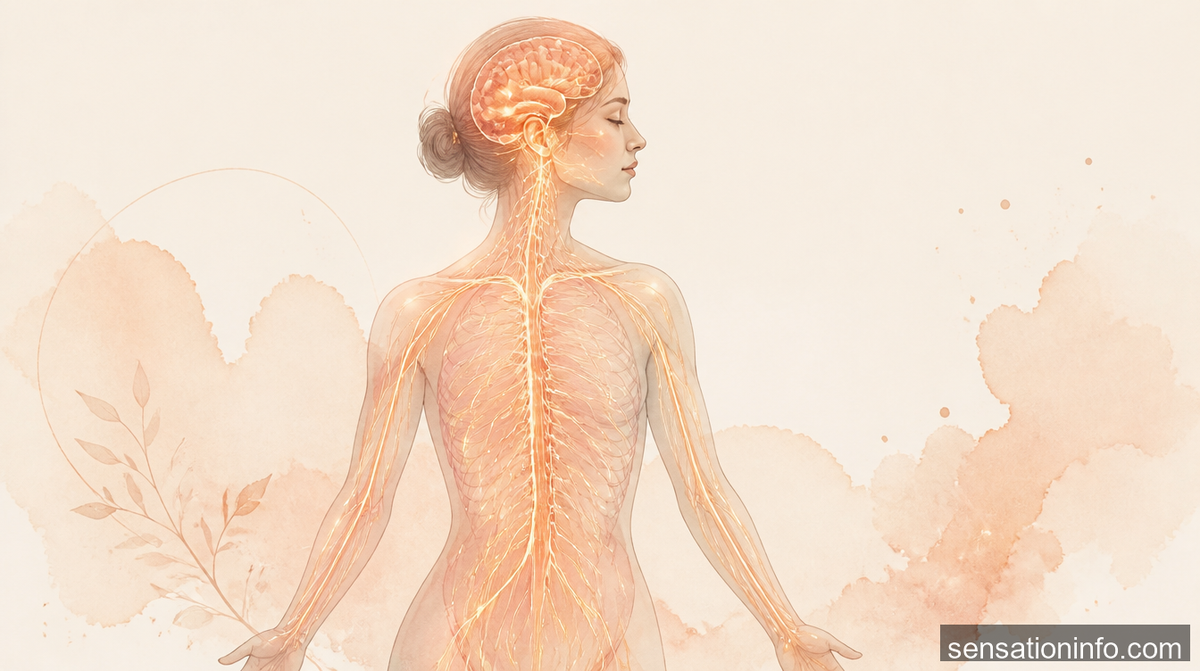
When I experience stress or anxiety, I often notice a tingling sensation in my head. This is because stress can cause muscle tension, leading to restricted blood flow and nerve irritation. To calm the tingling, I recommend starting with relaxation techniques. Deep breathing exercises, progressive muscle relaxation, and mindfulness meditation can help reduce stress and alleviate the tingling sensation. I also suggest engaging in physical activities like yoga or tai chi, which can help improve blood flow and reduce muscle tension.
Medical Review Note
As a doctor, I always emphasize the importance of consulting a medical professional if you’re experiencing persistent or severe tingling sensations. While tingling can be a harmless symptom, it can also be a sign of an underlying medical condition, such as multiple sclerosis, peripheral neuropathy, or a migraine. If you’re experiencing tingling sensations, I recommend scheduling a medical review to rule out any underlying conditions. Your doctor may perform a physical examination, take a medical history, and order diagnostic tests to determine the cause of the tingling.
Quick-Answer Box
If you’re looking for a quick solution to stop the tingling sensation in your head, here’s a summary:
- Stay hydrated by drinking plenty of water
- Avoid triggers like caffeine, nicotine, and certain medications
- Practice relaxation techniques like deep breathing and meditation
- Apply a warm or cold compress to the affected area
- Consider over-the-counter pain relievers like acetaminophen or ibuprofen
Symptoms Checklist
Before we dive into the causes and treatment options, let’s review the common symptoms associated with a tingling sensation in the head:
- Numbness or pins-and-needles sensation
- Burning or itching sensation
- Muscle weakness or spasms
- Dizziness or lightheadedness
- Headaches or migraines
If you’re experiencing any of these symptoms, it’s essential to consult a medical professional to determine the underlying cause.
Causes of Tingling Sensation in the Head
As a medical expert, I’ve identified several potential causes of a tingling sensation in the head, including:
- Poor posture, leading to nerve compression
- Scalp conditions like eczema or psoriasis
- Medication side effects, such as from antidepressants or blood pressure medications
- Nutritional deficiencies, like vitamin B12 or magnesium deficiency
- Migraines or other headache disorders
- Anxiety or stress, leading to muscle tension and nerve irritation
Step-by-Step Treatment
To stop the tingling sensation in your head, follow these steps:
- Stay hydrated: Drink plenty of water to prevent dehydration, which can exacerbate the tingling sensation.
- Avoid triggers: Identify and avoid triggers like caffeine, nicotine, and certain medications that can worsen the tingling.
- Practice relaxation techniques: Engage in deep breathing exercises, progressive muscle relaxation, or mindfulness meditation to reduce stress and alleviate the tingling.
- Apply heat or cold: Apply a warm or cold compress to the affected area to reduce muscle tension and improve blood flow.
- Consider pain relievers: Take over-the-counter pain relievers like acetaminophen or ibuprofen to alleviate headaches or migraines.
Home Remedies for Tingling Sensation
In addition to the step-by-step treatment, I recommend trying the following home remedies:
- Herbal supplements: Consider taking herbal supplements like ginger, turmeric, or feverfew, which have anti-inflammatory properties and may help alleviate the tingling sensation.
- Essential oils: Apply essential oils like peppermint, eucalyptus, or lavender to the affected area, as they may help reduce muscle tension and improve blood flow.
- Dietary changes: Make dietary changes to ensure you’re getting adequate nutrients, such as vitamin B12, magnesium, and omega-3 fatty acids.
Prevention Tips
To prevent the tingling sensation in your head, follow these tips:
- Maintain good posture: Practice good posture to reduce nerve compression and alleviate muscle tension.
- Take regular breaks: Take regular breaks to stretch and move around, especially if you have a job that involves sitting for long periods.
- Manage stress: Engage in stress-reducing activities like yoga, meditation, or deep breathing exercises to reduce muscle tension and alleviate the tingling sensation.
Frequently Asked Questions
The common causes of a tingling sensation in the head include poor posture, scalp conditions, medication side effects, nutritional deficiencies, migraines, and anxiety or stress.
Yes, in some cases, a tingling sensation in the head can be a sign of an underlying medical condition, such as multiple sclerosis, peripheral neuropathy, or a migraine. It’s essential to consult a medical professional to determine the cause of the tingling.
To prevent the tingling sensation in your head, maintain good posture, take regular breaks, manage stress, and engage in relaxation techniques like deep breathing exercises or meditation.
Yes, you can use over-the-counter pain relievers like acetaminophen or ibuprofen to alleviate headaches or migraines that may be contributing to the tingling sensation. However, it’s essential to consult a medical professional before taking any medication.
Yes, there are several natural remedies that can help alleviate the tingling sensation, including herbal supplements like ginger or turmeric, essential oils like peppermint or lavender, and dietary changes to ensure adequate nutrient intake.
When to See a Doctor
If you’re experiencing any of the following symptoms, it’s essential to consult a medical professional:
- Severe or persistent tingling sensation
- Numbness or weakness in the face, arm, or leg
- Difficulty speaking or swallowing
- Dizziness or loss of balance
- Headache or migraine that worsens over time
Sources
For more information on the causes and treatment options for a tingling sensation in the head, I recommend consulting the following sources:
- National Institutes of Health (NIH)
- American Academy of Neurology (AAN)
- Mayo Clinic
Posture and Scalp Care
Maintaining good posture and practicing scalp care can help alleviate the tingling sensation in your head.
Final Thoughts
In conclusion, a tingling sensation in the head can be a harmless symptom, but it can also be a sign of an underlying medical condition. By following the relaxation steps, medical review note, and home remedies outlined in this article, you can alleviate the tingling sensation and prevent future episodes. Remember to consult a medical professional if you’re experiencing severe or persistent symptoms, and don’t hesitate to reach out to me if you have any further questions or concerns.
As a final recommendation, I encourage you to prioritize your overall health and wellbeing by maintaining a balanced diet, staying hydrated, and engaging in regular physical activity. By taking proactive steps to manage your health, you can reduce the risk of developing conditions that may contribute to a tingling sensation in your head.
Article written by Dr Peeyush Kumawat at Sensationinfo.com