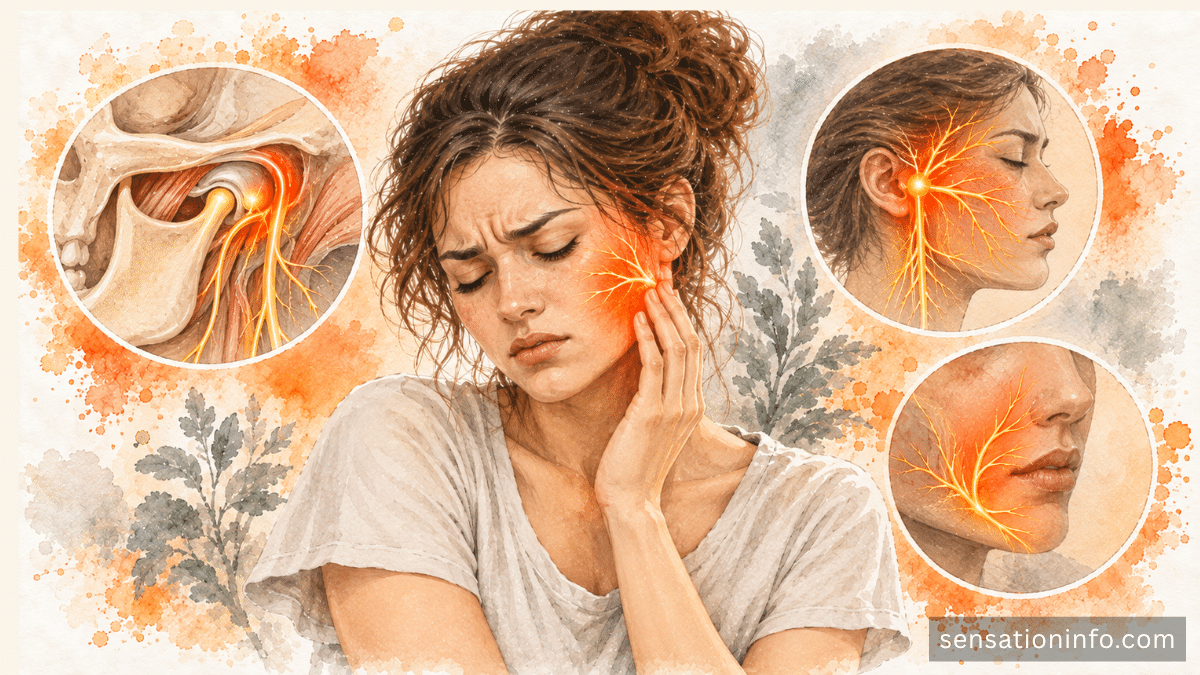

Introduction to Facial Numbness
As a medical professional, I’ve encountered numerous patients experiencing numbness in their face, which can be a distressing and unsettling symptom. In this article, I’ll guide you through the process of treating facial numbness at home, while also emphasizing the importance of seeking medical attention if you suspect a serious underlying condition.
I recall a patient who visited my clinic with complaints of numbness in her cheek and lips. After conducting a thorough medical review, we were able to rule out any life-threatening conditions and develop an effective treatment plan. However, it’s crucial to approach facial numbness with caution, as it can be a symptom of an underlying condition that requires prompt medical attention.
Red Flag: Rule Out Stroke
Before we dive into the treatment and home remedies, I must stress the importance of ruling out a stroke. If you’re experiencing numbness in your face, especially if it’s accompanied by weakness, paralysis, or other neurological symptoms, seek medical help immediately. A stroke is a medical emergency that requires prompt attention, and delayed treatment can lead to severe consequences.

Medical Review Note
If you’re experiencing persistent or recurring numbness in your face, it’s essential to consult with a medical professional for a thorough evaluation. A medical review will help identify any underlying conditions that may be contributing to your symptoms. As a doctor, I always recommend a comprehensive medical review to ensure that we’re addressing the root cause of the problem.
Quick-Answer Box
If you’re looking for a quick solution to treat facial numbness at home, here’s a brief summary:
- Apply warm compresses to the affected area
- Massage the area gently to improve blood flow
- Try relaxation techniques, such as deep breathing or meditation, to reduce stress
- Keep the affected area clean and dry to prevent infection
Symptoms Checklist
To better understand your condition, let’s go through a symptoms checklist:
- Numbness or tingling sensation in the face
- Weakness or paralysis in the facial muscles
- Pain or discomfort in the face or head
- Difficulty speaking or swallowing
- Vision changes or double vision
- Dizziness or loss of balance
If you’re experiencing any of these symptoms, it’s essential to seek medical attention promptly.

Causes of Facial Numbness
Facial numbness can be caused by a variety of factors, including:
- Trauma or injury to the face or head
- Infections, such as Lyme disease or shingles
- Neuropathy or nerve damage
- Dental problems, such as a tooth abscess or gum infection
- Bell’s palsy, a condition that causes temporary facial paralysis
- Multiple sclerosis, a chronic condition that affects the central nervous system
Step-by-Step Treatment
To treat facial numbness at home, follow these steps:
- Apply warm compresses: Soak a cloth in warm water, wring it out, and apply it to the affected area for 10-15 minutes. Repeat this process several times a day.
- Massage the area: Gently massage the affected area with your fingertips in a circular motion. This can help improve blood flow and reduce numbness.
- Practice relaxation techniques: Stress and anxiety can exacerbate facial numbness. Try relaxation techniques, such as deep breathing, meditation, or yoga, to reduce stress and promote relaxation.
- Keep the area clean and dry: Keep the affected area clean and dry to prevent infection. Avoid touching the area excessively, and wash your hands frequently.
Home Remedies for Facial Numbness
In addition to the step-by-step treatment, here are some home remedies that may help alleviate facial numbness:
- Turmeric: Turmeric contains curcumin, a powerful anti-inflammatory compound that can help reduce swelling and numbness. Mix 1 teaspoon of turmeric powder with warm water to create a paste, and apply it to the affected area.
- Ginger: Ginger has natural anti-inflammatory properties that can help reduce pain and numbness. You can consume ginger tea or apply ginger paste to the affected area.
- Essential oils: Certain essential oils, such as peppermint or eucalyptus, can help improve blood flow and reduce numbness. Mix a few drops of essential oil with a carrier oil, such as coconut or olive oil, and apply it to the affected area.
Prevention Tips
To prevent facial numbness, follow these tips:
- Practice good oral hygiene: Regularly brush and floss your teeth to prevent dental problems.
- Wear protective gear: Wear protective gear, such as a helmet or mask, when engaging in activities that may cause trauma or injury to the face or head.
- Manage stress: Engage in stress-reducing activities, such as meditation or yoga, to promote relaxation and reduce anxiety.
- Stay hydrated: Drink plenty of water to stay hydrated and promote healthy blood flow.
Frequently Asked Questions
Facial numbness can cause a range of symptoms, including numbness, tingling, weakness, or paralysis in the face. You may also experience pain or discomfort in the face or head, difficulty speaking or swallowing, or vision changes.
The duration of facial numbness depends on the underlying cause. In some cases, facial numbness may be temporary and resolve on its own, while in other cases, it may be a chronic condition that requires ongoing treatment.
Yes, facial numbness can be a symptom of a serious condition, such as a stroke or multiple sclerosis. If you’re experiencing persistent or recurring numbness in your face, it’s essential to seek medical attention promptly.
To prevent facial numbness, practice good oral hygiene, wear protective gear, manage stress, and stay hydrated. Regular exercise and a balanced diet can also help promote healthy blood flow and reduce the risk of facial numbness.
Treatment options for facial numbness depend on the underlying cause. In some cases, treatment may involve medication, physical therapy, or surgery. In other cases, treatment may involve lifestyle changes, such as managing stress or practicing good oral hygiene.
When to See a Doctor
If you’re experiencing any of the following symptoms, seek medical attention promptly:
- Sudden or severe numbness in the face
- Weakness or paralysis in the facial muscles
- Pain or discomfort in the face or head
- Difficulty speaking or swallowing
- Vision changes or double vision
- Dizziness or loss of balance
Sources
- American Academy of Neurology. (2020). Facial Numbness.
- National Institute of Neurological Disorders and Stroke. (2020). Bell’s Palsy.
- Mayo Clinic. (2020). Facial numbness: Symptoms and causes.
Bell’s Palsy Care
If you’re diagnosed with Bell’s palsy, it’s essential to follow a comprehensive treatment plan to promote recovery. This may involve medication, physical therapy, or lifestyle changes. As a doctor, I recommend seeking medical attention promptly if you suspect you have Bell’s palsy.
Dental Causes of Facial Numbness
Dental problems, such as a tooth abscess or gum infection, can cause facial numbness. If you’re experiencing numbness in your face, it’s essential to visit your dentist to rule out any underlying dental conditions.
In conclusion, facial numbness can be a distressing and unsettling symptom, but with the right treatment and home remedies, you can alleviate your symptoms and promote recovery. Remember to always seek medical attention promptly if you suspect a serious underlying condition, and to follow a comprehensive treatment plan to ensure the best possible outcome. By taking a proactive approach to your health, you can reduce the risk of facial numbness and promote overall well-being.
As a final note, I want to emphasize the importance of seeking medical attention if you’re experiencing persistent or recurring numbness in your face. With the right diagnosis and treatment, you can regain control over your symptoms and improve your quality of life. Don’t hesitate to reach out to a medical professional if you have any concerns or questions – your health is worth it.
—
Article written by Dr Peeyush Kumawat at Sensationinfo.com