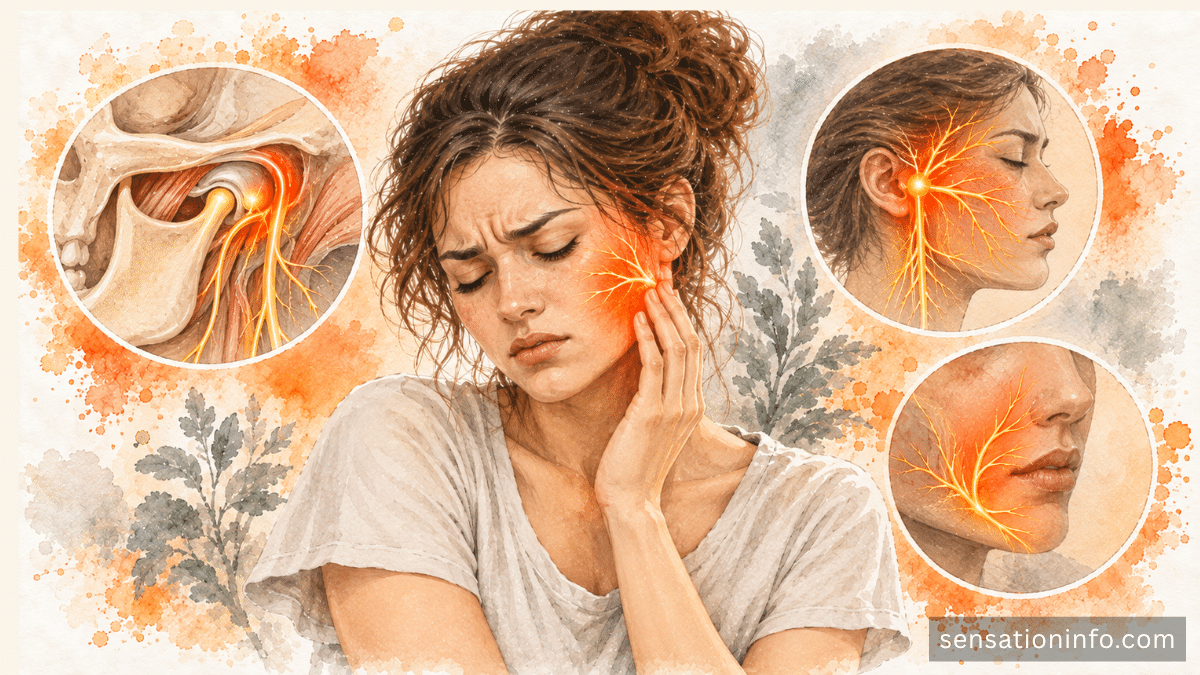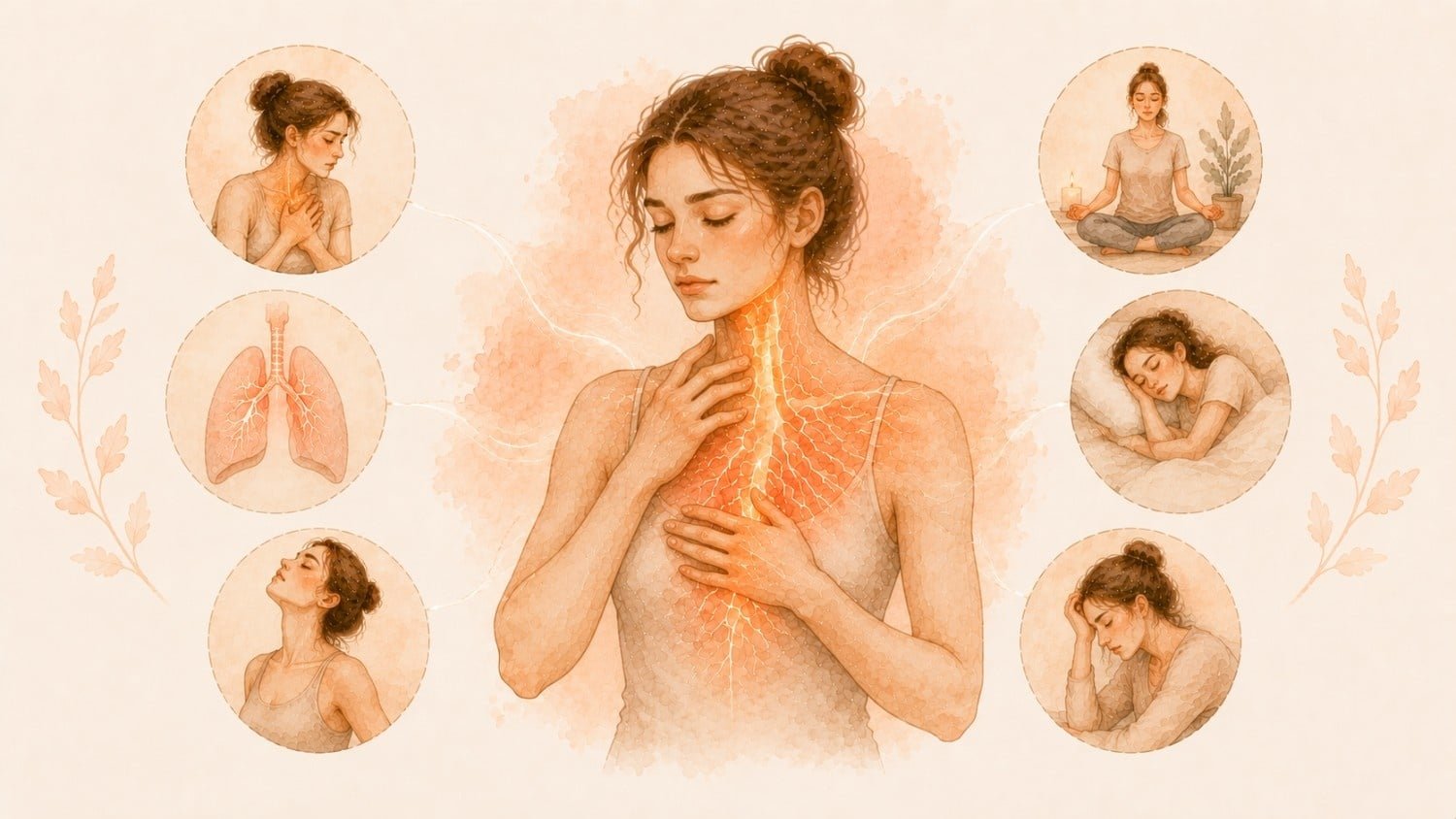

Have you ever felt your chest and throat tighten at the same time, almost like an invisible hand was reminding you to breathe properly? I have, and the first time it happened, I genuinely thought I was about to faint mid-conversation. Spoiler, I didn’t. But the sensation was real, confusing, and oddly persistent.
A tightness in chest and throat is one of those symptoms that immediately makes people worry. It feels intense, it shows up suddenly, and it’s hard to ignore. In this article, I’ll walk you through what causes it, why anxiety is often involved, and how to tell when something more serious might be at play. Everything I share here is based on credible medical sources like the Mayo Clinic, Cleveland Clinic, the American Heart Association, and the NHS.
What a Tightness in Chest and Throat Really Means
A tightness sensation is a feeling of pressure, squeezing, or constriction in the chest and throat. It can range from mild discomfort to an intense gripping feeling that makes you stop and pay attention.
Most cases are linked to anxiety, muscle tension, or acid reflux. But some can be related to cardiac, respiratory, or neurological issues. Understanding which is which makes a big difference in how you respond.
Why Chest and Throat Often Tighten Together
This part doesn’t get talked about enough. The chest and throat share many nerves, muscles, and even psychological responses. When the body feels stressed, both areas tighten almost simultaneously.
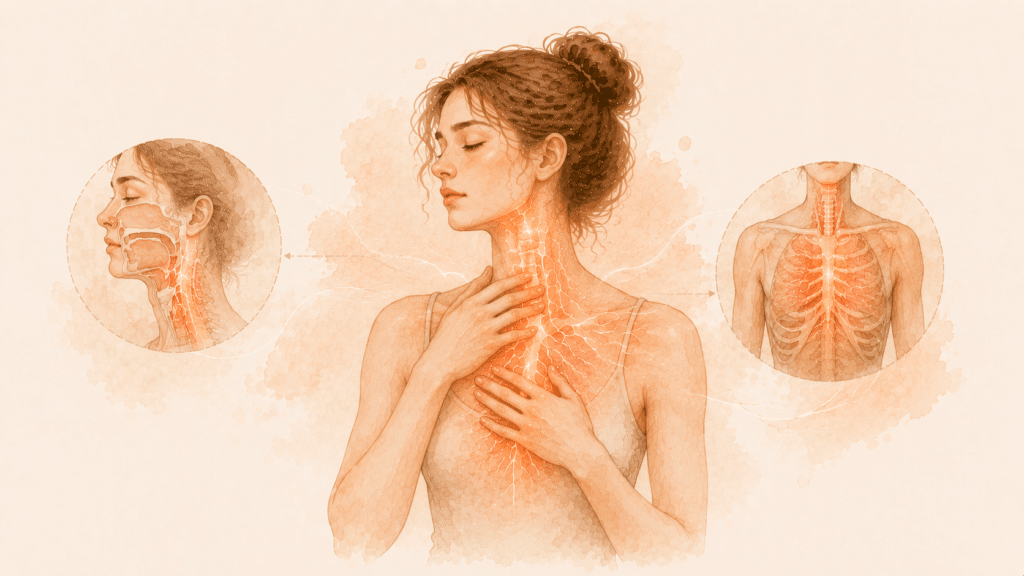
I’ve personally noticed that during stressful weeks, my throat feels narrower and my chest feels heavier, often at the same time. The body doesn’t separate emotion from physiology, especially in this area.
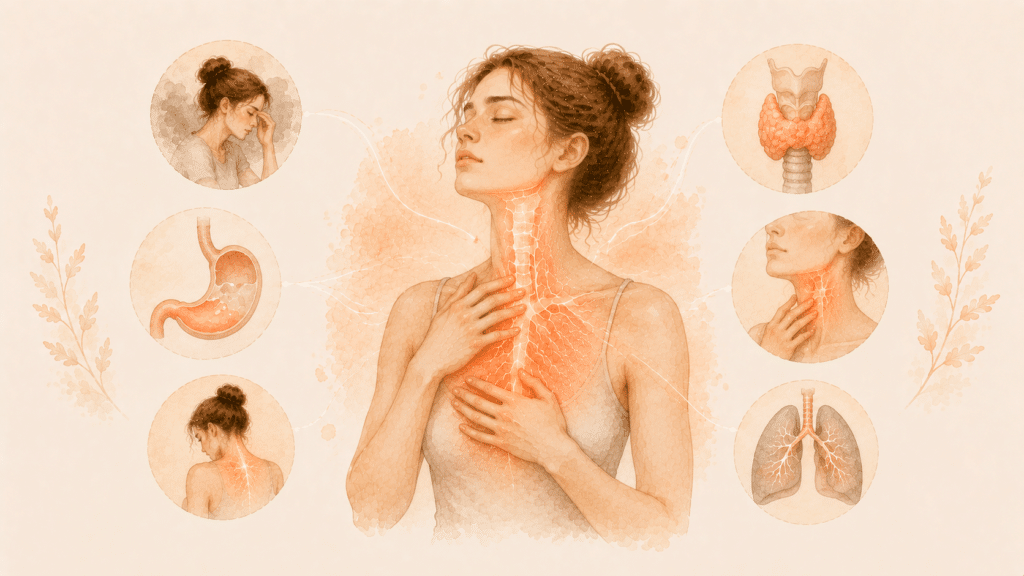
Common Causes of Tightness in Chest and Throat
Let me walk you through the most common reasons behind chest and throat tightness, both from real-world experience and trusted medical sources.
Anxiety and Panic Attacks
This is by far the most common cause. When anxiety triggers the body’s fight-or-flight response, breathing becomes shallow, muscles tense up, and the chest and throat tighten as a result.
The American Psychological Association recognises chest tightness and throat constriction as core symptoms of anxiety and panic attacks. Some people describe it as a “lump in the throat” feeling, medically called globus sensation.
I’ve personally experienced this during high-stress weeks. Once I calmed my breathing, the tightness eased quickly.
Acid Reflux and GERD
Gastro-oesophageal reflux disease can cause tightness in the chest and throat, especially after meals, lying down, or eating spicy or fatty foods. The Cleveland Clinic confirms that GERD often mimics anxiety or cardiac symptoms.
If your tightness comes with a burning feeling, sour taste in the mouth, or worsens after eating, GERD might be the cause.
Muscle Tension in the Chest and Neck
Tight muscles in the neck, shoulders, and chest can cause both areas to feel constricted. This happens often after poor sleep, long screen time, or carrying heavy bags.
I’ve personally noticed that days when my posture is poor, my chest feels tight by evening. Tiny adjustments make a real difference.
Asthma and Respiratory Issues
Asthma can cause tightness in the chest and a feeling of throat narrowing, especially during attacks. The NHS recognises this as a common symptom, often paired with wheezing or coughing.
If your tightness is triggered by allergens, exercise, or cold air, asthma may be involved.
Cardiac Causes
This is the cause people fear most, and rightly so. Cardiac issues like angina or heart attack can cause tightness in the chest and sometimes the throat.
The American Heart Association lists chest pressure or tightness, shortness of breath, sweating, jaw or arm discomfort, and dizziness as cardiac red flags. If symptoms appear suddenly with physical exertion, treat them as urgent.
Allergic Reactions
Severe allergic reactions, especially anaphylaxis, can cause throat tightness and chest constriction. These episodes are emergencies and need immediate care.
If tightness appears after eating new foods, taking medication, or being stung by an insect, get medical help fast.
Thyroid Issues
An enlarged thyroid (goitre) can cause throat tightness, especially during swallowing. Hyperthyroidism may also cause chest tightness due to increased heart activity.
A simple blood test and ultrasound can confirm thyroid involvement.
Hyperventilation
Fast, shallow breathing causes carbon dioxide imbalance, which produces tightness, lightheadedness, and a sensation of throat constriction. This is extremely common during anxiety episodes.
Stress-Related Globus Sensation
This is a real condition where the throat feels constricted or like there’s a lump, even though nothing is physically there. The Mayo Clinic recognises it as a stress-induced symptom that often improves with relaxation.
Costochondritis
Inflammation of the cartilage that connects the ribs to the breastbone can cause chest tightness, especially when breathing deeply. It often mimics cardiac issues but is muscular.
Anxiety vs Heart Issue: How to Tell the Difference
This is one of the most searched comparisons, and for good reason. Here’s how doctors usually distinguish them.
Anxiety-related tightness tends to:
- Appear with racing thoughts or panic
- Improve with slow breathing
- Move around the chest or throat
- Last for minutes to hours
- Feel uncomfortable but rarely “crushing”
Cardiac-related tightness tends to:
- Appear suddenly and feel heavy or crushing
- Worsen with physical exertion
- Come with sweating, nausea, dizziness, or jaw or arm pain
- Last longer or get more intense
The American Heart Association strongly advises that when in doubt, treat chest tightness as cardiac until proven otherwise. Better safe than sorry.
Why Breathing Techniques Help More Than People Realise
Breathing techniques can transform tightness in the chest and throat, especially during anxiety. The key is slowing down the breath and balancing carbon dioxide levels.
Box breathing is one of the most effective methods. Inhale for 4 seconds, hold for 4, exhale for 4, hold for 4. Repeat several rounds. The American Lung Association supports this method as a way to ease nervous system tension.
Diaphragmatic breathing also helps. Place a hand on your belly, breathe slowly, and let your belly rise instead of your chest. This activates the calming side of the nervous system.
I personally use these techniques whenever my throat tightens unexpectedly. Within minutes, the tension drops significantly.
When Tightness in Chest and Throat Is an Emergency
Most cases of chest and throat tightness are mild, but some are urgent. Please call emergency services immediately if you experience:
- Severe chest pressure or pain
- Tightness radiating to the arm, jaw, neck, or back
- Sudden shortness of breath
- Sweating, nausea, or dizziness
- Difficulty swallowing or breathing
- Sudden swelling of the face, tongue, or throat
- Pain lasting more than a few minutes
Cardiac events and severe allergic reactions are time-sensitive. Acting fast can save lives.
How Doctors Diagnose Chest and Throat Tightness
When I finally had mine evaluated, the process was thorough. Diagnosing chest tightness isn’t guesswork.
A standard workup often includes an ECG, blood tests for cardiac markers, and sometimes a chest X-ray. If GERD is suspected, doctors may order an endoscopy. For thyroid issues, blood tests and ultrasound are used.
For anxiety-related causes, doctors assess symptoms, stress patterns, and overall mental health. The right diagnosis prevents months of guesswork and often saves lives.
Treatment Options That Truly Help
Treatment depends entirely on the cause, but here’s what generally works in real-world cases.
Stress and Anxiety Management
For anxiety-related tightness, slow breathing, mindfulness, regular exercise, and therapy reduce nervous system tension. CBT is highly effective for chronic anxiety.
I personally found that just 10 minutes of deep breathing daily reduced my random tightness episodes drastically.
Treating GERD
Doctors often prescribe proton pump inhibitors like omeprazole or pantoprazole for chronic acid reflux. Antacids like Tums or Gaviscon provide short-term relief. Brands like Pepcid (famotidine) also help.
Lifestyle adjustments like avoiding spicy foods, eating smaller meals, and not lying down right after eating make a real difference.
Asthma Management
If asthma is involved, inhalers like Ventolin or Symbicort help open the airways. Avoiding triggers like dust, allergens, and pollutants is key.
Cardiac Care When Needed
If cardiac causes are diagnosed, treatment depends on severity. Medications, lifestyle changes, or procedures may be required. Always follow your cardiologist’s advice closely.
Treating Thyroid Issues
Medications, dietary support, or surgery may be needed depending on the diagnosis. A blood test confirms the cause quickly.
Physical Therapy
A skilled physiotherapist can help with chest and neck tension, posture corrections, and breathing exercises.
Allergy Management
For allergy-related tightness, antihistamines, EpiPens, and avoiding triggers are essential. Severe allergies need immediate medical attention.
Lifestyle Changes
Healthy sleep, balanced meals, reducing caffeine and alcohol, and stress management improve symptoms across nearly all causes.

Simple Habits That Reduce Tightness
A few small habits genuinely help. Stretching the chest and neck daily, practising deep breathing, avoiding heavy meals before bed, sleeping well, and staying hydrated all reduce tension over time.
I’ve personally noticed that the more I prioritise rest and slow movement, the less my body produces these tightness episodes.
Frequently Asked Questions
Yes. Anxiety is one of the most common causes. It tightens muscles, increases hyperventilation, and creates a real sense of pressure.
It usually lasts minutes to hours. Slow breathing and grounding techniques help ease the symptoms.
No. Most cases are due to anxiety, GERD, muscle tension, or asthma. Cardiac causes are serious but less common.
Yes, if symptoms are frequent, severe, or paired with breathlessness, sweating, dizziness, or swallowing issues.
Sudden severe chest pressure, pain radiating to the arm or jaw, breathlessness, or sudden swelling are emergencies. Call for medical help immediately.
Final Thoughts
A tightness sensation in the chest and throat is uncomfortable, but it’s almost always understandable once you find the right cause. From anxiety and GERD to muscle tension and cardiac issues, the causes are varied, and the urgency depends on the pattern.
If your chest and throat keep tightening in unfamiliar ways, don’t ignore it and don’t panic either. Track the symptoms, fix the basics, and consult a qualified doctor when needed. Your body talks every day. The kindest thing you can do is listen carefully and respond with care.